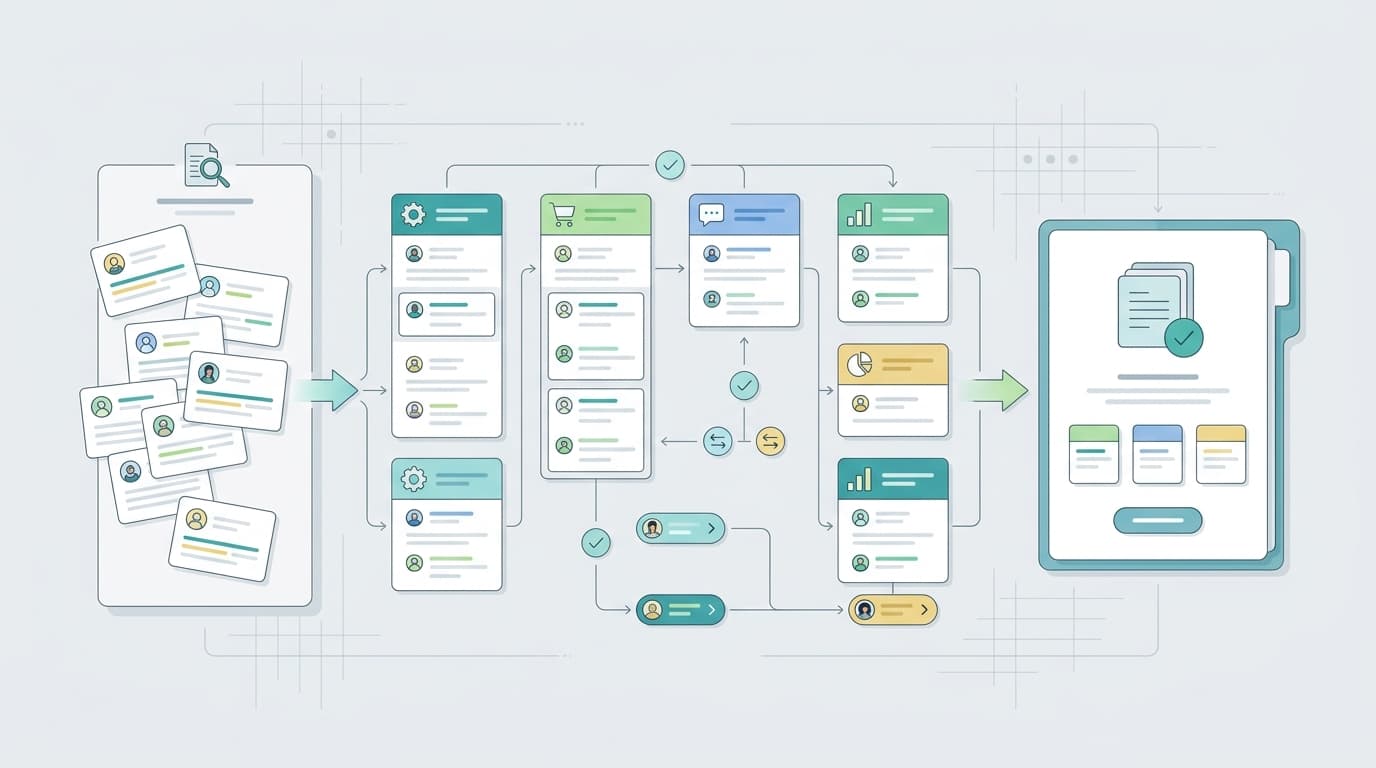
Sentiment analysis for Amazon reviews is the process of classifying review language as positive, negative, neutral, or mixed so sellers can understand buyer emotion at scale. This matters because Amazon sellers often have many signals but limited time to turn them into product, listing, and support decisions.
Quick Definition
Field | Meaning |
Term | Sentiment Analysis for Amazon Reviews |
Plain-English meaning | Sentiment analysis for Amazon reviews is the process of classifying review language as positive, negative, neutral, or mixed so sellers can understand buyer emotion at scale. |
Used by | Amazon sellers, brand managers, product teams, and ecommerce analysts |
Main seller decision | Prioritize product, listing, and support actions based on buyer emotion and evidence. |
Related metrics | sentiment label, rating mix, theme frequency, review recency, negative-theme velocity |
Why Sentiment Analysis for Amazon Reviews Matters
Amazon reviews are one of the clearest places where buyers explain what happened after purchase. Star ratings show the outcome, but review text explains the reason.
Amazon says customer reviews and star ratings help shoppers make more informed purchase decisions and find common themes in product feedback: Amazon on customer reviews and star ratings.
Sellers can use the same feedback to improve their own products and listings. Sentiment analysis helps answer practical questions: What do buyers praise most often? What complaints keep appearing in negative reviews? Are recent reviews getting worse, or is one old issue still shaping the rating? Are complaints tied to product quality, packaging, sizing, instructions, or listing expectations? Do competitor reviews reveal problems your product can avoid?
A negative review only becomes useful when you know what caused the frustration. A positive review becomes more valuable when you know which benefit customers keep repeating.
How Sentiment Analysis for Amazon Reviews Works
1. Start With the Review Text
The review text explains what the star rating cannot. A three-star review might be mild disappointment, serious frustration, or a buyer who liked the product but expected something different.
Read the words buyers use. Look for repeated phrases, emotional language, and details tied to product use.
2. Keep Ratings and Dates Attached
Do not analyze review text without the rating and date. Recent negative reviews usually deserve more attention than old complaints about a product version you already fixed.
Amazon notes that star ratings are not a simple average and that recency and verified purchase signals can affect how ratings are understood: Amazon on star ratings.
For sellers, this means timing matters. A complaint that appeared last week is different from a complaint that appeared once two years ago.
3. Group Reviews by Theme
Sentiment labels tell you how buyers feel. Themes tell you what they are reacting to.
Common Amazon review themes include packaging damage, sizing confusion, battery life, missing parts, unclear instructions, material quality, delivery issues, value for money, ease of use, durability, customer support, and listing expectation gaps.
For review-heavy workflows, sellers can connect this step to Amazon review analysis so decisions stay grounded in buyer language rather than assumptions.
4. Separate Product Problems From Listing Problems
Not every negative review means the product is bad. Some reviews point to real product defects. Others show that the listing did not explain size, compatibility, quantity, color, or use cases clearly enough.
For example, “broke after two uses” may be a product quality issue, while “smaller than I thought” may be a listing image or dimension issue. “Does not fit my model” may point to missing compatibility details, and “works well but instructions are confusing” may be a support or product-insert issue.
This distinction matters because the owner changes. Product teams fix defects. Listing teams fix expectations. Support teams fix instructions. Brand teams watch repeated complaints.
5. Compare Your Reviews With Competitor Reviews
Sentiment analysis becomes more useful when you compare your product with competitors.
If your reviews complain about packaging but competitors get praised for packaging, that is a product experience gap. If competitors get repeated complaints about setup while your product is easier to use, that can become a listing or advertising angle.
VOC AI’scompetitor analysis features are relevant here because competitor sentiment is rarely obvious from star ratings alone.
Example: How a Seller Might Use Sentiment Analysis
Imagine a seller sells a kitchen accessory.
Positive reviews often mention easy cleaning, neat drawer fit, sturdy material, and space-saving design. Negative reviews often mention a loose handle, smaller-than-expected size, scratches on arrival, or unclear instructions.
A basic sentiment tool may label the first group positive and the second group negative. That helps, but it does not tell the seller what to do.
A better analysis separates the issues: the loose handle may be a product issue, the size complaint may be a listing issue, scratches on arrival may point to packaging, unclear instructions may be a support issue, and easy cleaning may be a marketing opportunity.
Now the seller has clearer next steps. The product team can inspect the handle. The listing team can add better size visuals. The support team can improve instructions. The marketing team can highlight benefits buyers already mention naturally.
Common Mistakes
Treating Sentiment as the Final Answer
A sentiment label is a shortcut, not a conclusion. “Negative” tells you the tone. It does not tell you whether the issue is quality, sizing, shipping, instructions, or expectation mismatch.
Ignoring the Review Text Behind the Label
Review language matters. Buyers often use words that can improve listing copy, product positioning, and support content. If you only look at charts, you may miss the exact phrases customers use.
Mixing Old and Recent Reviews
Old reviews can be useful, but they should not be mixed blindly with recent feedback. A product may have changed. A supplier may have changed. A listing may have been rewritten.
Using Sentiment to Manipulate Reviews
Sentiment analysis should help sellers improve products, listings, and support. It should not be used to manipulate reviews orselectively pressure customers. If review insights affect marketing claims or testimonials, review the FTC’s guidance on endorsements and reviews: FTC guidance on endorsements and reviews.
How VOC AI Helps
VOC AI helps Amazon sellers organize review themes, sentiment, buyer language, and competitor gaps so teams can decide what to fix, test, or rewrite next.
It is especially useful when sellers have too many reviews to read manually and need to understand patterns across ASINs or competitors.
For example, a product team can use VOC AI to find repeated quality complaints, while a listing team can use buyer language to improve product pages. A brand team can compare sentiment across ASINs, a competitor research team can study where rival products disappoint buyers, and a support team can find repeated setup or usage questions.
For broader customer feedback work, VOC AI’s customer analytics page is a useful next step. For listing updates based on
review language, VOC AI’s AI listing tool may also be relevant.
VOC AI should not be treated as a replacement for Amazon’s official seller review tools. Amazon’s Customer Reviews tool is
still the right place for eligible sellers who need Amazon-native review workflows.
The simple way to think about it is this: Amazon tools help sellers manage official review workflows; VOC AI helps sellers understand customer voice and turn review language into practical decisions.
When Should Sellers Review Sentiment?
Sellers do not need to check sentiment every day for every ASIN. Focus on moments when feedback is likely to change or when a decision depends on customer language.
Review sentiment after a product launch, listing rewrite, supplier or packaging change, sudden rating drop, spike in negative reviews, major competitor move, seasonal demand shift, new variation release, or customer support issue.
For important ASINs, a monthly review is a good baseline. For high volume launches or products with recent rating problems, weekly review may be better.
Amazon’s Product Opportunity Explorer can also be useful when sellers need Amazon_native product and customer demand signals.
FAQ
What is sentiment analysis for Amazon reviews?
Sentiment analysis for Amazon reviews is the process of classifying review language as positive, negative, neutral, or mixed so sellers can understand buyer emotion at scale. For sellers, the useful part is connecting those labels to themes, ratings,
dates, and actions.
Why does sentiment analysis for Amazon reviews matter for Amazon sellers?
It helps sellers understand what buyers praise, what they complain about, and whether issues are isolated or repeated. This
can guide product fixes, listing updates, support content, and competitor research.
What data do sellers need for Amazon review sentiment analysis?
Useful inputs include review text, star ratings, review dates, product variation, marketplace, verified\purchase status when
available, review themes, competitor reviews, listing copy, and customer questions.
Can star ratings replace sentiment analysis?
No. Star ratings are useful, but they do not explain why buyers feel the way they do. A four\star review may still include a
serious complaint, and a three-star review may include useful praise.
How often should sellers review Amazon review sentiment?
Review sentiment after launches, listing changes, review spikes, rating drops, supplier changes, and major product updates. For important ASINs, review sentiment at least monthly. For products with active issues, review it weekly.
Can VOC AI help with sentiment analysis for Amazon reviews?
Yes. VOC AI can help sellers organize customer review language, sentiment themes, competitor gaps, and buyer phrases into clearer product, listing, and support decisions.