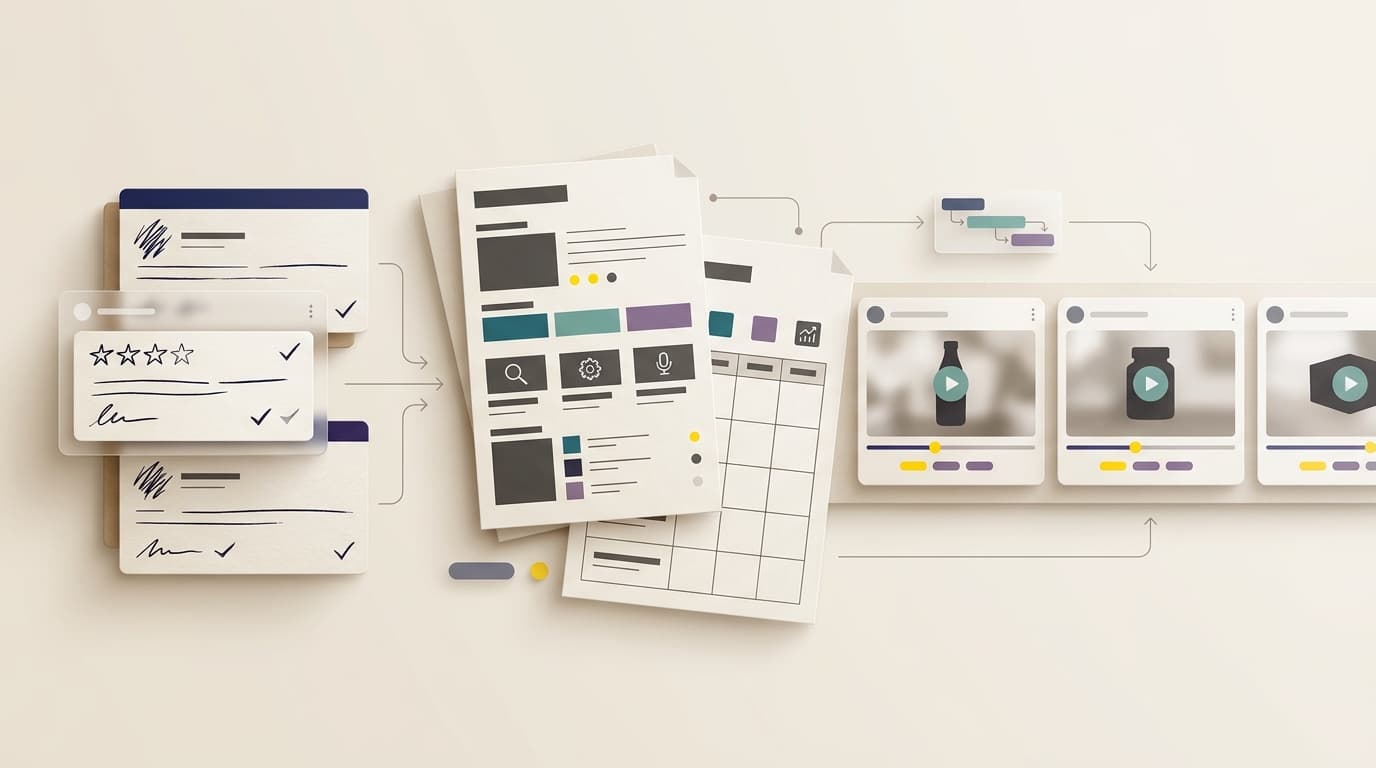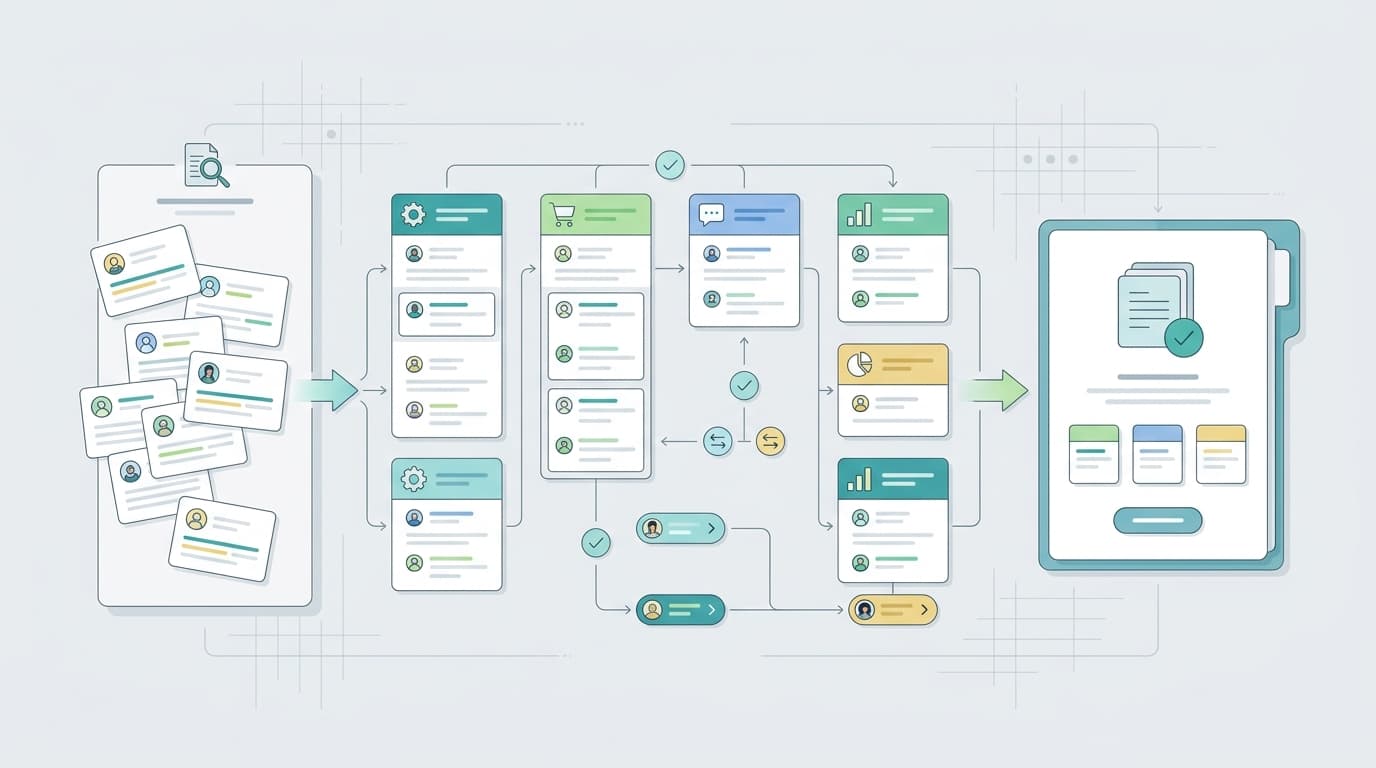
Amazon review insights are specific observations pulled from buyer reviews, such as a repeated complaint about sizing, setup, packaging, durability, or customer expectations. Amazon review intelligence is the broader system that turns many insights into decisions across product, listing, support, competitor monitoring, and brand health.
The difference matters because sellers often stop at the first useful observation. An insight can explain one issue. Intelligence connects that issue to ASINs, variations, competitors, time, owner actions, and business priorities. Sellers need both, but they are not the same thing.
Quick Definition
Area | What to watch | Seller output |
Review insights | Specific observations from review text | A theme, question, complaint, praise point, or buyer phrase |
Review intelligence | A repeatable decision system built from many insights | Prioritized actions, competitive gaps, and performance monitoring |
Seller decision | Which problem to fix and why it matters now | Product roadmap, listing edits, support fixes, or competitor strategy |
Why the Difference Matters for Amazon Sellers
Amazon reviews are one of the few places where buyers explain the gap between what the listing promised and what the product actually delivered.
A review insight might tell you that customers dislike the packaging. Review intelligence tells you whether that complaint is new, whether it affects one ASIN or several, whether it started after a supplier change, and whether the fix belongs to the product, logistics, listing, or support team.
Amazon also treats reviews as more than social proof. Its own customer review resources explain that reviews and star ratings help shoppers understand product quality, customer satisfaction, and common product themes: Amazon on customer reviews and star ratings.
Sellers can use the same feedback to make better decisions. Review insights help you notice the issue. Review intelligence helps you decide what to do about it.
How Amazon Review Insights Work
An Amazon review insight usually starts with a specific phrase, complaint, or pattern in buyer language.
A buyer may say the product “looks bigger in the photos,” “takes too long to set up,” “arrived with missing screws,” or “works better than expected.” Each phrase gives the seller a clue.
A good insight should keep the original buyer language close to the interpretation. If the review says “the lid pops off in my bag,” do not immediately rewrite it as “durability concern.” The raw phrase is more useful because it shows the real use case and the buyer’s frustration.
Useful review insights often come from repeated themes around sizing, packaging, durability, setup, compatibility, value for money, unclear images, missing accessories, customer support, and expectation gaps.
For sellers who need to find these patterns at scale, Amazon review analysis can help turn scattered comments into clearer themes without losing the original buyer language.
How Amazon Review Intelligence Works
Review intelligence starts after the first insight is found. It asks what the insight means in a broader business context.
A seller might notice several reviews saying a storage box is “smaller than expected.” That is the insight. The intelligence comes from checking whether the complaint is recent, tied to one variation, or caused by product images that make the item look larger than it is. If the issue is expectation mismatch, the fix may be a clearer size image, a rewritten bullet, or a short FAQ about capacity instead of a product redesign.
The same logic applies to other review themes. A complaint about setup may belong to instructions or packaging. A complaint about durability may belong to product or supplier review. A positive phrase like “easy to clean” may belong in the listing because buyers already understand that benefit.
Good review intelligence keeps a few details attached to each theme: the original buyer phrase, ASIN, variation, review date, rating, owner, and follow-up date. That is enough for most teams. It shows what buyers said, where it happened, who should handle it, and whether the fix worked.
Common Mistakes
Calling One Review Quote “Intelligence”
One review quote can be useful, but it is still only one signal. Review intelligence needs context, frequency, timing, and a clear action.
Ignoring Positive Insights
Positive reviews are not just compliments. They show which benefits buyers already understand. If customers repeatedly praise easy cleaning, strong packaging, or fast setup, those phrases may help improve listing copy and product positioning.
Summarizing Too Early
AI summaries can save time, but sellers should keep the original buyer language nearby. When a team rewrites customer language too early, nuance disappears. The exact phrase often explains the real use case better than a clean internal label.
Treating Competitor Complaints as Automatic Opportunities
A competitor weakness is only useful if your product can credibly solve it. Before turning a competitor complaint into a listing claim, check whether your product experience actually supports the claim.
Letting Insights Sit in a Report
A review dashboard is helpful only when it changes what the team does next. If nobody owns a theme, it is not intelligence yet. It is just a report line.
Using Review Language Without Checking Claims
Review language can inspire product pages, ads, and support content, but sellers should verify claims before publishing. If review insights influence marketing claims or testimonials, the FTC’s review and endorsement guidance is worth checking: FTC guidance on endorsements, influencers, and reviews.
How VOC AI Helps
VOC AI is most useful when review volume gets too large for manual reading.
A seller can read ten reviews by hand. Reading 1,000 reviews across several ASINs, variations, and competitors is a different problem. Important patterns get buried quickly: a sizing complaint that appears only in one variation, a competitor weakness that keeps showing up, or a positive phrase buyers repeat often enough to influence listing copy.
VOC AI helps sellers find those patterns faster. Instead of starting from a blank spreadsheet, teams can use VOC AI to surface recurring themes, sentiment shifts, buyer phrases, and competitor gaps that deserve a closer look.
A listing team might use VOC AI to find the exact words buyers use when describing size confusion. A product team might use it to compare quality complaints before and after a supplier change. A brand team might watch whether the same complaint is spreading across multiple ASINs.
For broader customer understanding, VOC AI’s customer analytics page is a useful next step. For listing changes based on buyer language, VOC AI’s AI listing tool may also be relevant.
VOC AI should not be treated as a replacement for Amazon’s official seller review tools. Amazon’s Customer Reviews tool is still useful for eligible brand owners who need Amazon-native review workflows.
The simplest way to position it: Amazon tools help sellers manage official review activity; VOC AI helps teams make sense of large review sets and find the patterns worth acting on.
Conclusion
Amazon review insights and Amazon review intelligence work together, but they are not the same.
Insights tell you what buyers said. Intelligence tells you what the seller should do next.
A seller who only collects insights may end up with interesting quotes and no action. A seller who builds intelligence without preserving the original buyer language may lose the nuance that made the reviews useful in the first place.
The best review workflow keeps both sides connected: real buyer phrases, clear themes, ASIN context, owners, and follow-up. That is how Amazon reviews become more than feedback. They become a practical source of product, listing, support, and brand decisions.
FAQ
What are Amazon review insights?
They are the useful signals sellers pull from reviews, such as a repeated complaint, a phrase buyers keep using, a common question, or a benefit customers mention often.
What is Amazon review intelligence?
It is the process of turning those review signals into decisions. Instead of stopping at “buyers complain about size,” the seller checks where the issue appears, how recent it is, and what action should follow.
What is the main difference between review insights and review intelligence?
Insights are the raw clues. Intelligence is the decision-making layer built around those clues.
Which one should Amazon sellers focus on first?
Start with insights. You need to understand the buyer language before building dashboards, tags, or workflows around it. Once patterns repeat, turn them into intelligence.
How can review intelligence improve Amazon listings?
It can show where listing copy creates the wrong expectation. For example, reviews may reveal that images make a product look larger than it is, or that buyers need clearer compatibility details.
Can review intelligence help with product development?
Yes. Repeated complaints about durability, setup, materials, missing parts, or packaging can help product teams decide what to inspect, test, or improve.
Can VOC AI help with Amazon review intelligence?
Yes. VOC AI can help sellers work through large review sets, find recurring themes, compare competitor feedback, and identify buyer language that may guide product, listing, and support decisions.