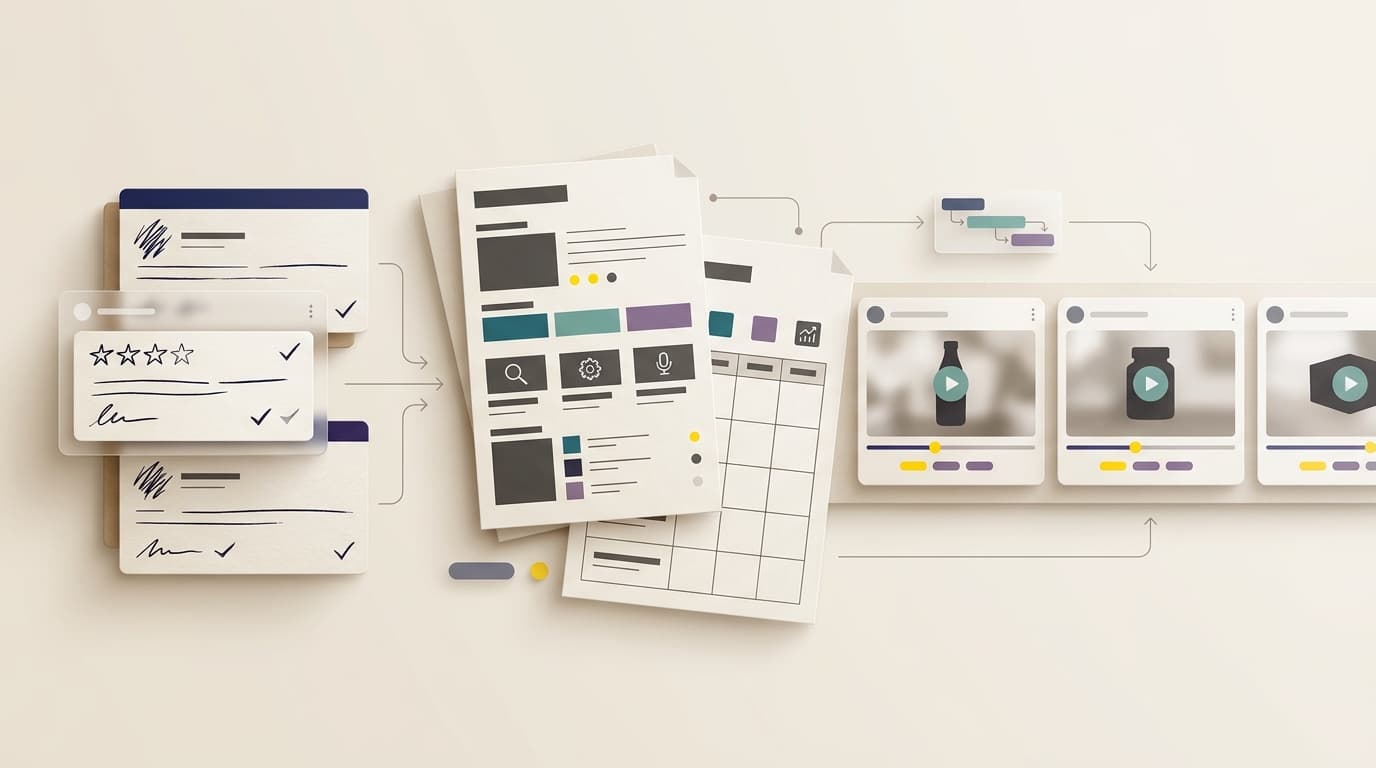
Social listening for Amazon brands is the practice of tracking and analyzing public conversations about a brand, product, competitor, or category across social platforms, forums, creator content, and communities, then using those signals to guide marketplace decisions. For sellers, the goal is not to count every mention. The goal is to learn what buyers care about before that language becomes a negative review, a competitor talking point, or a missed listing opportunity.
Amazon reviews show what happened after purchase. Social listening shows what people say before purchase, during comparison, after using the product in real life, and when they talk to communities that Amazon never sees. For brands that depend on marketplace reputation, those outside-Amazon conversations can explain why a product is gaining attention, why a claim is confusing, or why a competitor is suddenly being recommended.
Quick Definition
Field | Meaning |
Term | Social listening for Amazon brands |
Plain-English meaning | Tracking and interpreting public buyer conversations outside Amazon |
Used by | Brand managers, marketplace leads, product marketers, support teams, and agencies |
Main seller decision | What to fix, monitor, message, or escalate before it becomes a review problem |
Related metrics | Mention volume, sentiment themes, share of voice, creator mentions, complaint themes, competitor comparisons |
Reddit Business describes social listening as tracking and analyzing conversations around brands, products, industries, and competitors. For Amazon sellers, that definition becomes more specific: listen for marketplace signals that affect listings, reviews, conversion, and brand trust.
Why Social Listening Matters for Amazon Brands
Amazon sellers often discover problems late. A product starts getting negative reviews, a TikTok complaint spreads, a Reddit thread calls out a confusing claim, or a competitor becomes the default recommendation in a niche community. By the time the issue appears in star ratings, the brand may already be reacting instead of learning.
Social listening helps sellers notice early language. Buyers may complain on Reddit that a supplement tastes different, ask TikTok whether a beauty product is safe for sensitive skin, compare kitchen gadgets in YouTube comments, or mention that a competitor's accessory works better. These signals are messy, but they can explain demand and risk before Seller Central dashboards show a clean trend.
- Product teams can spot repeated use cases and complaints that have not reached review volume yet.
- Listing teams can capture buyer phrases, objections, and comparison language for copy tests.
- Support teams can prepare answers for questions that are spreading across social channels.
- Brand protection teams can watch counterfeit, hijacker, or trust concerns outside the listing page.
How Social Listening Works for Amazon Sellers
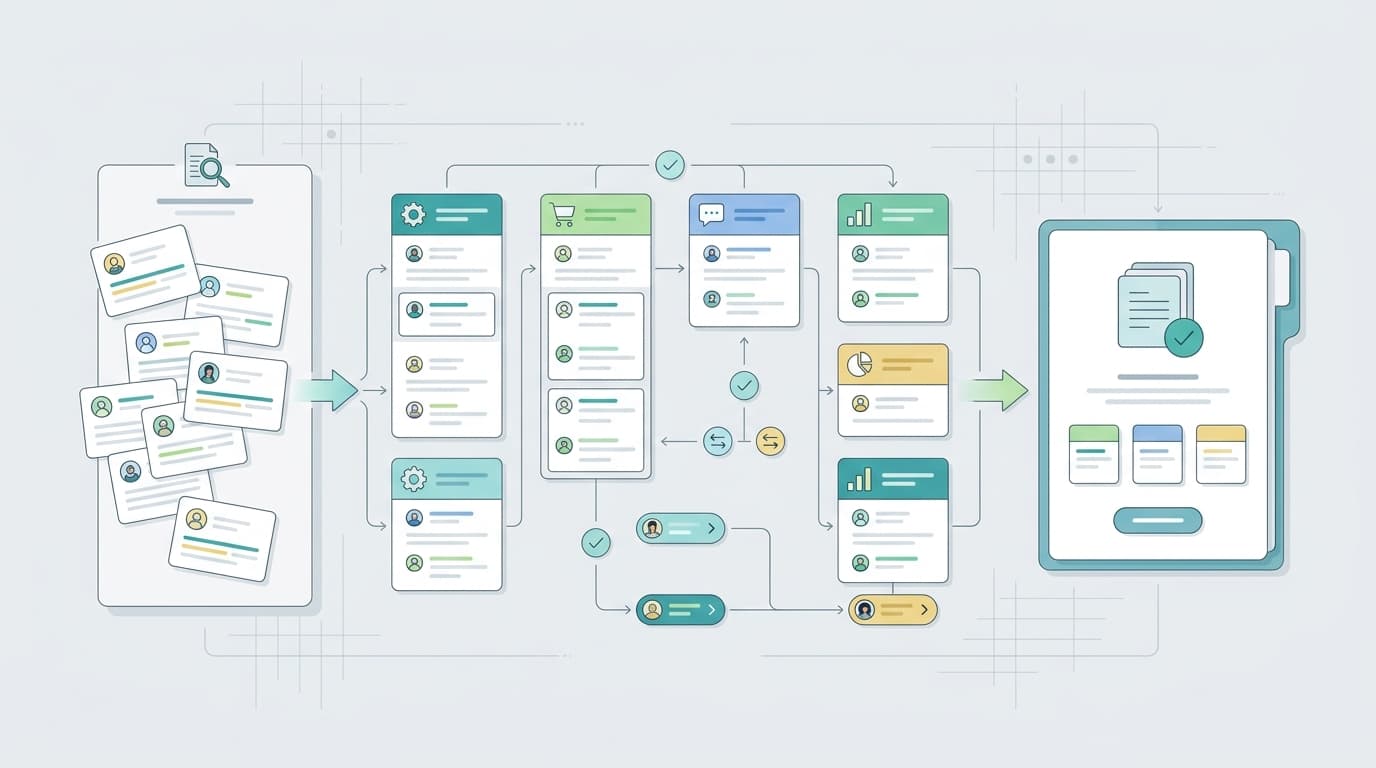
A practical workflow starts with a topic map. List your brand names, product names, ASIN nicknames, competitor names, category phrases, problem phrases, and risky claims. Then map each topic to the platform where it is most likely to appear. TikTok may surface creator-led demos. Reddit may surface candid comparison threads. YouTube may surface long-form usage objections. Amazon reviews may confirm whether those outside signals turn into post-purchase problems.
The next step is classification. Mentions should be grouped by theme, not only by platform. Useful buckets include product quality, packaging, sizing, safety, ingredient questions, value for money, competitor comparisons, availability, shipping, and counterfeit concerns. A social listening report that only says mentions increased is weak. A report that says untagged TikTok posts are repeating the same battery-life complaint is actionable.
Finally, assign owners. A product complaint goes to product or QA. A confusing claim goes to listing or creative. A safety concern goes to compliance. A creator opportunity goes to influencer or growth. A counterfeit thread goes to brand protection. Listening without ownership turns into noise.
Example: From Social Mention to Amazon Action
Imagine an Amazon brand selling a portable blender. Reviews are still mostly positive, but social listening finds several Reddit and TikTok conversations saying the cup is hard to clean after protein shakes. That theme is not yet strong enough to change the rating average, but it is specific enough to act on.
The team can check whether Amazon reviews mention cleaning, add a listing image showing the cleaning process, update FAQ copy, prepare support guidance, and monitor whether the same phrase appears in competitor reviews. If the issue keeps growing, the product team can test a brush insert or lid redesign. The value is not the mention itself. The value is earlier learning.
Related Metrics and Signals
Metric | What it tells you | Seller action |
Mention volume | Whether a topic is getting more attention | Investigate spikes and source channels |
Sentiment themes | Whether discussion is positive, negative, mixed, or confused | Prioritize fixes or message tests |
Share of voice | How often your brand appears against competitors | Track category visibility |
Complaint velocity | How quickly a complaint phrase spreads | Escalate product or support issues |
Creator mentions | Which use cases influencers or reviewers repeat | Brief creative and partnership teams |
Review crossover | Whether social themes appear later in Amazon reviews | Validate whether social noise became buyer experience |
When Social Listening Becomes Useful
Social listening starts to matter when it shows how people talk before they become buyers. On Amazon, the review usually comes after the purchase. On TikTok, Reddit, YouTube, Instagram, and niche forums, the conversation often happens earlier: someone is comparing two products, asking whether a feature is worth it, complaining about a category problem, or repeating something they heard from a creator.
That early language is easy to miss if a brand only watches its own name. A shopper may never mention the brand at all. They may say "the travel bottle that fits cup holders," "the serum that pills under makeup," or "the cheaper version of Brand X." Those phrases are not neat keywords, but they are often the words that shape search behavior, listing expectations, and purchase hesitation.
This is where social listening gives Amazon teams a different kind of input. It does not replace review analysis. It helps explain what buyers were thinking before they reached the review page. A product team might use it to spot recurring frustrations in the category. A listing team might use it to find clearer language for images and bullet points. A creative team might use it to understand which creator demos actually changed how people describe the product.
What to Look For Beyond Mentions
The most useful social listening notes are rarely about volume alone. A sudden increase in comments is interesting, but the better question is what changed in the conversation. Did buyers start comparing the product with a competitor? Did a creator introduce a new use case? Did people misunderstand the size, material, compatibility, ingredient, or setup? Did a small complaint turn into a phrase that keeps getting repeated?
For Amazon brands, these details are more useful than a generic sentiment score. A comment like "looks cheap" may point to image quality, packaging expectations, or a competitor positioning problem. A phrase like "too bulky for travel" may matter more if the listing currently leans on portability. A Reddit thread about "hard to clean" may be a small clue, or it may be the first sign of a product page issue that will later show up in reviews.
The trick is to keep the social context attached to the phrase. Where did it appear? Was it a casual comment, a creator review, a comparison thread, or a complaint from an actual buyer? Was the person reacting to the product, the category, the price, the listing promise, or a competitor claim? Those details help the team avoid both extremes: ignoring useful outside conversation, or treating every loud post like a crisis.
How VOC AI Fits Into This Process
VOC AI is most useful after a brand has found the customer language it wants to investigate. Social listening can surface the phrase, question, or objection; VOC AI can help Amazon teams check whether the same theme appears in reviews, sentiment patterns, competitor feedback, and recurring product complaints. That connection matters because outside conversation is often early and messy, while Amazon review data shows what verified buyers experienced after purchase. Together, they give sellers a cleaner way to decide whether a topic needs listing clarification, product follow-up, support content, or simple monitoring.
Turning Outside Conversation Into Amazon Decisions
Once a theme keeps appearing, the next step is not to archive screenshots. It is to decide what the Amazon team can actually change. If shoppers keep asking whether a product fits a specific model, the answer may belong in the title, image stack, FAQ, or A+ content. If people keep repeating a competitor's advantage, the brand may need stronger comparison language or a clearer product positioning angle. If creators are showing an unexpected use case, the listing may need to reflect how buyers are actually using the product.
Some themes are worth watching but not acting on yet. A one-off joke, a single complaint, or a short-lived comment thread may not deserve a listing change. Other themes deserve a closer look because they repeat across social channels, Amazon reviews, support tickets, and competitor reviews. The more places the same wording appears, the more likely it is that the issue is affecting real purchase decisions.
For a small team, a useful weekly note can stay very short. Capture the exact phrase, where it appeared, why it matters, whether Amazon reviews confirm it, and what action makes sense next. That action might be as small as rewriting one image callout or as large as sending a product issue to QA. The goal is not to monitor the whole internet. It is to notice the few outside conversations that can make the Amazon page clearer, more trustworthy, and closer to how customers already talk.
FAQ
What is social listening for Amazon brands?
Social listening for Amazon brands is the practice of tracking and analyzing public conversations about a brand, product, competitor, or category across social platforms, forums, creator content, and communities, then using those signals to guide marketplace decisions.
Is social listening the same as review monitoring?
No. Review monitoring focuses on feedback left on Amazon or other retail review surfaces. Social listening looks across wider public conversations, including untagged mentions, community threads, creator videos, and competitor comparisons.
Which channels should Amazon brands monitor?
Start with the places where buyers discuss products before or after purchase: Reddit, TikTok, YouTube, Instagram, Facebook groups, X, niche forums, and competitor communities. Add channels only when someone owns the follow-up action.
Can social listening help Amazon listing optimization?
Yes. Social listening can reveal language buyers use before they search, objections that do not appear in reviews yet, creator-led use cases, and comparison phrases that can inform listing copy and creative testing.
How does VOC AI fit social listening?
VOC AI is strongest for review intelligence and customer voice analysis. Social listening signals can complement that review data by showing what buyers and creators discuss outside Amazon before those themes show up in ratings or reviews.