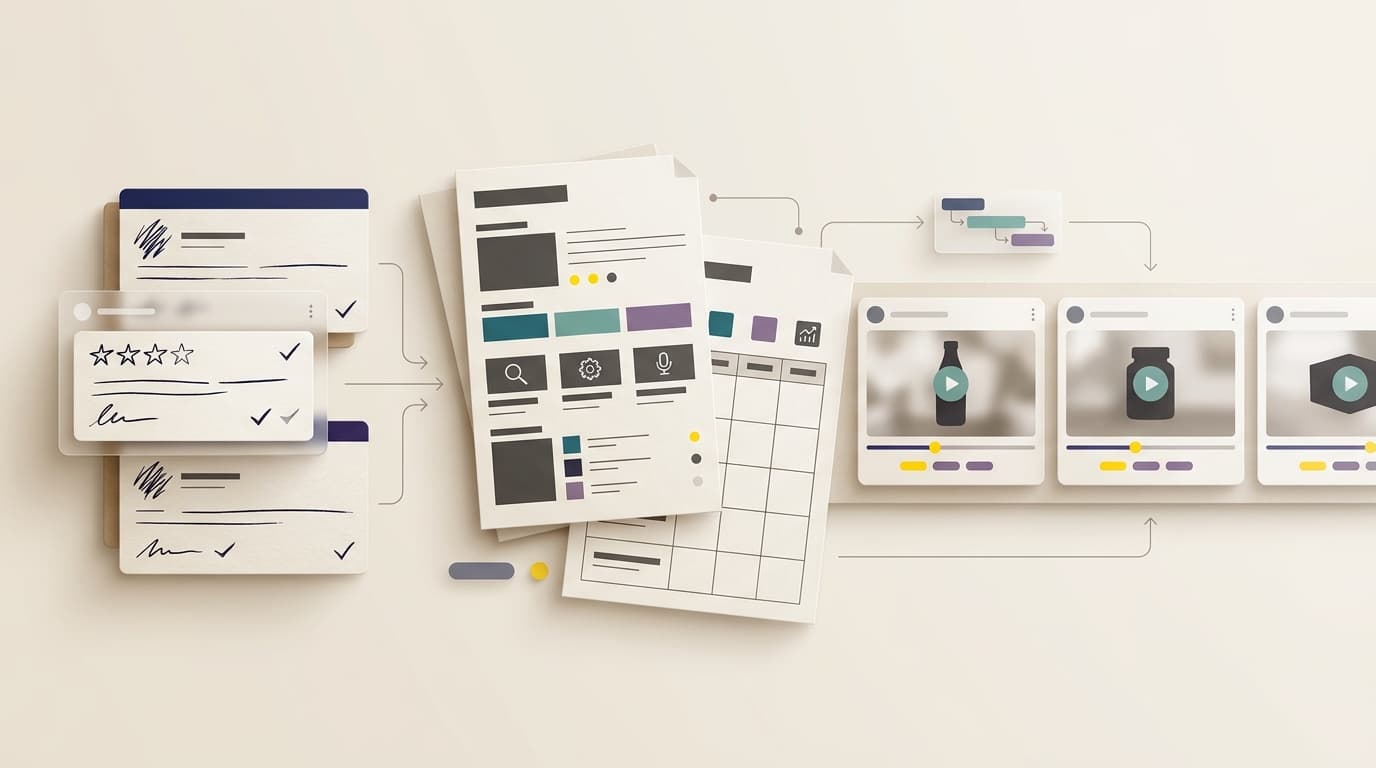
Social listening and review monitoring are often grouped together because both deal with customer voice. For Amazon brands, they solve different problems. Review monitoring watches what buyers say on review surfaces after purchase. Social listening watches what people say in public conversations before, during, and after purchase, including untagged posts, creator content, community threads, and competitor comparisons.
The best Amazon teams use both, but not in the same way. Review monitoring is the operating baseline. It tells you what is happening on your listings and competitor listings. Social listening is the early-warning and market-language layer. It helps you understand what buyers discuss outside Amazon, why a topic is gaining momentum, and which themes may later appear in reviews.
TL;DR - Social Listening vs Review Monitoring
Feature | Social listening | Review monitoring |
Primary source | Social platforms, Reddit, forums, creator content, communities | Amazon reviews, ratings, retail review pages |
Timing | Often before or around purchase | After purchase |
Best for | Early signals, untagged mentions, competitor talk, creator narratives | Listing-specific feedback, rating movement, buyer complaints |
Main risk | Noise and context gaps | Late signal if the issue started off-platform |
Who it is for | Brand, growth, product marketing, PR, and insights teams | Marketplace, product, listing, support, and brand protection teams |
Choose review monitoring first if your team cannot already answer which complaints are increasing across your ASINs. Choose social listening next when you need to know what buyers and creators say before those complaints become reviews.
The two workflows become strongest when they validate each other. A social theme that later appears in reviews deserves action. A review issue that is also spreading on TikTok or Reddit deserves faster escalation.
What Is Review Monitoring?
Review monitoring is the practice of tracking new reviews, rating movement, complaint themes, and review patterns on Amazon or other retail platforms. For Amazon sellers, the official baseline is Amazon's Customer Reviews tool and Seller Central workflows, plus any compliant analytics the brand uses to understand review language.
Review monitoring is concrete because it is tied to a listing. You can see the product, marketplace, rating, date, and review content. That makes it useful for product QA, listing updates, support training, and brand protection. It is also useful for competitor research because review themes show what buyers praise or dislike after using a product.
- Catch new negative reviews before they become a pattern.
- Group complaints by product issue, expectation gap, or support question.
- Compare competitor review themes for positioning and product opportunities.
- Track whether product or listing changes reduce repeated complaints over time.
What Is Social Listening?
Social listening tracks and analyzes wider public conversations about a brand, category, product, or competitor. Reddit Business describes social listening as tracking and analyzing conversations around brands, products, industries, and competitors. For Amazon brands, the useful part is finding off-platform buyer language that can affect marketplace trust.
Social listening is less tidy than review monitoring. A TikTok comment may not include an ASIN. A Reddit thread may mix personal opinion with hearsay. A YouTube review may compare several products loosely. But that messiness is also the value. It shows the language buyers use when they are not writing a formal product review.
- Find untagged brand or product mentions outside Amazon.
- Understand creator-led use cases and objections.
- Watch competitor comparisons before they affect search behavior.
- Spot community concerns that may later become review themes.
Detailed Comparison for Amazon Brands
Signal quality
Review monitoring usually has cleaner signal quality because the feedback is attached to a product and rating. Social listening has more noise, but it can reveal ideas that never become reviews. A buyer may complain on Reddit before deciding not to buy, which means review monitoring would never see the lost conversion.
Speed
Social listening can be faster for public conversation shifts. A creator video, forum thread, or community recommendation can move before ratings change. Review monitoring is faster for post-purchase experience because it catches new review language close to the listing.
Actionability
Review monitoring often maps directly to product, listing, or support actions. Social listening needs more interpretation. A social mention may be a real issue, a misunderstanding, a creator trend, or a one-off opinion. The right workflow is to validate social themes against reviews, support tickets, returns, and competitor data before overreacting.
Competitor insight
Both workflows support competitor research. Review monitoring shows what buyers say after using competitor products. Social listening shows what people say while comparing, recommending, or criticizing products in public. A brand that uses both can understand not only what happened after purchase, but also why buyers chose one product over another.
Which Should You Use First?
Scenario | Start with | Reason |
You do not track new Amazon complaints reliably | Review monitoring | You need a clean listing-level baseline. |
A TikTok complaint is spreading quickly | Social listening | The issue is moving outside review surfaces. |
You are planning listing copy updates | Both | Reviews show buyer experience; social shows pre-purchase language. |
You need competitor product gaps | Review monitoring | Competitor reviews expose post-purchase weaknesses. |
You need category trend language | Social listening | Communities reveal emerging phrasing and use cases. |
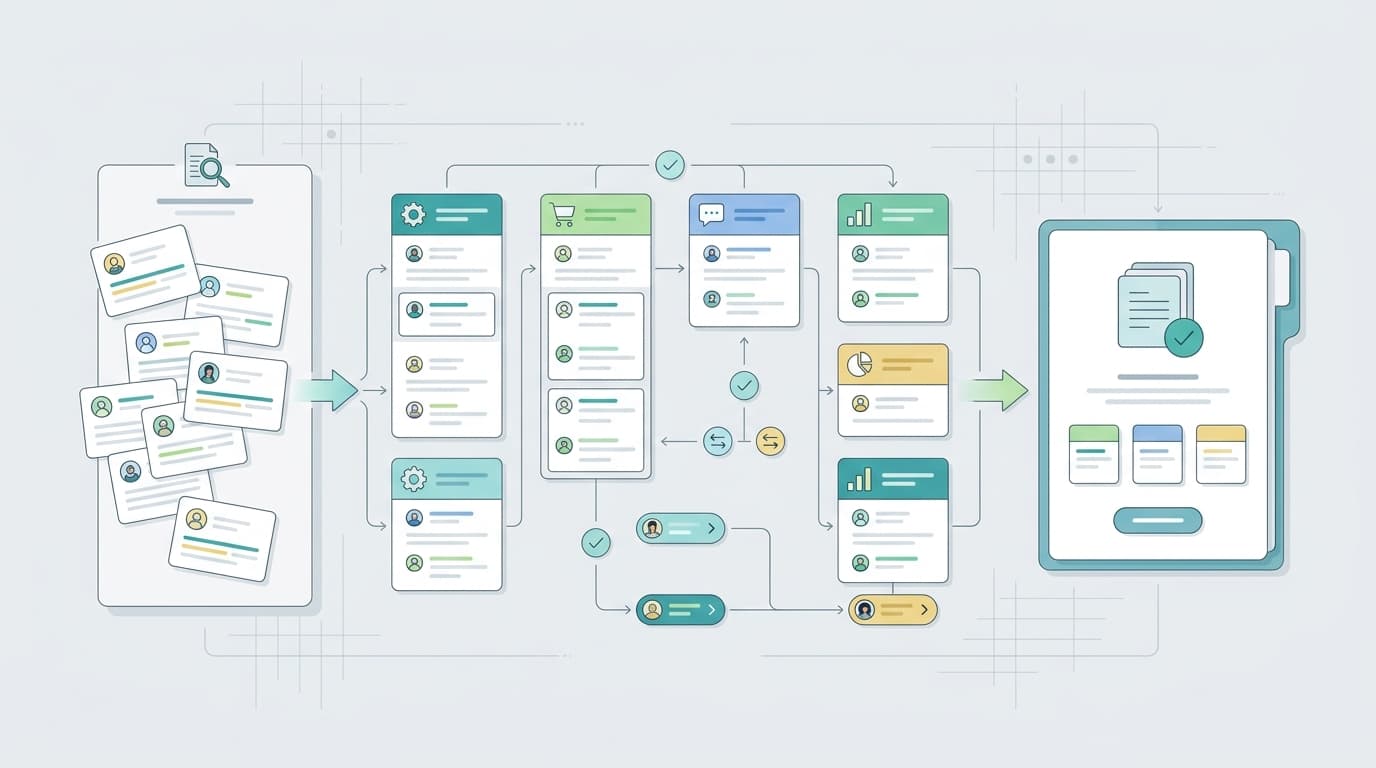
A simple maturity model works well. Stage one is review monitoring for your own ASINs. Stage two adds competitor review analysis. Stage three adds social listening for untagged and off-platform conversations. Stage four connects all sources into a weekly customer voice review where every theme has an owner.
How to Combine Social Listening and Review Monitoring
- Create a shared topic map for brand names, product names, competitor names, category terms, problem phrases, and risky claims.
- Monitor reviews weekly and classify themes by product, listing, support, packaging, value, and brand trust.
- Monitor social channels for untagged mentions, creator-led comparisons, recurring objections, and fast-moving complaints.
- Compare the two sources. Promote themes that appear in both reviews and social conversations.
- Assign an owner and action type: product fix, listing update, support content, creative test, competitor brief, or brand-protection escalation.
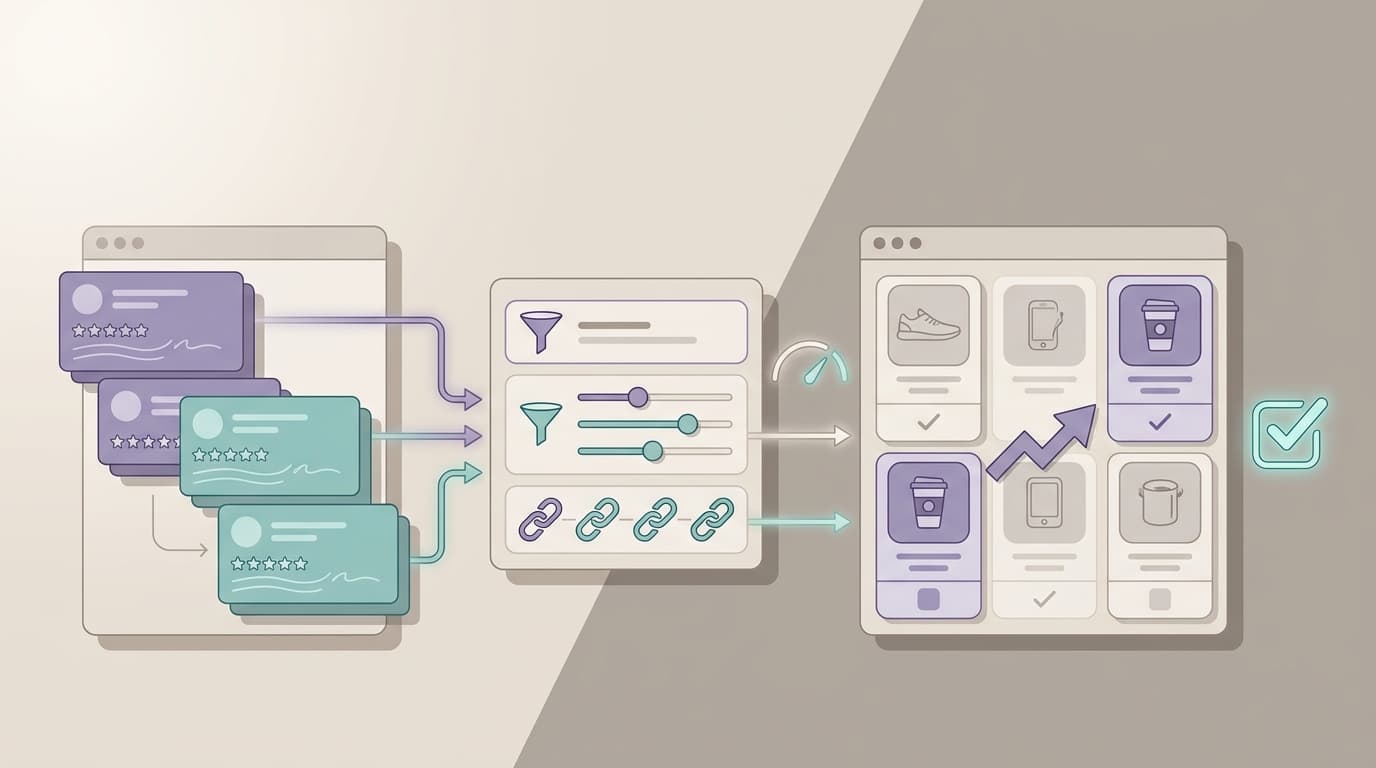
VOC AI is useful in the review intelligence part of this system: theme clustering, sentiment analysis, and competitor review comparison. Social listening adds the outside-Amazon layer. Together, they help a brand decide whether a signal is a review issue, a social narrative, or a full customer voice priority. See Amazon review competitor benchmarking for the review side of this workflow.
Practical Seller Checklist
For Amazon sellers, the point is not to collect more comments. The point is to decide which customer signals deserve action, which ones only need monitoring, and which team should own the follow-up. Use social listening to spot weak signals early, then use review monitoring to confirm whether those signals are showing up in verified buyer feedback.
Start each weekly review with five fields:
- Theme: What are buyers or creators actually saying?
- Source: Did it come from Amazon reviews, competitor reviews, Reddit, TikTok, YouTube, support tickets, returns, or marketplace alerts?
- Evidence strength: Is this a one-off mention, a repeated social theme, a repeated review theme, or a pattern across both social and reviews?
- Business impact: Does it affect conversion, returns, star rating, listing clarity, compliance, product quality, or brand trust?
- Owner: Should the next action sit with product, listing, support, creative, compliance, or brand protection?
Then sort each theme by response level. A single social mention or isolated review usually belongs in monitoring: save the phrase, note the source, and check whether it appears again next week. If buyers are confused about use case, size, compatibility, ingredients, setup, or expectations, treat it as a clarification issue and update the listing copy, images, FAQ, A+ content, or support macros.
When the same complaint appears across reviews, returns, support tickets, or competitor comparisons, move it into investigation. That means checking product QA, returns data, support logs, and review history before deciding whether the issue is messaging, product quality, or customer education. If the signal suggests safety, compliance, counterfeit, policy, or brand-protection risk, escalate it immediately to the responsible internal owner instead of waiting for the next weekly review.
The most useful seller workflow is simple: social listening finds the question, review monitoring tests the evidence, and the team decides the next action. For example, if TikTok comments say a product is "hard to clean," do not rewrite the listing immediately. First check Amazon reviews, return reasons, support tickets, and competitor reviews. If the same phrase keeps appearing, the action may be a cleaning image, a short FAQ answer, a product insert, or a product design review.
Track exact buyer language, not only sentiment. "Bad quality" is less useful than "lid leaks in backpack." "Too small" is less useful than "does not fit a Stanley cup holder." Specific phrases can become listing copy, image callouts, QA checks, support scripts, and competitor positioning. Save the phrase exactly as customers use it, then add your interpretation in a separate note.
Small teams can run this as a ten-minute weekly note:
- Top new social themes
- Matching Amazon review themes
- Competitor or creator mentions
- Recommended actions and owners
- Next check date
Agencies can use the same format by client, ASIN, or product line. This keeps reporting focused on decisions instead of vanity metrics. Mention volume is useful context, but the client value is knowing which buyer words should influence listing copy, creative briefs, review analysis, support content, or product improvements.
Larger brands should connect the checklist to launch and crisis workflows. Before launch, use social listening to collect category language, competitor complaints, creator objections, and unanswered buyer questions. During launch, watch for confusion, availability issues, unexpected use cases, and early complaint patterns. After launch, compare those social themes with review monitoring to see which outside conversations became verified buyer feedback.
Keep one decision log for the handoff. Record the theme, source, exact buyer phrase, matching review evidence, response level, chosen action, owner, and next review date. This log turns noisy public conversation into accountable Amazon execution. It also prevents teams from rediscovering the same customer language every month during launch reviews, listing refreshes, support planning, and quarterly product meetings.
FAQ
What is the difference between social listening and review monitoring?
Review monitoring tracks reviews and ratings on retail surfaces such as Amazon. Social listening tracks wider public conversations across communities, social platforms, creators, forums, and competitor discussions.
Which one should Amazon brands start with?
Start with review monitoring if you do not yet have a reliable view of Amazon ratings, new reviews, and review themes. Add social listening when you need earlier signals from outside Amazon or need to understand competitor and creator conversations.
Can social listening replace Amazon review monitoring?
No. Social listening can reveal early and off-platform signals, but it cannot replace the direct buyer feedback, rating movement, and listing-specific evidence that review monitoring provides.
Can review monitoring catch social media crises?
Not reliably. Review monitoring may show impact after buyers leave feedback, but social listening is better for catching a fast-moving social complaint before it becomes a rating or conversion problem.
How should VOC AI fit into this workflow?
Use VOC AI for review intelligence and competitor review analysis, then compare those findings with social listening themes. When both sources repeat the same complaint or use case, prioritize it for action.