Amazon's 2026 Prime Day event ran June 23-26 and ended at 11:59 p.m. Pacific Time on June 26, according to Amazon's own retail coverage. For brand, social, and CX teams reviewing the first signals after the deal window, the urgent question is not whether every post is representative. It is whether a Prime Day social listening spike points to a product issue, a review risk, a support gap, a campaign-message mismatch, or a noisy but short-lived public conversation.
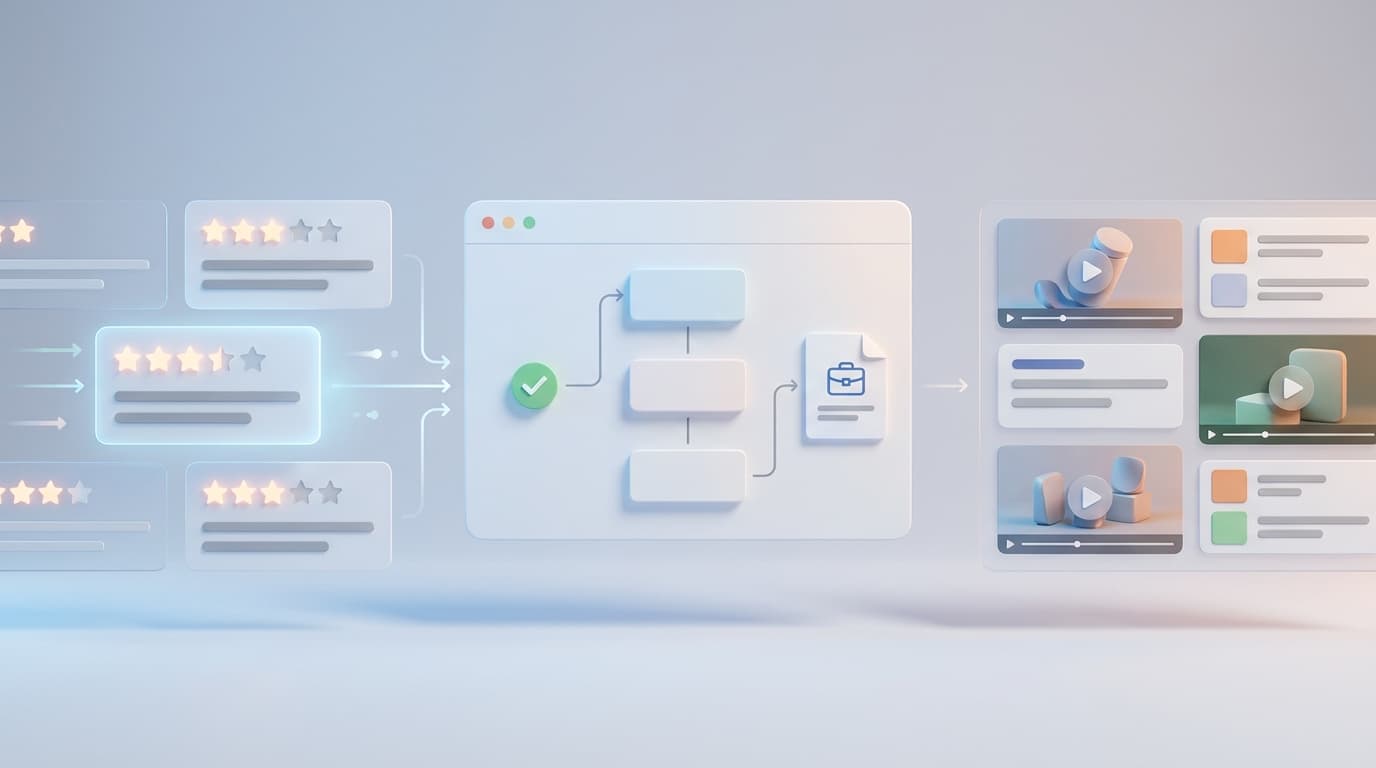
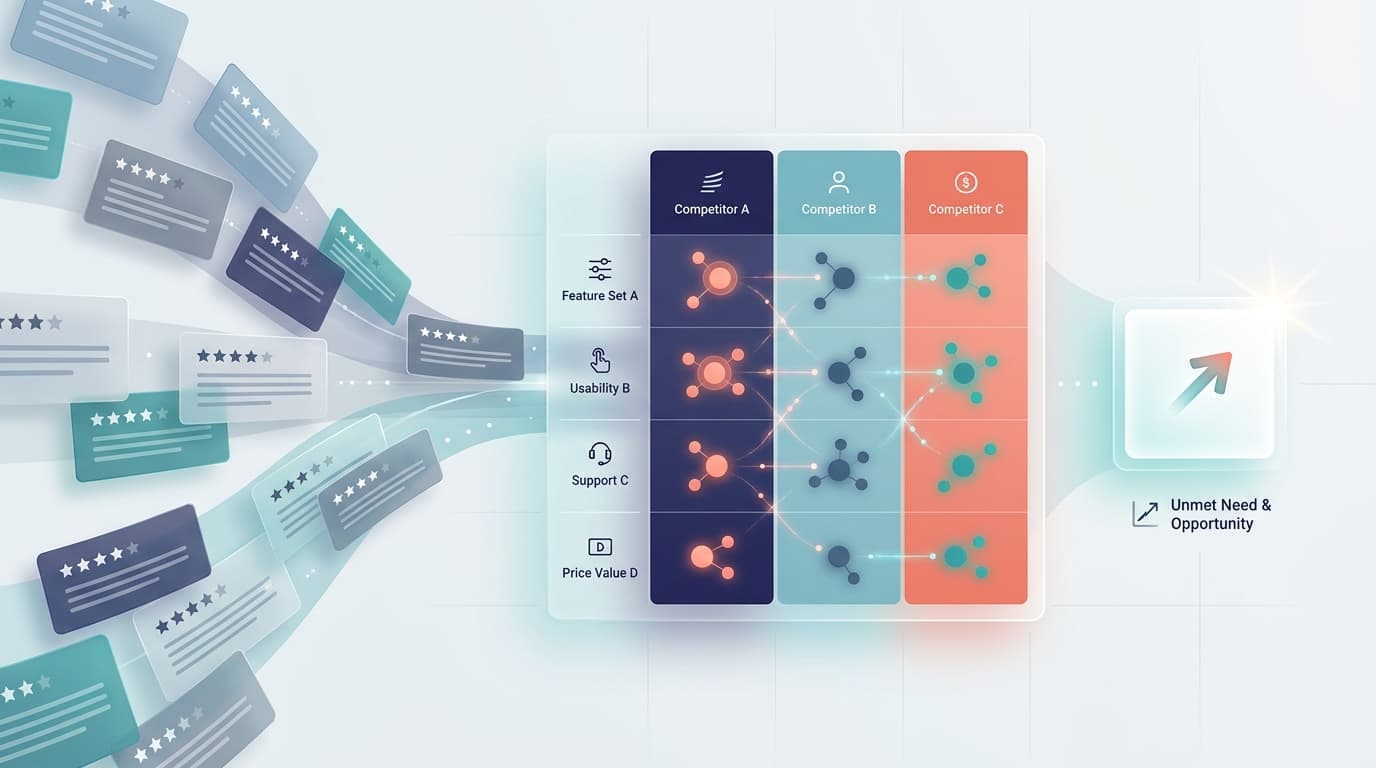
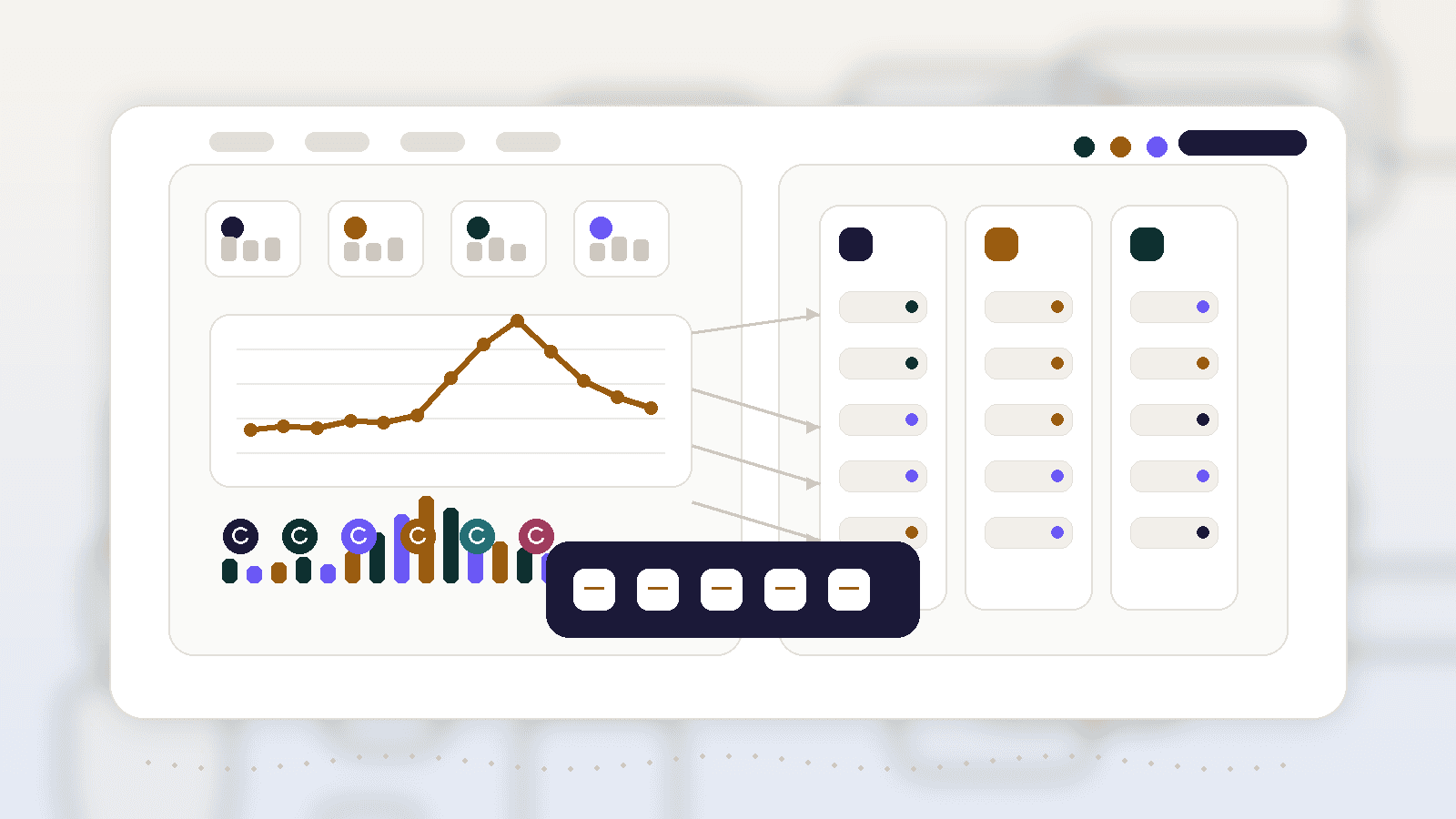
A useful spike report does not stop at screenshots of loud posts. It combines public social mentions, marketplace reviews, rating movement, support themes, and owner routing into one operating view. Social complaints can appear before review volume stabilizes, while reviews and ratings often arrive later with stronger product evidence. Support tickets may show the private version of the same issue. The report is the bridge between those signals.
This workflow is for brand, social, ecommerce, marketplace, and customer-experience teams that need a source-safe way to monitor public feedback after a major promotion. It does not promise sentiment recovery, review removal, rating recovery, sales lift, or platform enforcement outcomes. The goal is faster source checks, cleaner ownership, and better decisions before a deal spike turns into scattered Slack threads.
What a Prime Day Social Listening Spike Report Should Answer
A Prime Day social listening report should answer five operating questions before the team posts a public reply, rewrites product copy, escalates a supplier ticket, or changes the next promotion plan:
- Where did the spike start? Separate marketplace reviews, star-rating movement, TikTok or creator posts, Instagram comments, YouTube comments, Facebook groups, X posts, Reddit or forum discussions, news mentions, and support contacts where the team has access.
- What product or promise is being discussed? Map the spike to ASIN, SKU, parent listing, variation, bundle, coupon, delivery window, ad creative, support script, or influencer claim.
- Is the same theme visible in reviews or support? Compare public social language with new reviews, rating movement, Q&A, support tickets, return reasons, and customer-service macros.
- Who owns the next action? Route issues to social, marketplace, listing, product, operations, supply chain, CX, legal/compliance, or competitive intelligence.
- What will be checked next? Define the next observation window, the evidence required, and the decision threshold for reply, fix, monitor, escalate, or close.
VOC AI's social listening page positions the workflow around tracking shopper and creator conversation across marketplaces and social channels alongside Amazon review data. Pair that with Voice of Customer analysis when the team needs to cluster review language, compare themes over time, and connect public conversation to buyer feedback.
Use a Three-Window Baseline
The first mistake in a post-promotion report is treating all feedback as one pile. A deal event changes traffic, buyer expectations, delivery timing, and review velocity. For 2026 Prime Day, use a pre-event baseline, the June 23-26 event window, and a post-event watch window.
| Window | Signals to capture | Why it matters | Decision output |
|---|---|---|---|
| Pre-event baseline | Normal mention volume, common review themes, rating trend, support tags, influencer or campaign calendar, and competitor conversation. | Shows what was normal before deal traffic changed the audience mix. | Baseline note and expected spike triggers. |
| Prime Day event window | Social mention spike, creator posts, coupon confusion, delivery questions, price-value complaints, new reviews, rating movement, and support contacts. | Shows which issues appeared while shoppers were reacting to the deal. | Live watchlist and first owner assignments. |
| Post-event 72 hours | Late delivery complaints, negative review clusters, support backlog, return hints, public replies, competitor comparisons, and repeated language. | Shows which themes persist after the event and deserve a formal response route. | Spike report, route QA, and next-check schedule. |
Do not force every channel into the same confidence level. A viral post can tell the team what people are repeating. A review cluster can show how buyers describe product experience after purchase. A rating movement can show whether the issue is visible on the listing. A support theme can show the private customer effort. A Prime Day social listening report should label each source instead of blending them into false certainty.
Channel Matrix for a Post-Deal Spike
The channel matrix is the core value asset in this workflow. It keeps brand teams from treating a social spike, review spike, and support spike as the same thing.
| Channel or source | What to capture | What it can show | What it cannot prove alone | First owner |
|---|---|---|---|---|
| Public social posts and comments | Post URL, author type where visible, date, product reference, theme, reach context if available, screenshots, and reply status. | Fast public narratives, creator reactions, complaint language, misinformation risk, and emerging buyer expectations. | Actual purchase status, defect rate, return volume, or whether every viewer shares the complaint. | Social or brand communications. |
| Creator and influencer content | Video/post link, claim made, product shown, coupon or bundle wording, comment themes, and whether the content was sponsored or organic where known. | Which promise shoppers heard before buying and which objections are spreading in comments. | Root cause, order-level outcome, or whether the creator's audience matches actual buyers. | Influencer, social, or brand team. |
| Marketplace reviews | Review text, star rating, ASIN, variation, date, theme, severity, photos where visible, and comparison with pre-event review themes. | Post-purchase buyer language, product experience, variation issues, packaging complaints, and repeated pain points. | Private support history, return reason, or intent behind the review. | Marketplace, product, or VOC lead. |
| Ratings and review velocity | Average rating movement, new review count, one-star/two-star share, review velocity by ASIN and variation, and timing against deal dates. | Whether the issue is becoming visible on the listing and whether review mix changed after the promotion. | The exact reason for the change without review text and operational context. | Marketplace analytics. |
| Support tickets and chat themes | Ticket tags, macro failures, refund requests, warranty questions, setup issues, delivery questions, and escalation notes from first-party systems. | Private customer burden, repeated confusion, missing help content, and issues that may not yet appear in reviews. | Public reputation impact or full category sentiment. | CX or support operations. |
| Q&A and product-page questions | Question text, answer quality, repeated topics, mismatch with listing copy, and timing around promotion. | Buyer uncertainty before or after purchase and topics that need clearer listing content. | Actual defect rate or support load without adjacent data. | Listing or marketplace content owner. |
| Competitor and category conversation | Competing product mentions, shared complaint themes, price/value comparisons, category-wide delivery or quality concerns, and review benchmarks. | Whether the spike is brand-specific or part of a broader category expectation gap. | Competitor internal operations or definitive category-wide causality. | Competitive intelligence. |
| News, blogs, and public web | Article URL, claim, quoted source, date, product or category reference, and whether the article links to social posts or reviews. | Reputation amplification risk and narratives that may be cited outside the original social channel. | Operational root cause or sales impact. | PR or communications. |
This matrix supports ecommerce social listening because it gives each channel a role. Social is early and public. Reviews are post-purchase and product-specific. Ratings show listing visibility. Support shows private customer effort. The report becomes useful when it shows how these signals agree, conflict, or need more evidence.
Response-Owner Map
A spike report without owners turns into observation theater. Use the map below to assign the first responsible team, the evidence they need, and the action they can take without overreaching.
| Spike pattern | Route to | Evidence required | Safe first action | Escalation trigger |
|---|---|---|---|---|
| Coupon, bundle, or deal-term confusion | Marketplace content plus social team. | Social posts, ad creative, coupon terms, listing copy, Q&A, and support questions. | Clarify deal language in public replies and listing-support content where policy allows. | Repeated confusion appears in reviews, support, and public posts. |
| Packaging or delivery complaints | Operations, fulfillment, and CX. | Review text, support contacts, delivery timing, packaging-change dates, returned-item inspection, and carrier or warehouse context where available. | Separate product damage, packaging spec, warehouse handling, and delivery timing before changing product claims. | Complaints repeat across multiple ASINs, regions, or fulfillment paths. |
| Variation-specific product complaints | Catalog, product, and marketplace owner. | Child variation, review themes, social mentions, photos where visible, support tags, and inventory batch. | Filter by variation before editing the parent listing or pausing a broader campaign. | One variation creates rating movement or severe support burden. |
| Setup, instruction, or warranty confusion | CX, support operations, and product education. | Support macros, setup questions, review phrases, product insert, help center content, and Q&A. | Convert repeated questions into clearer help content, product inserts, or support macros. | Customers publicly repeat the same confusion after support content is updated. |
| Creator claim or influencer mismatch | Influencer marketing, brand, and legal/compliance if needed. | Original content, campaign brief, claim approval, comments, product page copy, and screenshots. | Correct the claim through the creator relationship or brand channel without arguing with customers. | Unsupported health, safety, compliance, warranty, or performance claims appear. |
| Suspicious or coordinated-looking review/social pattern | Brand protection and marketplace lead. | Exact text, dates, screenshots, URLs, ASINs, marketplace, timing, and operational context. | Document evidence and use platform-approved reporting paths. Avoid public accusations or motive claims. | Pattern includes policy-risk content, impersonation, fake-review indicators, or high business impact. |
| Competitor comparison gains traction | Competitive intelligence and product marketing. | Comparison posts, reviews, feature claims, pricing context, rating movement, and competitor review themes. | Decide whether the issue is product gap, positioning gap, proof gap, or category-wide expectation. | The comparison repeats across channels or appears in new reviews. |
The owner map is also the place to keep public response discipline. Social teams can acknowledge and route. Marketplace teams can clarify listing content. Product and operations teams can diagnose. Legal and brand protection can review policy-sensitive patterns. No single team should infer root cause from one channel.
Live Route QA Before Anyone Acts
Every public reply or internal escalation should include route QA. A brand can make a correct observation and still damage trust by linking to a broken page, outdated promotion, or unsupported claim. In this workflow, route QA means checking every URL, claim owner, and next action before the report is shared.
| Route or asset | QA question | Pass condition | Owner |
|---|---|---|---|
| Product page or listing | Does the page still match the claim shoppers are reacting to? | Current copy, images, bundle terms, compatibility, and delivery promises are captured with screenshots. | Marketplace content. |
| Support or help content | Does the support link answer the actual complaint? | Page returns 200, includes the relevant answer, and does not contradict listing language. | CX or support operations. |
| Promotion or coupon page | Is the deal page still live, expired, redirected, or removed? | Status is documented and reply language does not send customers to a dead or expired route. | Marketplace or merchandising. |
| VOC report or dashboard | Can the team reproduce the spike view? | Report includes date range, channel filter, source list, owner, and next-check date. | VOC or analytics lead. |
| External source or policy reference | Is the source current and directly relevant? | Source URL is saved, accessible, and does not get stretched beyond what it says. | Comms, legal, or marketplace lead. |
| Internal handoff route | Does the issue have a named owner and follow-up date? | Ticket, brief, or tracker row includes owner, evidence, action, severity, and due date. | Operations lead. |
For this workflow, route QA means confirming that each public link is live, each source still supports the claim being made, and each internal handoff has a named owner before the team shares the spike report.
Build the Spike Report in Seven Steps
- Lock the event window. For 2026 Prime Day, use June 23-26 as the event window and June 26 after 11:59 p.m. Pacific Time as the event close marker.
- Pull the channel matrix. Capture public posts, review text, ratings, support tags, Q&A, competitor conversation, and public web references separately.
- Normalize themes. Group language into coupon confusion, delivery, packaging, variation, quality, setup, warranty, competitor comparison, suspicious pattern, and praise.
- Compare social and review timing. Mark whether the social spike appeared before, during, or after new reviews and rating movement.
- Attach source confidence. Label every finding as social signal, review signal, rating signal, support signal, first-party operational signal, or external source.
- Assign owners. Use the response-owner map to route each material spike to the first team that can act.
- Run route QA and schedule the next check. Verify public links, internal handoffs, source URLs, and the next observation window before the report is distributed.
Keep the report short enough for a standup. The full appendix can hold screenshots and exports, but the operating view should show the issue, evidence, confidence, owner, first action, and next check.
How to Combine Social Mentions, Reviews, Ratings, and Support Themes
Use a simple evidence ladder. Social mentions are fast. Reviews are slower but closer to product experience. Ratings show visible listing impact. Support themes show customer effort that may never become public. The best spike report explains how these layers line up.
| Evidence pattern | Interpretation | Recommended action |
|---|---|---|
| Social spike only | Public narrative is forming, but product evidence is not confirmed. | Monitor, capture screenshots, prepare reply language, and check reviews/support at the next interval. |
| Social spike plus support spike | Customers are publicly and privately confused or frustrated. | Prioritize help content, macros, public reply guidance, and owner routing. |
| Social spike plus review cluster | The same language is appearing after purchase. | Escalate to product, listing, operations, or marketplace owner with source-separated evidence. |
| Review cluster plus rating movement | The issue is visible on the listing and may affect buyer trust. | Run root-cause triage, variation split, and response plan; avoid blaming social alone. |
| Support spike without public conversation | The issue may be private, operational, or early. | Fix support content and monitor public channels for delayed visibility. |
| Competitor category spike | The complaint may reflect category expectations rather than a brand-specific defect. | Use Market Insight and competitor review benchmarking before repositioning. |
This evidence ladder is the difference between a Prime Day social listening report and a feed of screenshots. The report should protect the team from two mistakes: dismissing early social complaints because reviews are not stable yet, and overreacting to social noise before review, rating, or support evidence catches up.
How VOC AI Fits the Workflow
VOC AI fits the analysis layer of this workflow. Its public product pages describe review intelligence, customer language, sentiment analysis, competitor benchmarks, Market Insight, social listening, and the Review Analysis API. Current public proof points include 2B+ Amazon reviews, 500M+ products tracked, 30+ categories, and daily refresh. Use those as scale context, not as a promise of reputation recovery, rating improvement, or sales lift.
- Social listening: use VOC AI Social Listening to track shopper and creator conversation alongside marketplace feedback.
- Review intelligence: use Voice of Customer analysis to cluster review themes and compare buyer language before, during, and after the promotion.
- Market context: use Market Insight when the spike may be category-wide or tied to competitor movement.
- Workflow comparison: use social listening vs review monitoring to define which team owns each signal.
- Evergreen method: use social listening for Amazon brands when the team needs a broader monitoring foundation.
If your team needs to turn a Prime Day social listening spike into owner-ready evidence, start with the channel matrix, add review and rating checks, route each issue to a response owner, and verify every public or internal route before the next update. For larger catalogs or multi-marketplace workflows, talk to VOC AI about connecting public conversation, review intelligence, support themes, and competitor benchmarks in one post-promotion operating rhythm.
FAQ
What is Prime Day social listening?
Prime Day social listening is the process of monitoring public conversation, creator content, comments, reviews, ratings, and related support themes during and after Prime Day so brand teams can detect complaint spikes, message confusion, and product-experience issues faster.
Why do social complaints often appear before review data stabilizes?
Social posts can appear as soon as shoppers react to a deal, delivery, creator claim, or first-use experience. Reviews and rating movement often take longer because buyers need to receive the product, use it, and leave public marketplace feedback.
Which channels belong in a post-Prime-Day spike report?
Useful sources include public social posts, creator content, marketplace reviews, rating movement, review velocity, Q&A, support tickets, competitor conversation, and public web mentions. Each source should be labeled so the team does not confuse early public signal with confirmed operational root cause.
Who should own a Prime Day social listening spike?
Ownership depends on the pattern. Social teams usually own public response routing, marketplace teams own listing and deal-message checks, CX owns support themes, product owns defects or variation issues, operations owns delivery and packaging evidence, and brand protection or legal owns policy-sensitive patterns.
How should brands handle suspicious review or social patterns?
Use evidence-first language. Save exact text, URLs, dates, screenshots, ASINs, timing, and operational context. Avoid public accusations or motive claims, and use platform-approved reporting paths when policy-risk evidence exists.
Can social listening replace review monitoring?
No. Social listening is faster and more public, while review monitoring is closer to post-purchase product experience. Brand teams need both when a deal spike may move from social conversation into reviews, ratings, and support contacts.