Amazon niche analysis is the process of evaluating a focused product category or buyer problem before deciding whether to enter it. Sellers use it to judge demand, competition, pricing pressure, review gaps, seasonality, and the level of differentiation needed to win.
A niche is not just a product keyword. It is a market slice with a buyer, a use case, a competing set of offers, and a reason a new seller might deserve attention.
TL;DR: Amazon Niche Analysis for Sellers: 7-Step Guide
| Niche question | What to evaluate | What good looks like |
|---|---|---|
| Is there demand? | Search behavior, niche activity, repeat purchase clues, and recent category movement. | Enough active buyer interest to justify deeper analysis. |
| Can a new seller compete? | Review counts, listing quality, price bands, brand strength, and ad intensity. | A visible gap that is not impossible to serve. |
| What do buyers complain about? | Review themes, returns language, missing features, setup issues, and sizing confusion. | Repeated pain points that can become product or listing improvements. |
| What is the decision? | Enter, test, differentiate, wait, or reject. | A documented next step with the main risk stated clearly. |
What niche analysis means and why it needs a narrow frame
Amazon niche analysis evaluates a narrow opportunity inside the marketplace. Instead of asking whether home storage is attractive, a seller might analyze renter-friendly under-sink organizers for small apartments. The narrower frame makes the research useful because buyer needs, competitors, prices, and product requirements become easier to compare.
The goal is not to find a niche with no competition. A niche with no competition may also have no demand. The better goal is to find a niche where demand exists, competition leaves a gap, and the seller has a realistic way to improve the offer.
Broad category research can hide important problems. A category may look large while the specific niche is dominated by a few trusted brands. Another niche may have lower search volume but strong buyer dissatisfaction and easier differentiation. A niche-level view helps sellers avoid treating every product in a category as if it has the same risk.
A practical niche analysis workflow
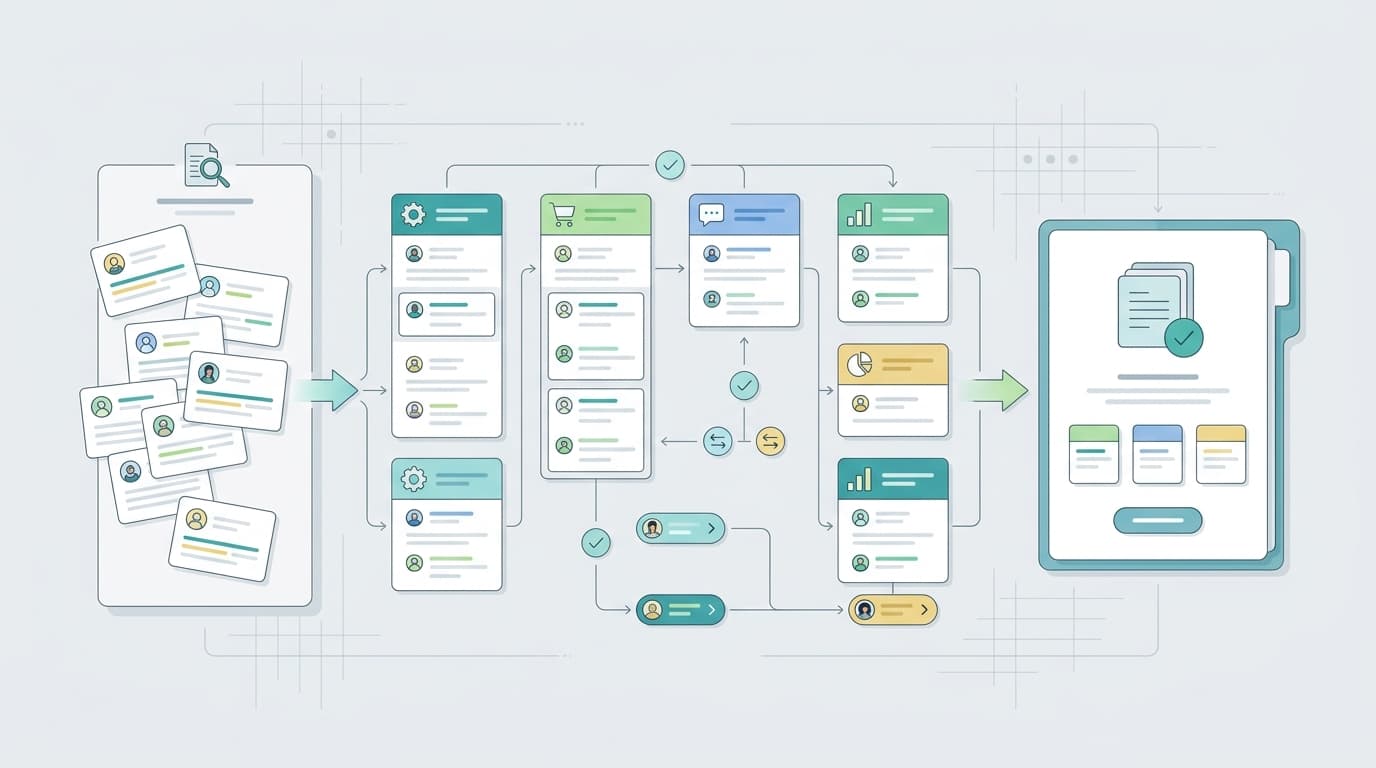
Start by defining the niche in buyer language, not only as a product name. Travel water bottle for kids is more useful than water bottle because it implies durability, size, leak protection, cleaning, and parent concerns. Then measure demand signals: search behavior, category movement, recent review activity, and repeat use cases.
Next, map the competitor set by price tier, review strength, feature focus, fulfillment quality, and brand trust. Include direct products and substitutes. A niche with many sellers can still be attractive if the listings are weak or buyer complaints are consistent. Amazon's Product Opportunity Explorer can help sellers research customer demand, niches, and product opportunities.
Finally, review pricing, margin pressure, listing quality, and search fit. Amazon's Amazon SEO guidance is useful because a niche opportunity still needs discoverable, persuasive listing content. The final output should say whether to enter, test a variation, build a bundle, improve an existing product, or reject the niche.
Demand and competition matrix
A niche decision becomes clearer when demand and competition are viewed together. High demand is not automatically attractive, and low competition is not automatically safe. The best opportunity depends on whether the seller can create a reason for shoppers to choose the new offer.
| Demand | Competition | Recommended response |
|---|---|---|
| High | High | Enter only with strong product, brand, or listing differentiation. |
| High | Low to medium | Prioritize validation and speed because the gap may close quickly. |
| Low to medium | High | Be careful; the niche may not justify fighting established sellers. |
| Low to medium | Low to medium | Test only if review pain is strong and validation is inexpensive. |
Signals often conflict. A niche may show strong buyer complaints but limited demand. Another may show strong demand but no obvious gap. When this happens, reduce the decision to the assumption that matters most and run a small test to resolve it.
How review analysis and VOC AI sharpen the niche decision
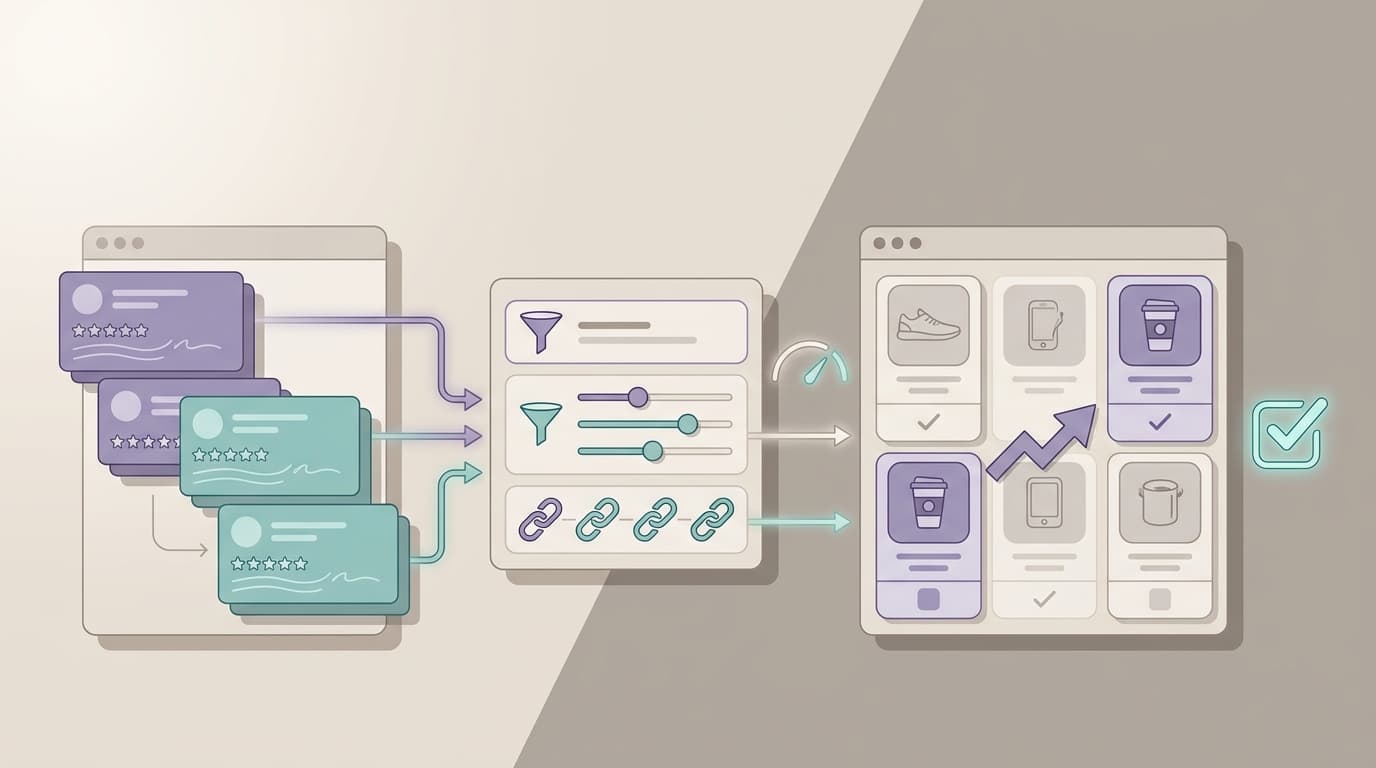
Reviews show the gap between the listing promise and buyer experience. Look for repeated complaints, feature requests, confusing setup moments, quality issues, and phrases buyers use to describe the result they wanted. A niche becomes more interesting when several competitors share the same unresolved problem.
VOC AI is most useful after you have a niche shortlist and competitor ASINs. It can summarize review themes, group pain points, and surface buyer language that would be difficult to see from ratings alone. Those insights help sellers decide whether the niche gap is real or just an assumption.

Scorecard, red flags, and entry decision
Use a simple scorecard for demand, competition, review pain, pricing room, operational complexity, and differentiation. A niche with medium demand but high review pain and clear differentiation may beat a niche with high demand and no realistic way to stand out.
Slow down when the niche depends on claims that are hard to substantiate, quality standards that are hard to inspect, or customer expectations that are expensive to support. Also slow down when the top listings have both strong reviews and strong content; that usually means a new seller needs a genuine product advantage.
The decision should not be a vague maybe. It should name the entry strategy, the product requirement, the first test, and the risk that could invalidate the idea. Good niche analysis turns uncertainty into a specific next action.
FAQ
What is Amazon niche analysis? It is the process of evaluating a focused marketplace opportunity before entering it. Sellers study demand, competition, reviews, pricing, seasonality, operations, and listing quality to decide whether a niche deserves investment.
How is niche analysis different from product research? Product research often evaluates a specific item. Niche analysis evaluates the broader buyer problem, use case, and competitive environment around that item.
What makes a niche attractive? An attractive niche has clear demand, repeated buyer pain points, visible competitor weaknesses, enough pricing room, and a practical way for the seller to differentiate.