Amazon product research using analytics means using repeatable evidence instead of product hunches. Sellers look at demand signals, search behavior, buyer reviews, competitor offers, pricing pressure, and small tests so the next product decision is based on buyer behavior rather than personal preference.
This guide is written for sellers who already have a category, competitor set, or product idea in mind. It shows how to turn analytics into a launch, improve, test, or reject decision without creating a research file that nobody acts on.
TL;DR: Amazon Product Research Using Analytics: A Seller Workflow
| Research area | What to analyze | Decision it should support |
|---|---|---|
| Demand | Niche activity, keyword patterns, seasonality, and recent buyer interest. | Whether the product idea deserves deeper validation. |
| Competition | Top ASINs, pricing, review count, image quality, bullets, bundles, and offer gaps. | Whether a new seller can create a visible reason to switch. |
| Customer voice | Repeated complaints, praise, use cases, questions, and exact buyer language. | Which feature, message, or product requirement matters most. |
| Testing | Listing experiments, ad tests, sample feedback, and post-launch metrics. | Whether the research hypothesis survives real shopper behavior. |
What analytics-led product research really means
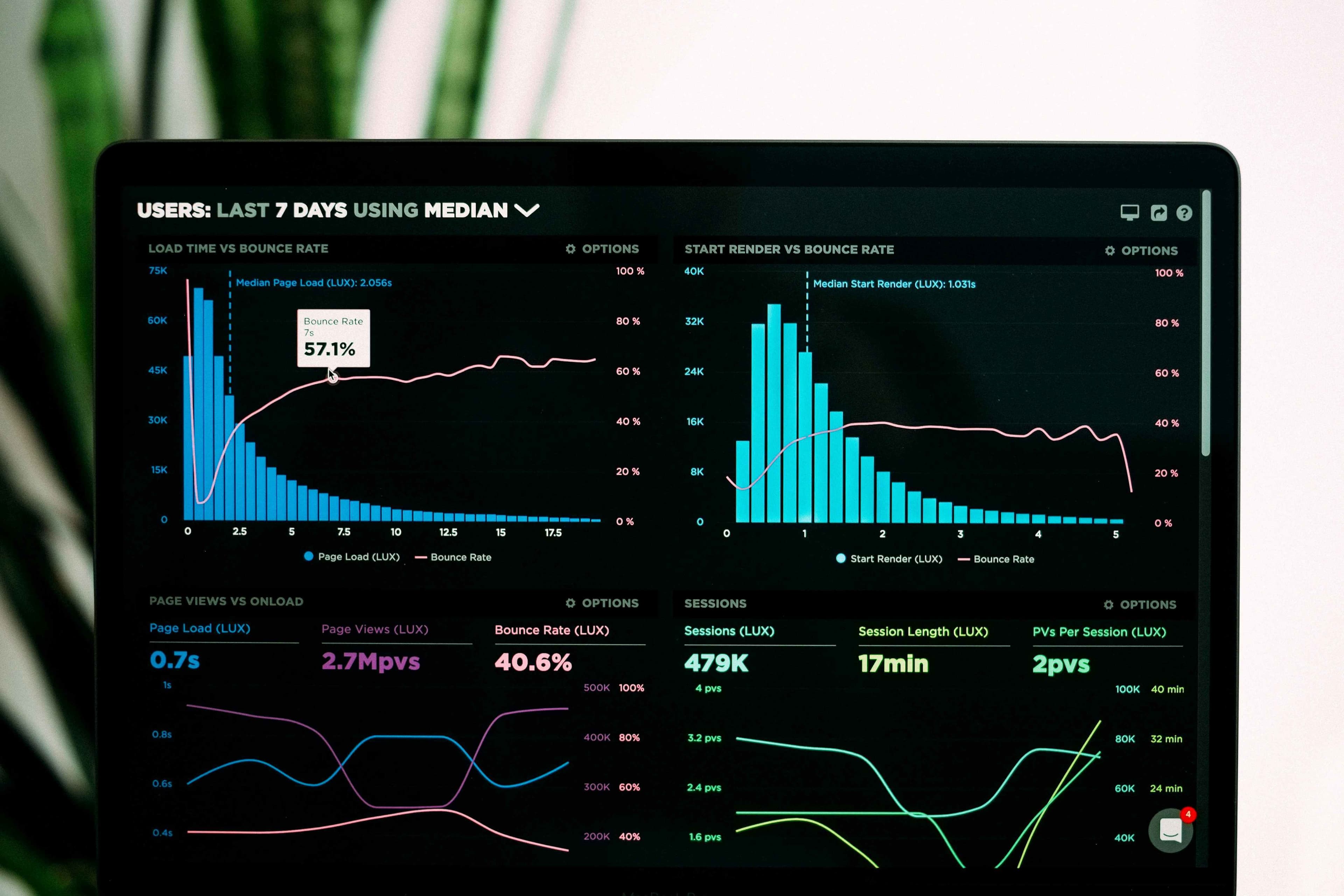
Analytics-led product research is not the same as collecting every metric available. It starts with one decision, then uses the smallest useful set of data to answer that decision. A seller might ask whether to launch a new product, add a variation, improve packaging, change positioning, or reject a niche entirely.
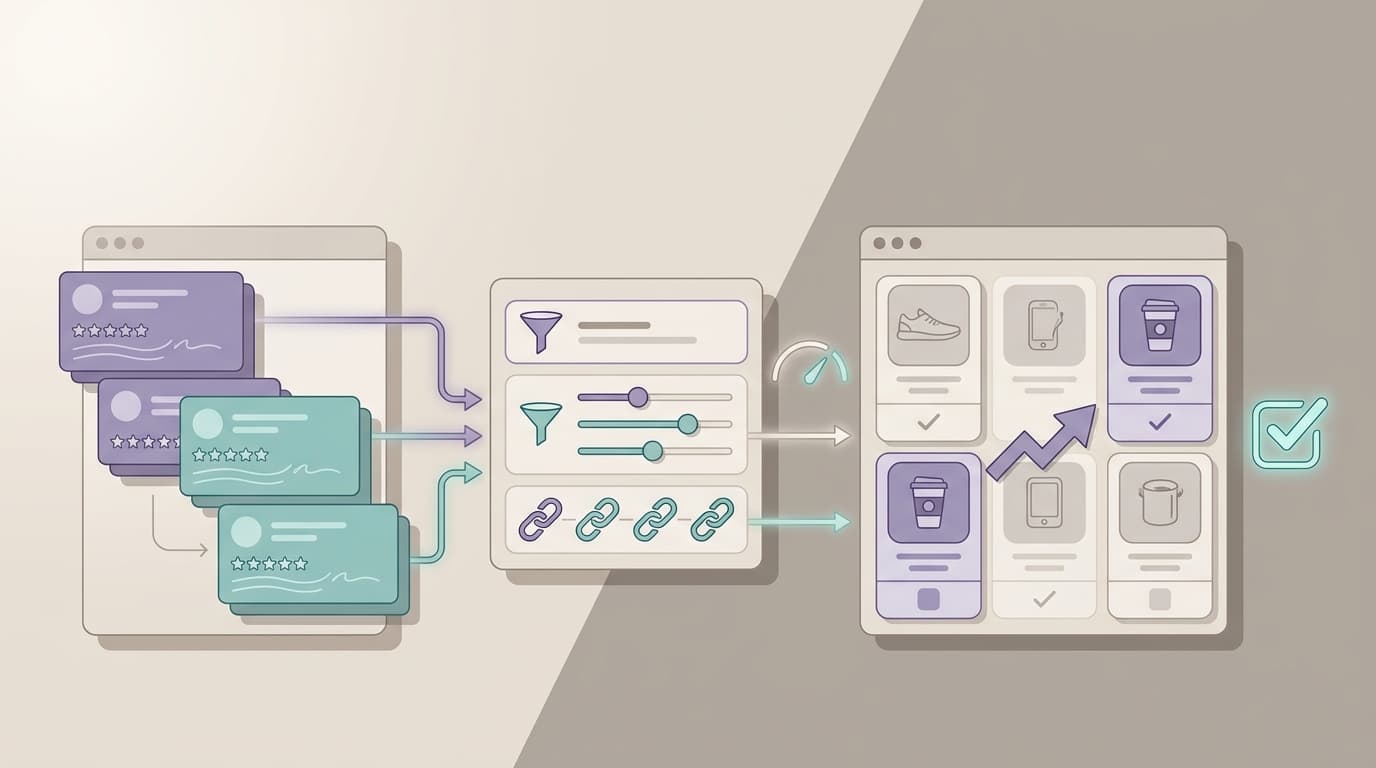
The best workflow combines quantitative and qualitative signals. Quantitative signals show whether there is enough shopping activity and whether competitors already own the market. Qualitative signals explain what buyers praise, what they complain about, and which words they use when they describe the problem. That second layer matters because product opportunities often hide inside repeated buyer frustration.
A strong research output should be short enough to use in a sourcing, listing, or marketing discussion. It should name the opportunity, the evidence, the risk, and the next test. If the output is only a dashboard screenshot or a long list of metrics, the research is not finished.
The core workflow: from market question to decision
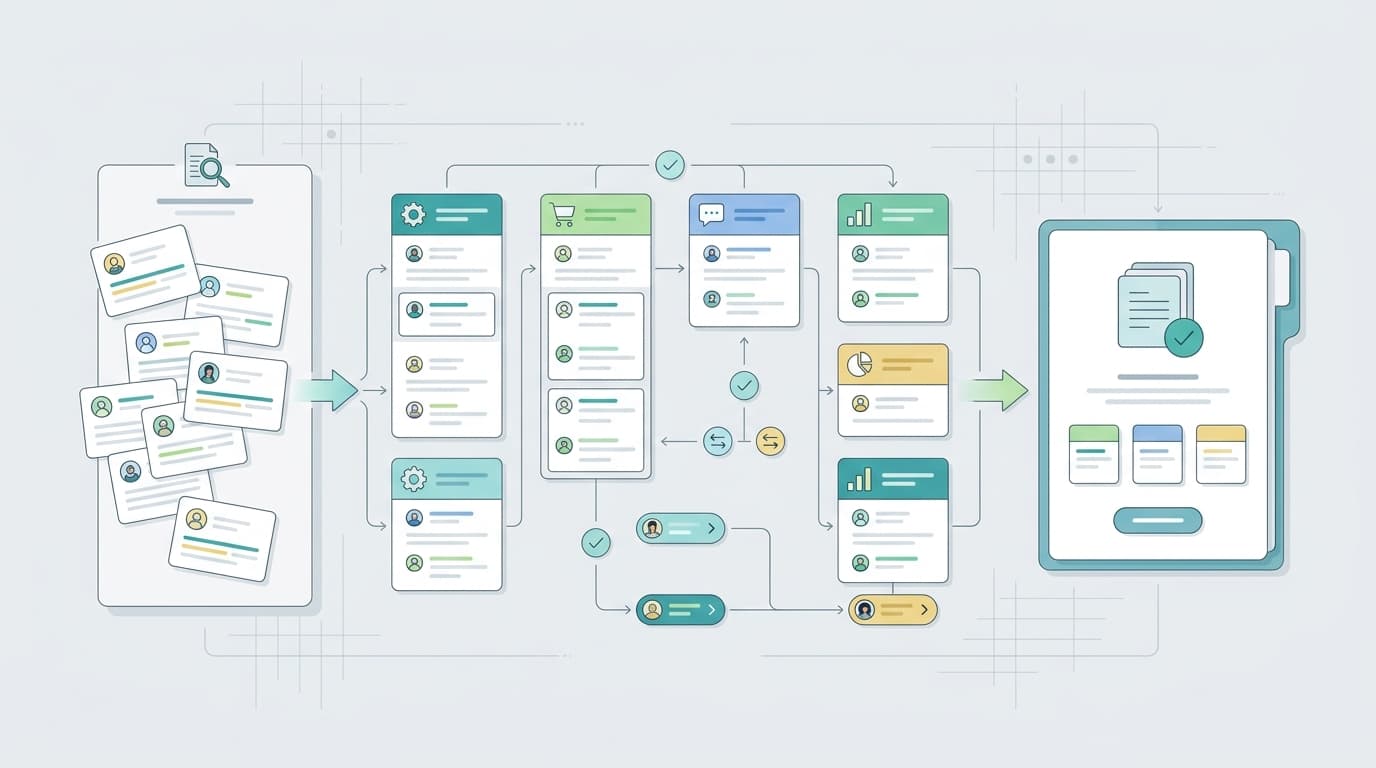
A practical workflow has seven steps, but they do not need seven tiny sections. First, define the market question. Decide whether you are evaluating demand, a competitor gap, a product improvement, a listing angle, or a launch risk. Second, gather demand signals from Amazon-native tools, category movement, keywords, and seasonality. Amazon's Product Opportunity Explorer is one official place sellers can use to research demand, niches, and product opportunities.
Third, map search and keyword fit. The words shoppers use in search should connect to the words they use in reviews. Fourth, read review pain points across competing listings. Repeated issues around sizing, durability, setup, compatibility, or missing accessories are more useful than one dramatic review. Fifth, compare competing listings as complete offers, not only as products. Images, titles, bullets, A+ content, coupons, shipping, and review trust all shape the buyer decision.
Sixth, validate the strongest hypothesis with a controlled test when possible. Amazon's Manage Your Experiments can support eligible listing-content tests. Seventh, document the decision. The conclusion should say whether to launch, improve, test further, or reject the opportunity, and it should include the risk that would change the decision.
A scorecard for judging the opportunity
Use a scorecard to avoid over-weighting whichever metric looks strongest that day. Rate demand, competition, review pain, pricing room, differentiation, and operational fit. The score is not a substitute for judgment, but it forces the seller to explain why a product deserves investment.
| Signal | Strong evidence | Weak evidence |
|---|---|---|
| Demand | Recent shopping activity, clear use cases, and enough search/category movement. | One broad trend with little proof of buyer intent. |
| Competition | Competitors sell, but buyer complaints or weak listings leave a gap. | Dominant listings already solve the main problem well. |
| Differentiation | The seller can improve the product, bundle, image story, or listing promise. | The plan is only to copy a winner and discount. |
| Operational fit | The product is realistic to source, inspect, package, ship, and support. | The opportunity depends on capabilities the seller does not have. |
The most useful part of the scorecard is the note beside each score. If review pain is strong but margin is weak, the next action may be supplier validation. If demand is strong but differentiation is weak, the next action may be a positioning or product-spec test.
Where VOC AI fits into the workflow
VOC AI belongs in the customer-voice part of the workflow. It helps turn large volumes of review text into themes, pain points, buyer language, and competitor gaps. That is useful because product research is not only about whether people buy. It is about why they buy, why they return, and what they wish current products did better.
Use VOC AI after you have a shortlist of products, ASINs, or competitors. At that point, review analysis has context. A repeated complaint can become a product requirement, an image idea, a bullet point, or a support warning. Without that context, review summaries can become interesting but disconnected notes.
Common mistakes and the right stopping point
The first mistake is relying on a single metric. Search volume without margin, sales rank without review analysis, or review count without offer comparison can all mislead the seller. The second mistake is copying the current winner instead of finding a defensible difference. If the product, images, and claims all look the same, shoppers have no reason to switch.
The third mistake is researching past the point of action. Stop when the next piece of information is unlikely to change the decision. If evidence is weak, reject the idea. If evidence is promising but uncertain, run a small test. If evidence is strong and the risk is understood, move to sourcing, listing development, or experiment planning.
After launch, keep tracking the same hypothesis. Watch conversion, review themes, return reasons, ad query performance, and competitor changes. Research does not end at launch; it becomes a monitoring rhythm that tells the seller whether the original assumption is still true.
FAQ
What is Amazon product research using analytics? It is a workflow for using demand data, search behavior, competitor analysis, reviews, pricing, and tests to decide whether to launch, improve, test, or reject a product opportunity.
Which analytics should sellers use first? Start with the analytics that answer the current decision. Demand and competitor data help decide whether to investigate; review analytics explains buyer pain; experiments show whether a proposed change works.
Can analytics guarantee a successful launch? No. Analytics reduces uncertainty, but sourcing quality, positioning, pricing, inventory, and execution still matter. The goal is to make better decisions earlier, not to remove all risk.