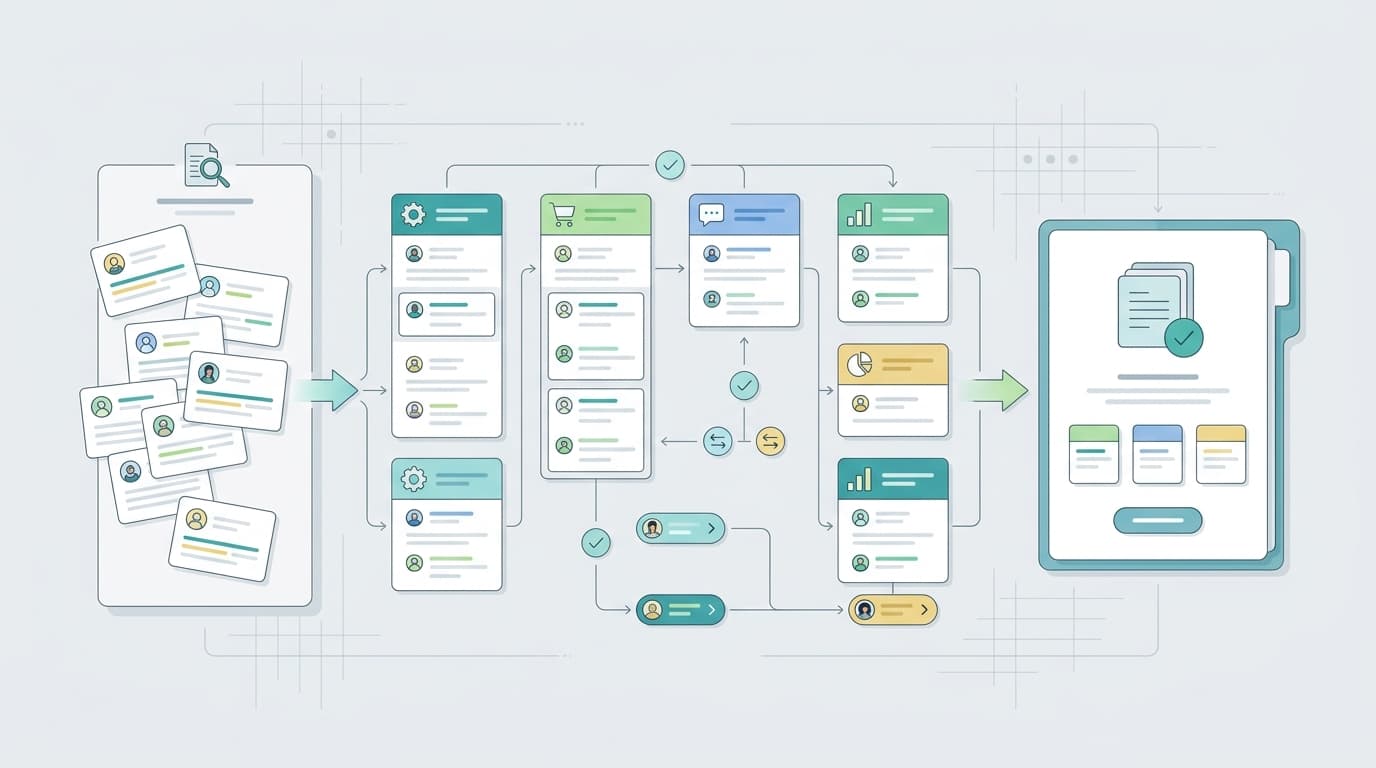
The best Amazon review analysis tool depends on the job: mining buyer pain points, monitoring your own reviews, comparing competitors, requesting reviews, or turning sentiment into product decisions. Amazon provides a native Customer Reviews tool for eligible sellers, while third-party tools add deeper review mining, competitor intelligence, dashboards, and AI summarization. Use this comparison to choose the right stack without treating every tool as the same category.
Quick comparison
Tool | Best for | Pricing signal |
AI review mining, buyer language, competitor gaps | Free trial,Pro $99/Month | |
All-in-one Amazon seller suite with Listing Review Insights | Platinum listed at $129 monthly or $99/mo billed yearly; Diamond at $359 monthly or $279/mo billed yearly | |
Product research and competitive intelligence | Catalyst and Cobalt plans; additional seats shown at $49/month per seat | |
Seller analytics, listing quality, PPC and insights | Freemium $0; Pro starts at $99/month; Smart starts at $149/month | |
Review requests, order and feedback workflows | Starter $20/month; other module pricing varies by plan and product count | |
Native review tracking and response for Brand Registry sellers | Included with eligible Professional selling account access |
What Is an Amazon Review Analysis Tool?
An Amazon review analysis tool helps sellers collect, organize, and interpret customer reviews at scale. Instead of reading hundreds or thousands of reviews manually, sellers can use analysis software to identify repeated complaints, positive themes, sentiment trends, and product improvement opportunities.
Amazon explains that customer reviews and star ratings help shoppers evaluate products, and that ratings may account for factors such as recency and authenticity signals. That makes review analysis important for sellers too: reviews are not just feedback, they are customer evidence.
What Makes the Best Amazon Review Analysis Tool?
Sentiment Analysis
Sentiment analysis helps sellers understand whether customers feel positive, negative, or neutral about specific product features.
A product may have a strong overall rating but still show negative sentiment around packaging, sizing, durability, setup, or customer support. The best Amazon review analysis tool should break sentiment down by theme, not just show one overall score.
Review Theme Clustering
Theme clustering groups related reviews into practical categories.
Useful clusters may include:
- Quality issues
- Durability complaints
- Sizing problems
- Packaging damage
- Missing parts
- Setup confusion
- Compatibility issues
- Positive feature mentions
- Customer service feedback
This matters because “bad quality” is too vague. Sellers need to know whether buyers complain about a zipper, battery, lid, fabric, cable, smell, fit, or instruction manual.
Competitor Review Analysis
Competitor reviews can reveal gaps before sellers invest in product changes. Buyers often describe what they expected from a product and why a competing product failed.
A strong review analysis workflow should help sellers compare their ASINs against competitor ASINs and identify:
- Common competitor complaints
- Differentiation opportunities
- Product gaps
- Listing mismatch problems
- Repeated buyer objections
- Feature requests
For deeper competitor workflows, VOC AI’s guide to Amazon competitor analysis tools is a useful internal resource.
Source Preservation
Review analysis should stay connected to the original reviews. A summary is useful, but sellers need to verify important findings before changing a listing or product.
Look for tools that preserve:
- Original review text
- Star rating
- Review date
- Product variation
- Review source
- ASIN context
- Evidence phrases
This prevents teams from acting on a vague AI summary without checking the source.
Negative Review Monitoring
Negative reviews are early warning signals. They may point to defects, shipping issues, unclear instructions, listing mismatch, or support failures.
A useful tool should help sellers identify negative review patterns quickly. VOC AI’s guide on how to handle Amazon negative reviews explains how negative review monitoring can become a recurring seller workflow instead of a manual check.
Best Amazon Review Analysis Tools
1. VOC AI
Choose VOC AI when your main question is "what do Amazon shoppers actually want?" Its official site positions the product around product gaps, brand monitoring, and competitor intelligence. That makes it strongest for review mining, theme discovery, buyer language, and competitive review analysis. It is a better fit for teams that need repeatable insight workflows than for sellers who only need a one-time export.
2. Helium 10
Helium 10 is an all-in-one seller suite. Its pricing page lists product research, operations, analytics, listing optimization, and a feature called Listing Review Insights. The public pricing page shows Platinum and Diamond self-serve tiers and an Enterprise starting price, so it is best for sellers who want review insights inside a broader Amazon operations toolkit rather than a standalone review lab.
3. Jungle Scout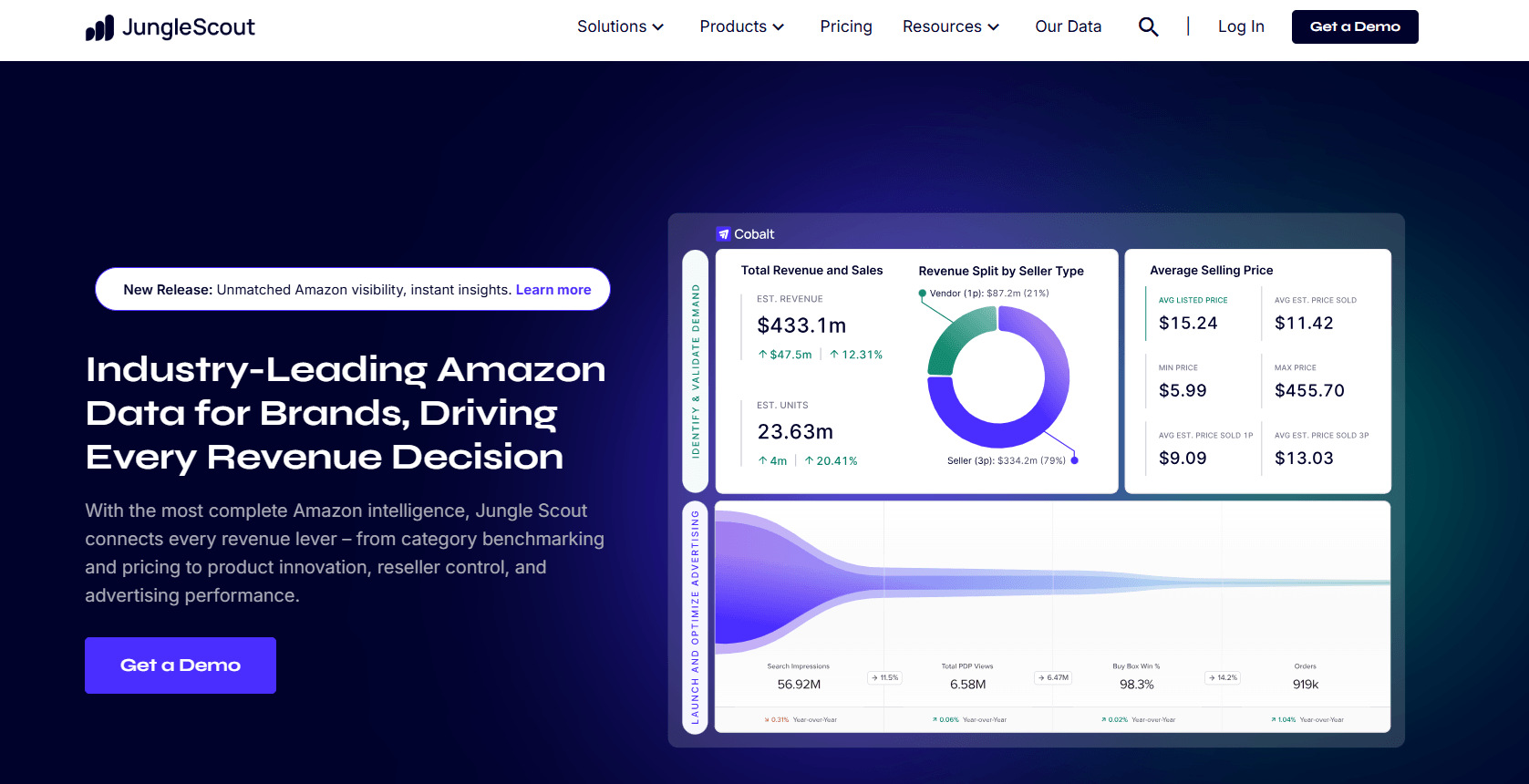
Jungle Scout is best known for product research, launches, and competitive intelligence. Its pricing page separates Catalyst for smaller and scaling sellers from Cobalt for established brands and agencies, with Cobalt positioned for larger ASIN tracking and market-level analytics. It is useful when review analysis is part of product opportunity research rather than the only workflow.
4. SellerApp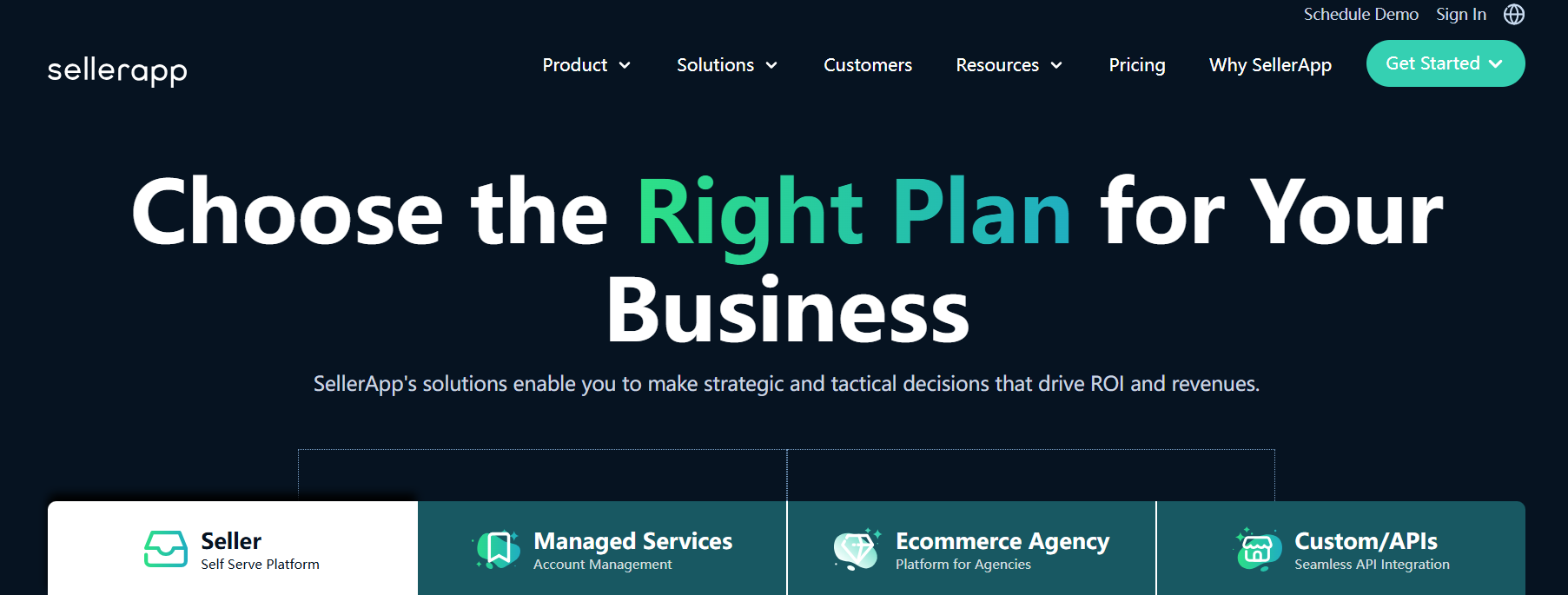
SellerApp combines product intelligence, listing quality, PPC insights, and automation. Its pricing page lists a freemium plan, a Pro plan starting at $99 per month, and a Smart plan starting at $149 per month. Consider it when review analysis needs to sit next to PPC and listing optimization workflows.
5. FeedbackWhiz
FeedbackWhiz is less of a review mining platform and more of an operations tool for email, review requests, order management, and feedback workflows. Its pricing page lists Starter, Basic, Professional, and Ultimate tiers. It is a good fit if your bottleneck is review request operations and support visibility rather than competitor product discovery.
6. Amazon Customer Reviews tool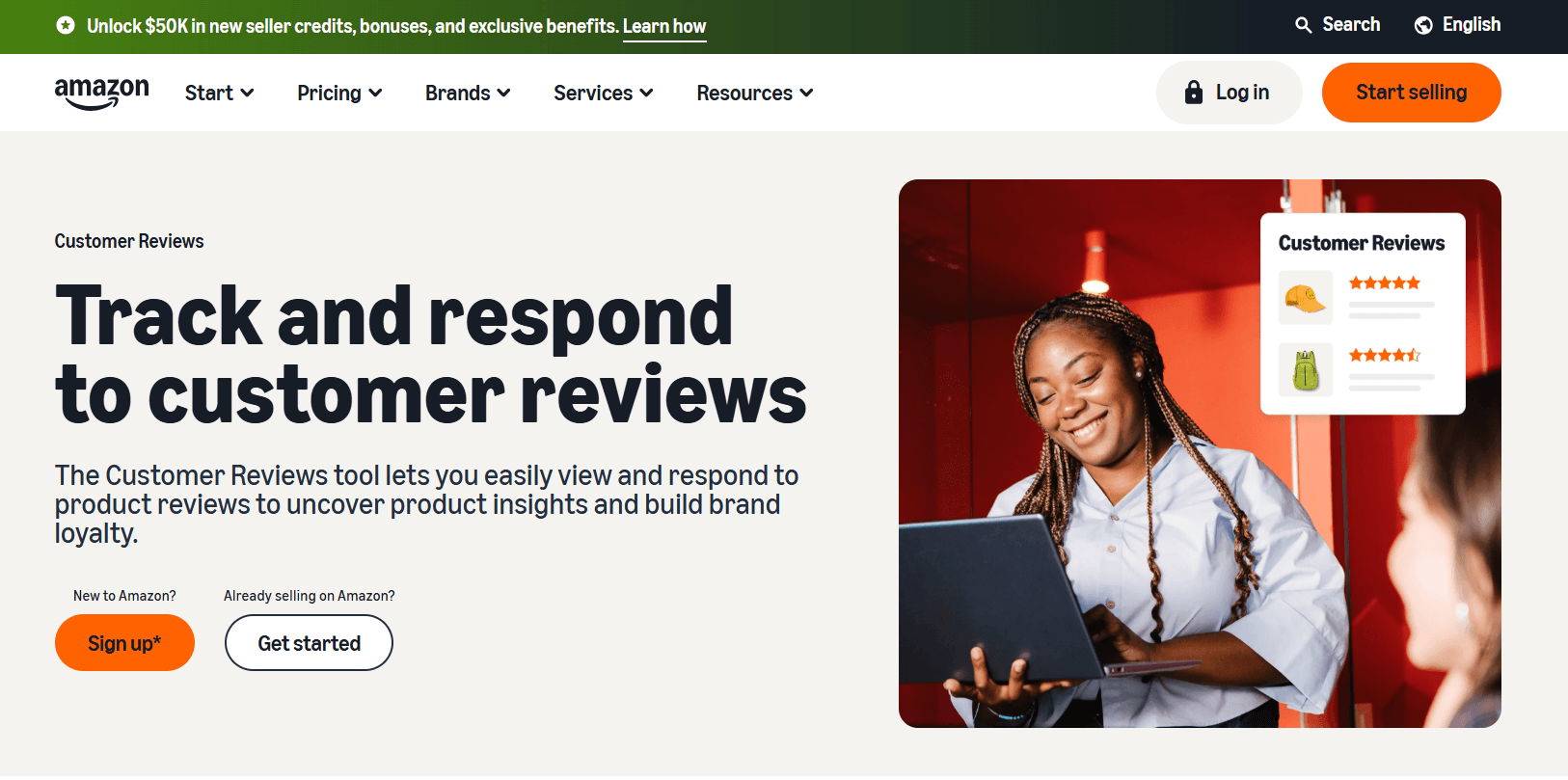
Amazon's native tool is the first place eligible brands should check. Amazon says Brand Registry representatives with a Professional selling account can track reviews, filter by star rating and time period, respond to concerns on low-star ratings, and use review feedback for product insights. It will not replace competitor analysis, but it is the compliance baseline for your own catalog.
How to Choose the Best Amazon Review Analysis Tool
Match the Tool to Your Workflow
Choose based on what the seller actually needs to do.
If the goal is a quick trust check, a review reliability tool may be enough.
If the goal is product improvement, choose a tool that can cluster themes and preserve buyer language.
If the goal is competitor analysis, choose a tool that compares multiple ASINs.
If the goal is ongoing brand monitoring, choose a tool with alerts, dashboards, and negative review workflows.
Check Review Volume
A seller with 50 reviews has different needs from a seller managing 50,000 reviews across multiple ASINs.
For small volumes, manual analysis or lightweight tools may work.
For large catalogs, a platform such as VOC AI is more practical because it is designed around structured review intelligence and repeatable seller workflows.
Look for Actionable Output
A good review analysis tool should not only say “customers are unhappy.” It should help answer:
- What exactly are customers unhappy about?
- Which review phrases prove it?
- Which ASIN or variation is affected?
- Which team should investigate?
- What action should be taken next?
The best output connects review insights to product, listing, support, and brand decisions.
Verify Compliance
Amazon reviews should be used to understand real customer feedback, not to manipulate ratings or create fake testimonials.
The FTC final rule on fake reviews and testimonials bans fake or false consumer reviews and testimonials. Sellers should avoid tools or workflows that encourage fake review generation, review manipulation, or misleading claims.
How VOC AI Fits Into Amazon Review Analysis
VOC AI is most relevant when sellers need to move beyond review reading and turn customer language into business decisions.
A seller can use VOC AI to:
- Analyze review sentiment
- Compare competitor complaints
- Identify product weaknesses
- Extract buyer language
- Monitor negative reviews
- Improve listing copy
- Support product research
- Build customer insight reports
VOC AI’s Amazon product research tools guide connects review analysis to product validation, while its listing optimization tools guide shows how customer feedback can inform listing improvements.
This is the natural role for VOC AI: helping Amazon sellers turn review data into product, listing, and customer experience decisions.
Common Mistakes When Using Amazon Review Analysis Tools
Treating Star Ratings as the Full Story
Star ratings are useful, but they do not explain why customers feel the way they do.
A 4-star review may contain an important complaint. A 1-star review may reveal a logistics problem instead of a product defect. Sellers need review text, not only ratings.
Overreacting to One Review
A single negative review may be painful, but it should not automatically drive a product change.
Look for repeat patterns, recent shifts, and evidence across multiple reviews before prioritizing action.
Ignoring Competitor Reviews
Competitor reviews can reveal unmet needs in the market. If several competing products receive the same complaint, a seller may have an opportunity to solve that issue better.
Losing the Source Context
AI summaries can be useful, but they should remain connected to the source reviews.
Before changing a product, listing, or support policy, verify the original review text.
Confusing Fake Review Detection With Review Analysis
Fake review detection and review analysis are not the same job.
Fake review detection focuses on trust signals. Review analysis focuses on what legitimate customers say and how sellers can act on it.
FAQ
What is an Amazon review analysis tool?
It is software that helps sellers collect, segment, summarize, and act on customer review data. Common outputs include complaint themes, sentiment, buyer language, competitor gaps, and support follow-up priorities.
Which Amazon review analysis tool is best for competitor research?
VOC AI, Helium 10, and Jungle Scout are stronger choices for competitor research because they connect review insight with product and market intelligence.
Can I use Amazon Seller Central alone?
Yes for your own eligible Brand Registry reviews. Seller Central is not enough if you need competitor review mining, cross-ASIN dashboards, or automated theme extraction.
Do these tools detect fake reviews?
Some tools surface suspicious review patterns, but sellers should treat that as a risk signal, not a final legal or marketplace conclusion.
How often should sellers analyze reviews?
Review high-volume ASINs weekly, after major traffic events, and after product or listing changes. Lower-volume products can usually be reviewed monthly.