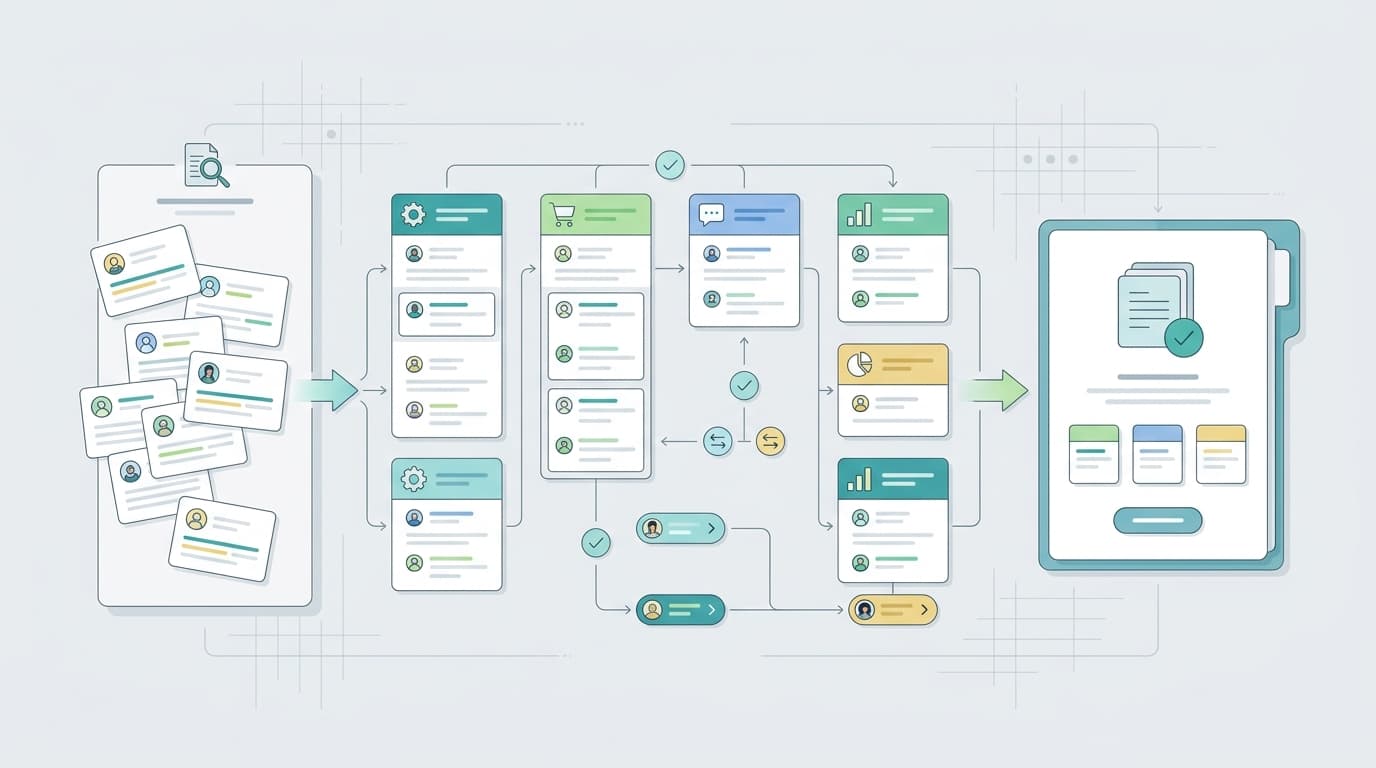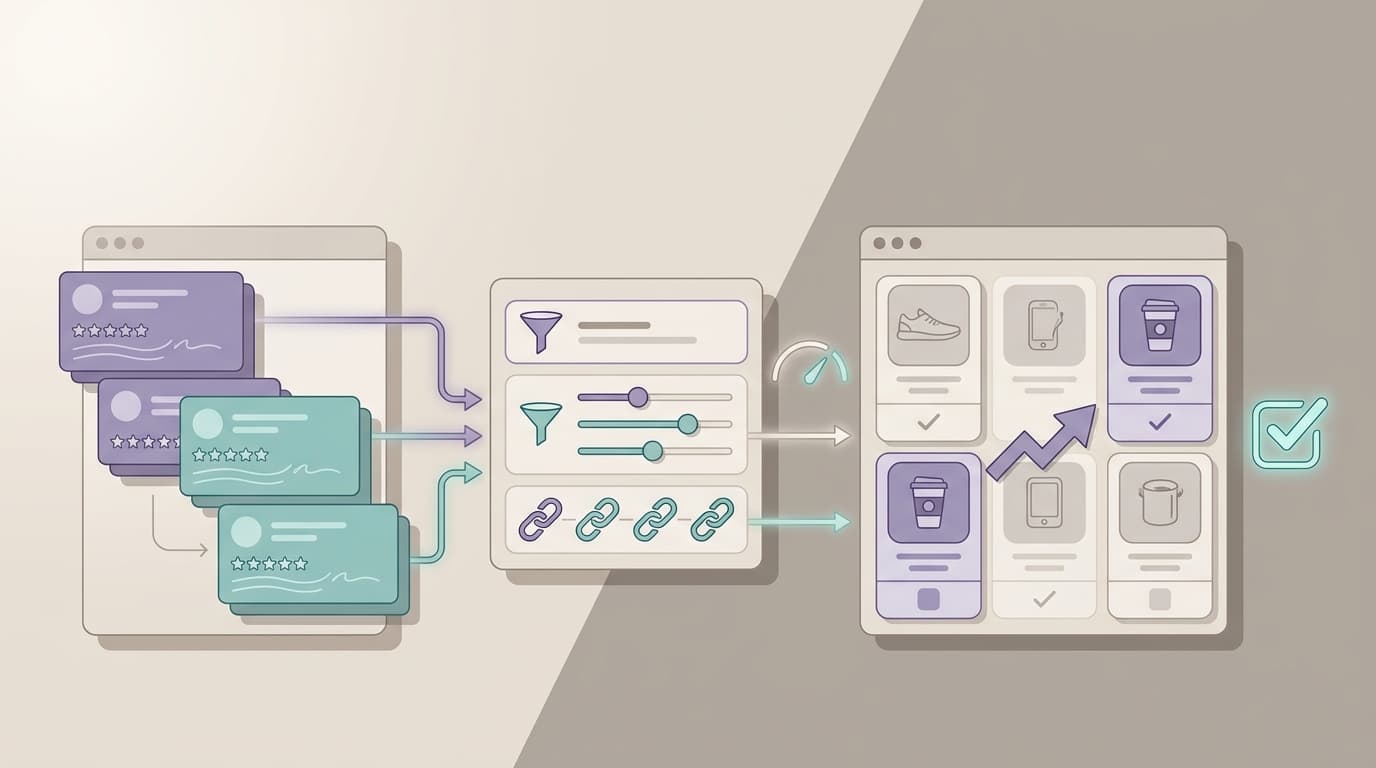
Ecommerce social listening tools help brands understand what shoppers, creators, reviewers, and competitors are saying outside the product detail page. For ecommerce teams, the category is broader than brand mentions. It can include marketplace reviews, social comments, TikTok Shop content, support complaints, influencer reactions, competitor launches, and reputation risks that move quickly.
This buyer scorecard focuses on ecommerce use cases rather than generic social media monitoring. The right tool should help a team connect public conversation to product, listing, customer support, and brand decisions. A dashboard full of mentions is not enough if nobody can tell which signal deserves action.
TL;DR
| Tool question | What to evaluate |
|---|---|
| Channel fit | Can the tool monitor the social, marketplace, review, and creator channels that affect your buyers? |
| Signal quality | Does it separate noise from repeated themes, urgent complaints, and competitor movement? |
| Team action | Can alerts be routed to product, support, brand, marketplace, or social teams? |
| Commerce context | Can the team connect mentions to SKUs, ASINs, product lines, campaigns, or sellers? |
| Best stack | Most ecommerce teams need social listening plus review intelligence, not one generic feed. |
What Makes Social Listening Different for Ecommerce
Ecommerce listening is product-specific. A brand mention may matter less than a repeated complaint about sizing, shipping, packaging, counterfeit concerns, or a creator video that misrepresents a product. Teams need to know which product is affected, where the conversation is happening, whether it is spreading, and who should respond.
That is why ecommerce teams should evaluate tools differently from corporate communications teams. A general brand sentiment chart may be useful, but it will not help if the team cannot connect a complaint to a marketplace listing, product variant, support issue, or campaign. Commerce context turns listening into operational insight.
Score Tools by Signal Source
Different tools are strong in different places. Some are built for broad social monitoring, some for influencer and creator visibility, some for review and marketplace intelligence, and some for customer care. The best choice depends on where your buyers complain, compare, and recommend products.
| Tool type | Best for | Evaluation note |
|---|---|---|
| Social mention platforms | Brand mentions, campaign tracking, and sentiment across public social channels. | Check filtering depth and whether ecommerce product mapping is possible. |
| Review intelligence platforms | Post-purchase feedback, rating movement, and product-level complaint themes. | Use when marketplace reviews are a core buyer signal. |
| Creator monitoring tools | TikTok, Instagram, YouTube, and affiliate content that can shift demand quickly. | Check whether content can be tied to SKU or product claims. |
| Customer care suites | Routing public complaints into support processes. | Useful when response speed and ownership matter more than research depth. |
Ecommerce social listening should be evaluated against real commerce behavior, not only brand buzz. The International Trade Administration's overview of ecommerce is a useful government source because it frames online selling as a cross-border, platform, logistics, and customer-experience system. For social listening tools, that means the strongest use case is not just finding mentions. It is connecting mentions to products, channels, reviews, campaigns, and operational owners.
During tool selection, test whether the platform can answer a commerce question. Can it separate a creator-driven spike from a support complaint? Can it connect a social comment to a marketplace review theme? Can it route a recurring issue to product, support, or brand teams? If a tool only shows volume and sentiment, it may still be useful for communications, but ecommerce teams also need a link to brand reputation monitoring and post-purchase review analysis.
Compare the 9 Tool Options by Job
A practical shortlist can include tools such as Brandwatch, Talkwalker, Sprout Social, Hootsuite, Meltwater, Mention, Brand24, Awario, and VOC AI, but the list should be organized by job rather than brand name. One team may need enterprise social coverage. Another may need a lightweight mention tracker. A marketplace-first seller may need stronger review intelligence than social volume.
During evaluation, test the same product or campaign across tools. Ask whether the tool finds relevant mentions, removes spam, groups repeated complaints, exports evidence, and routes alerts. Pricing pages and demos can show features, but only a real product test shows whether the tool understands your ecommerce signal environment.
Connect Mentions to Product and Marketplace Decisions
Listening only becomes useful when it changes a decision. A product team may need repeated defect language. A support team may need urgent complaints. A brand team may need creator content that misstates a claim. A marketplace team may need counterfeit or unauthorized seller mentions. Each signal should move to the owner who can act.
This is also where review data matters. Social comments can show early buzz or frustration, but marketplace reviews show verified post-purchase experience in more detail. Ecommerce brands should connect both views when assessing reputation, product quality, and listing accuracy. The strongest stack avoids separating social conversation from buyer outcomes.
Use Listening to Catch Reputation Risk Early
Reputation risk often begins as a small cluster. A creator misunderstands a product, a shipping issue appears in comments, a marketplace review theme spreads, or a competitor claim starts shaping buyer expectations. Social listening helps teams see these signals before they become a rating or conversion problem.
VOC AI can add the review intelligence layer to a social listening stack. Ecommerce teams can use it to understand the customer voice behind marketplace reviews while other tools monitor broader social conversation. Together, those signals help teams see what shoppers say before purchase and what buyers report after purchase.
Tool buyers should also check how well a platform preserves evidence. Ecommerce teams often need to show the original post, review, comment, creator claim, product, campaign, timestamp, and follow-up owner. A sentiment summary without examples is hard to act on and hard to defend internally. This is why social listening, marketplace review analysis, and TikTok Shop brand monitoring should share enough context for teams to trace a signal back to the product or campaign that caused it.
For ecommerce teams, the best tool is often the one that shortens the path from signal to owner. A platform that finds fewer but more relevant product-level issues can be more valuable than one that captures every mention. Evaluation should therefore include a trial using real products, not only a feature checklist.
FAQ
What makes a social listening tool ecommerce-ready? It should connect conversation to products, SKUs, marketplaces, campaigns, and owners. General sentiment is useful, but ecommerce teams need to know which product or buying experience created the signal.
Should ecommerce teams monitor reviews and social together? Yes. Social comments often show expectations before purchase, while reviews show experience after purchase. Comparing both views helps teams distinguish buzz, confusion, product defects, and reputation risk.
How many channels should a tool monitor? Monitor the channels that influence your buyers. A smaller set of relevant marketplaces, social platforms, creator channels, and review sources is more useful than broad coverage filled with noise.
What should an alert include? An alert should include the product or campaign, source, signal type, severity, example comments, owner, and next action. Without that context, alerts quickly become another noisy inbox.
When is a lightweight tool enough? A lightweight tool may be enough when the brand has a narrow product line, low mention volume, and simple routing needs. Larger teams usually need stronger filtering, reporting, ownership, and review integration.