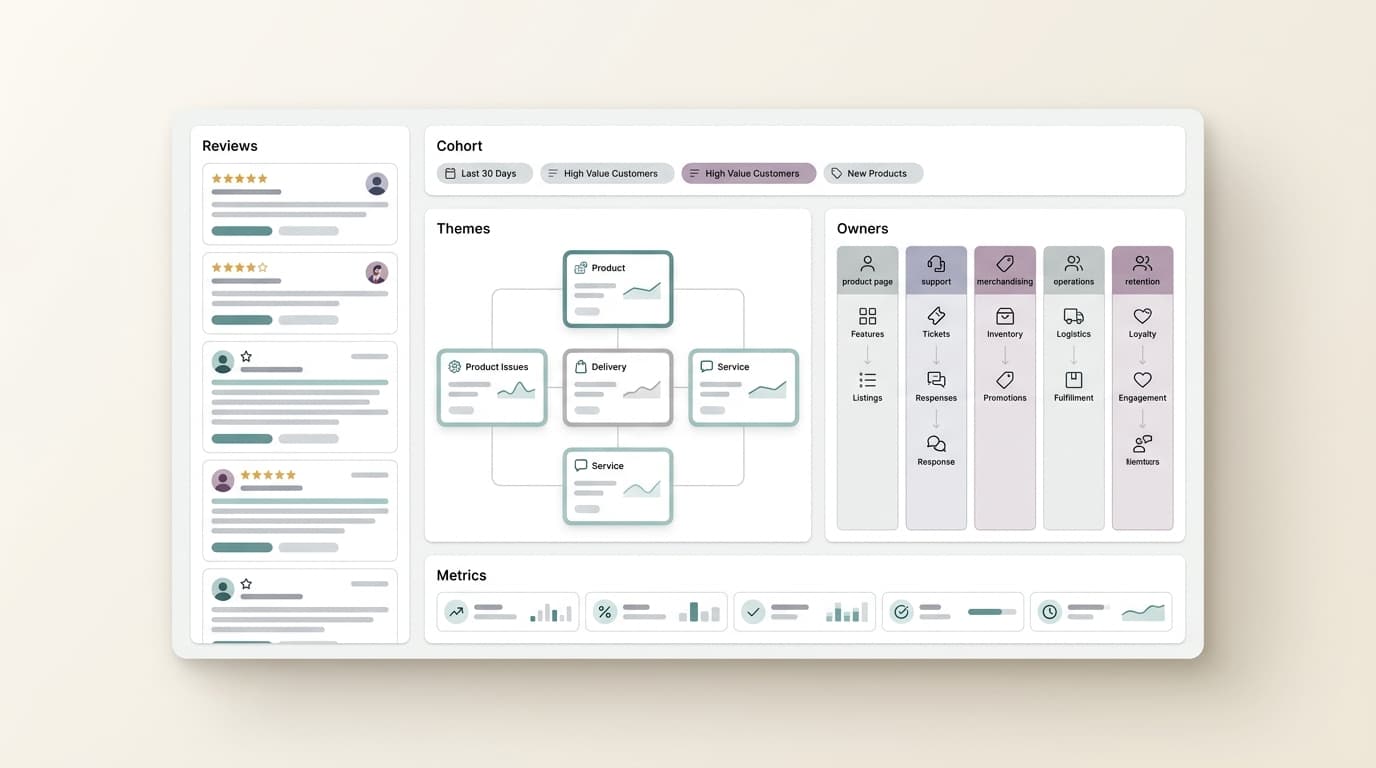
Rapid digital transformation and evolving consumer preferences are redrawing the boundaries of the e-commerce market in 2025. Entrepreneurs are continually challenged to identify product opportunities capable of fueling growth amid rising competitive pressure. Central to this pursuit is finding products that occupy the coveted space of “high demand, low competition.” Recognizing these niches yields significant benefits: faster growth, higher margins, and formidable brand recognition. Staying attuned to market data, emergent trends, and consumer behavior is fundamental to discovering these opportunities and building businesses capable of thriving in an increasingly saturated landscape.
Understanding "High Demand, Low Competition"
Key Definitions and Significance
High demand denotes products with persistent and robust consumer interest—these are validated by search volumes, sales data, and market research insights. Conversely, low competition refers to categories with relatively few established sellers, suboptimal market players, or spaces ripe for innovation. The intersection of strong demand and a more navigable competitive field is where entrepreneurs can secure market share with reduced resistance, yielding improved profit margins and expedited growth.
Metrics for Identification
· Search Volume & Trends: Track using platforms like Google Keyword Planner or SEMrush.
· Competitor Saturation: Count the number of established brands and analyze their weaknesses, such as product diversity, reviews, or marketing efficacy.
· Market Share Analysis: Gauge the distribution of sales among competitors.
· Innovation & Differentiation: Consider categories that exhibit limited innovation but show growing interest.
Identifying high demand, low competition categories allows businesses to scale rapidly while sustaining their differential advantage.
Market Trends Shaping 2025
The landscape of e-commerce is being shaped by transformative trends that signal both opportunities and challenges. Entrepreneurs should align their product discovery and selection strategies with these underlying market currents.
Sustainability & Eco-Consciousness
Consumers are increasingly aligning purchases with environmental values. Products utilizing recycled materials, biodegradable packaging, or ethical sourcing methods are seeing surging interest, particularly among Millennials and Gen Z. Brands championing transparency and eco-driven missions are expanding their market share.
Personalization & Customization
Technology is empowering a wave of tailored solutions, from AI-driven recommendations to customizable physical goods. Personalized skincare, dietary supplements, or even home décor are outperforming generic offerings. This movement is enabling niche segmentation, often resulting in reduced competition if brands can cater to unique requirements.
Health & Wellness
A sustained emphasis on holistic health drives demand for supplements, fitness technology, nutritious foods, and mental wellness products. Even as the pandemic’s immediate effects wane, consumer commitment to proactive well-being persists.
Convenience & Efficiency
Subscription services, smart devices, and products that streamline routine tasks are highly coveted. Seamless e-commerce experiences, one-click purchasing, and fast fulfillment are becoming baseline expectations, escalating the value of time-saving product categories.
Metaverse and Virtual Goods
Digital ecosystems continue to expand. Consumers are investing in virtual clothing, accessories, and digital collectibles. As VR and AR adoption accelerates, possibilities for product innovation in the digital realm follow.
Social Commerce
Platforms like Instagram, TikTok, and Facebook have matured into robust sales channels. Product discovery and engagement are happening in-feed, driven by influencer recommendations and viral trends. Brands that capitalize on social commerce often witness disproportionate returns on innovative or visually engaging products.
Data-Driven Insights: E-commerce Sales and Market Share
Global Sales Trajectory
Statista projects a 10% global growth in e-commerce sales for 2024, highlighting fast-emerging hotspots and reinforcing the sector’s dynamism. However, growth is uneven—certain categories outpace the overall market, while others plateau amid saturation.
Category Market Shares and Competition
· Electronics & Media: Retains significant market share but is dense with competition and lean margins due to established giants.
· Fashion & Apparel: Vast demand, fast-moving trends, but high entry barriers for new brands due to established incumbents.
· Food & Personal Care: Riding wellness trends, this segment sees innovation in functionality and traceable sourcing.
· Furniture & Appliances: Growth fuelled by remote work, but costly logistics and entrenched brands heighten entry hurdles.
· Toys, Hobby & DIY: Stable performers; niche subcategories within these sectors, such as specialty crafting, often present less saturation.
Emerging High-Growth Categories
Sustainability-driven niches, personalized and wellness products, and technology-aided lifestyle solutions dominate above-average growth projections.
Methodologies for Market Opportunity Identification
Distinguishing lucrative products requires rigorous research, the thoughtful use of digital tools, and iterative validation.
Comprehensive Keyword Research
Employ platforms like Ahrefs, Ubersuggest, or Google Trends to unearth high-volume, low-competition long-tail search phrases—signals of unmet consumer demand. Focus on trending searches and emerging vocabulary to spot fresh opportunities.
Competitive Landscape Analysis
· Analyze competitors’ strengths/weaknesses via reviews, product listings, or pricing models.
· Identify underserved market gaps or pain points.
· Benchmark innovation levels in shortlists of interest.
Trend Monitoring
Monitor industry publications, influencer activity, and sector trade reports. Use Brandwatch or Hootsuite Insights for real-time social listening. This exposes unmet or emerging consumer needs.
Direct Customer Feedback
Customer surveys, focus groups, and post-purchase reviews clarify what current offerings lack. Early feedback can inform product iterations and validate demand.
E-commerce Platform Mining
Explore trending sections on Amazon, Etsy, and Shopify. Analyze bestsellers, their review profiles, and recurring complaints. Identify which attributes (e.g., eco-friendly, customizable) consistently receive positive feedback.
Supplier & Manufacturing Insights
Tap into directories and B2B marketplaces such as Alibaba to spot products not yet saturated in target markets. Assess supplier reliability, production scalability, and the uniqueness of offerings.
High Demand, Low Competition Product Opportunities for 2025
Concrete product examples, drawn from the intersection of trend analysis and market research, provide actionable entry points for both new and established sellers.
Sustainable Home Cleaning Products
Consumers are eager for cleaning products featuring biodegradable ingredients, refillable containers, and innovative branding. Despite competition from legacy brands, many have yet to innovate meaningfully in this area. Opportunities exist for differentiation through performance claims, scent profiles, or packaging innovations.
Personalized Skincare
The skincare sector is booming, with a surge in demand for bespoke formulations tailored to individual skin types and concerns. Brands leveraging AI diagnostics, online consultations, or sample-based subscriptions can carve defensible market niches.
Ergonomic Home Office Accessories
The normalization of remote work continues to drive demand for adjustable furniture, supportive chairs, and clever cable-management solutions. Products specifically serving home-based entrepreneurs, those with disabilities, or small-space dwellers can find less congested high-demand pockets.
Niche Subscription Boxes
Curation tailored to passions—be it gourmet teas, rare seeds, or local artisan goods—delivers unique experiences and builds recurring revenue. Less competition exists in hyper-focused or region-specific interest boxes.
Smart Home Security Systems with Enhanced Privacy
Concerns about data security and surveillance are creating space for privacy-first smart security products. Innovations focusing on encryption, offline storage, and modular user controls resonate with tech-savvy, privacy-conscious consumers who are underserved by mainstream providers.
Specialized Pet Products
Pet owners are increasingly investing in specialized solutions—ranging from anxiety-reducing toys to breed-specific nutrition. Targeting long-tail needs (e.g., solutions for aging pets or animals with allergies) reduces competition and capitalizes on strong owner affinity.
DIY Craft Kits for Adults
Crafting is resurging among adults seeking leisure or mindfulness activities. Kits combining high-quality materials, unique project choices, and robust digital/print tutorials outperform generics.
VR Fitness Equipment
Fitness tech is merging with immersive entertainment. Products like VR-compatible stationary bikes or resistance trainers leveraging gaming elements are in demand, particularly when they offer unique integrations or community features.
High Demand Products with Low Competition in the USA: Targeted Analysis
The US market, while advanced, harbors distinct opportunities driven by shifting demographics and distributed demand.
Senior-Focused Health and Mobility Solutions
An aging demographic catalyzes growth in categories like adaptive aids, ergonomic home modifications, and digital health tracking tailored to older adults. Companies addressing independent living, chronic condition management, or smart medication systems find receptive markets with limited saturation.
Remote Work and Gig Economy Enablement
As freelancing and remote setups expand, there’s increased demand for portable tech accessories, mobile workstations, and collaboration software tailored for non-traditional workers. Niche-in products, e.g., gear optimized for field professionals or gig workers, face less direct rivalry than generic office products.
Mental Health & Mindfulness Tools
From mindfulness apps to sensory comfort items, the need for products supporting well-being and emotional health continues to gain traction. Specialized offerings, such as solutions for neurodivergent individuals or guided therapeutic devices, privilege differentiation over brute competition.
Sustainability & Ethical Sourcing
Conscientious American consumers increasingly favor brands demonstrating clear commitments to sustainability, fair trade, and social impact. Opportunities abound in categories underserved by established brands—e.g., compostable home goods, ethically-sourced personal care, or transparency-led apparel.
Rural E-commerce Solutions
E-commerce’s expansion into rural areas enables targeting underserved customer segments, including products difficult to source locally or home delivery services unconstrained by urban infrastructure.
Table: Niche Product Categories with High US Demand and Low Competition
A | B | C |
1 | Adaptive Clothing | Easy-closure, stylish apparel designed for people with disabilities or limited mobility, emphasizing independence and comfort.
2 | Specialized Pet Foods | Breed- or condition-specific formulas reducing allergens and targeting unique health requirements for pets.
3 | Local Artisan Subscription Boxes | Curated, regionally-focused bundles supporting local makers and delivering unique handcrafted goods each month.
Launching and Scaling: Proven Strategies for Success
Recognizing a product opportunity is not enough—execution determines the realization of potential.
Brand Identity & Differentiation
Strong, authentic branding—comprising compelling storytelling, memorable design, and transparent values—builds recognition and customer affinity. A differentiated brand helps withstand competition and enables premium pricing.
User-First Web Experience
A seamless, mobile-optimized, visually appealing website encourages browsing and conversion. Fast-loading pages, intuitive navigation, secure payments, and transparent policies cement consumer trust and retention.
Search Engine Optimization (SEO)
Map product listings to consumer search intent; use targeted, relevant keywords in titles, descriptions, meta tags, and image alt text. Regularly refresh content and pursue ethical backlink strategies to strengthen organic visibility.
Social Proof & Influencer Collaboration
Leverage genuine reviews, testimonials, and micro-influencer partnerships to boost credibility and amplify product awareness. Social strategies should emphasize education, user-generated content, and shared values.
Outstanding Customer Support
Prompt, multi-channel support—spanning email, chat, phone, and social—drives loyalty, reduces churn, and generates advocacy. Implement feedback loops and CRM tools to personalize outreach and respond proactively to emerging concerns.
Agile Inventory & Supply Chain Management
Utilize lean inventory practices—relying on just-in-time restocking, robust demand forecasting, and scalable logistics partners. Diversify suppliers to mitigate disruption risk; establish transparent return and refund policies to maintain satisfaction.
Continuous Data-Driven Iteration
Analyze performance data, segment customer behaviors, and refine marketing and product strategies accordingly. A/B testing, cohort analyses, and attribution tracking are essential for optimizing resource allocation and maximizing ROI.
Niche Down for Lasting Advantage
Rather than dilute brand focus, further segment offerings to address hyper-specific needs. For example, instead of selling generic pet supplies, market “organic grain-free dog foods for small breeds with allergies.” This sharpens the brand’s value proposition and reduces direct competition.
Brand Case Insights: Building Enduring Loyalty and Advantage
The Role of Brand in Product Differentiation
Brand strategy transcends visual identity; it’s about weaving values and consistent, high-quality experiences into every interaction. Case studies across industries reveal that:
· Consistent branding drives up to 23% higher revenue than inconsistent peers (Lucidpress).
· Brands that actively nurture communities enjoy higher retention and organic growth.
Successful brands are investing in:
· Product quality assurance (durability, superior design).
· Responsive and empathetic customer service.
· Data-informed marketing, with a bias toward authentic engagement over one-size-fits-all advertising.
· Partnerships with credible influencers and complementing businesses, amplifying reach and trust.
Brand Value Proposition and Market Leadership
Brands leading in “high demand, low competition” spheres employ three levers:
1. Rigorous data-driven market identification and ongoing monitoring.
2. Product innovation that addresses unique pain points or customizes the offer beyond mainstream limitations.
3. Brand trust-building through transparency, reliability, and social responsibility.
In measuring impact, successful brands have reported:
· Significant year-on-year sales increases driven by recurring customers.
· Reductions in customer acquisition cost due to improved organic and direct referrals.
· Increased market share through targeted, margin-strong, and repeat-purchase product categories.
Methods for Sustaining Brand Advantage
· Continually invest in product R&D and feedback-driven improvement.
· Expand digital marketing footprints—explore novel channels as consumer preferences fluctuate.
· Reinforce the brand’s core values at every customer touchpoint to build emotional engagement.
E-commerce Risk Management: Safeguarding Growth and Innovation
Mastering Inventory Management
Overstocking ties up working capital; understocking results in lost sales and eroded consumer confidence. Employ predictive analytics, segmented inventory strategies, safety stocks for top sellers, and regular audits to optimize holdings. Data from McKinsey indicates that advanced forecasting can reduce stockouts by 10-20% and cut obsolete stock rates significantly.
Strengthening Supply Chain Resilience
Supplier diversification protects against economic, political, or environmental disruptions. Vet all partners, negotiate favorable terms, and require routine quality checks. Robust logistics strategies, including dynamic shipping models and end-to-end tracking, ensure reliability—key for retaining customers and reducing costly delays.
Reducing Competitive Exposure
Mitigate competition risks via:
· Careful market and competitor analysis.
· Differentiated offerings tightly aligned to evolving consumer desires.
· Niche marketing initiatives and brand community building.
Adopt an agile approach—continually monitor, adjust, and refine to adapt before the market shifts. Remember that sustainable success comes from proactive adaptability, not reactive position.
Table: Top 3 E-commerce Risk Mitigation Solutions
A | B |
Diversified Supply Networks | Multi-sourcing reduces dependency and shields against disruptions. |
Predictive Inventory Systems | Data-driven forecasting minimizes stockouts/overages and optimizes cash flow. |
Niche Product Focus | Lower competition in targeted segments reduces risk and enhances brand position. |
Conclusion: Accelerating Towards 2025 E-commerce Success
Unlocking high growth in 2025 demands more than inspiration—it requires relentless market research, factual trend analysis, and intentional execution. Entrepreneurs who prioritize:
· Rigorous market exploration: Validate both the opportunity and competitive landscape.
· Focused innovation: Solve specific consumer needs with novel, customizable, and sustainable products.
· Brand building: Craft lasting relationships anchored in trust, consistency, and outstanding service.
· Agile risk management: Preemptively address operational and market vulnerabilities.
will stand at the forefront of e-commerce’s next evolution. The future belongs to those who anticipate shifts, champion consumer-centricity, and iterate with data-driven resolve. Start today by refining your methods, deepening your understanding, and confidently launching the next generation of high-demand, low-competition products destined to leave a mark in 2025 and beyond.
Disclaimer: This guide is intended for educational purposes. All business decisions require independent research and expert consultation tailored to your specific circumstances.