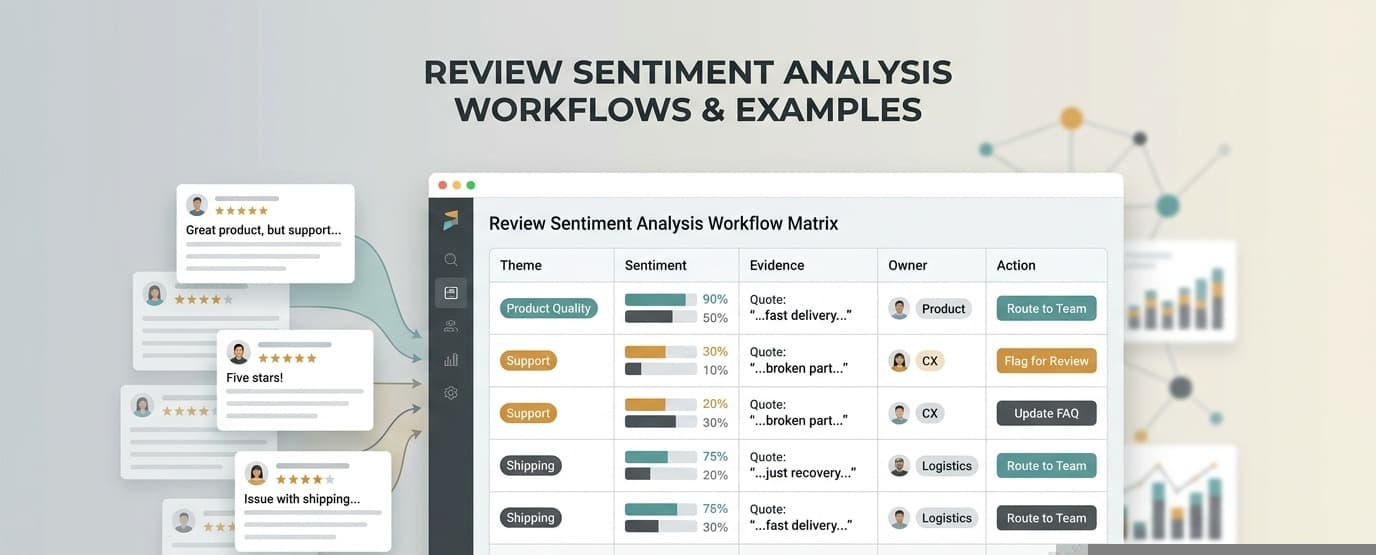
While most sellers are obsessed with "romantic aesthetics," one smart merchant looked deeper into the data. They discovered a recurring complaint: "The cards are as thin as cicada wings." By simply increasing the paper weight, their product ranking skyrocketed within a single week.
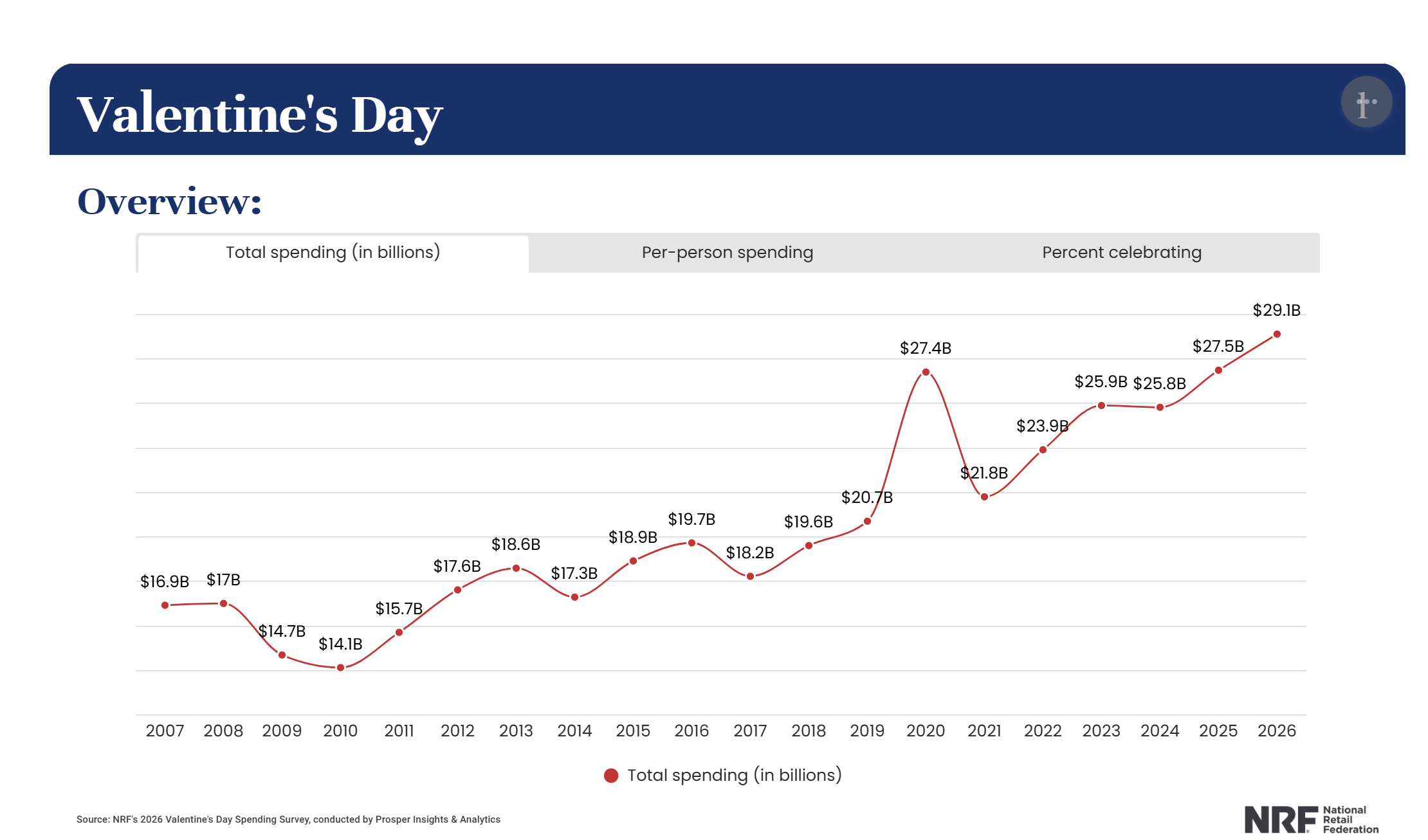
As we approach the final sprint for Valentine’s Day 2026, the National Retail Federation (NRF) predicts record-breaking spending. With total spending forecasted to reach $29.1 billion, the pie is bigger than ever, but so is the noise. To stand out, you don't need a hundred new SKUs; you need one precision strike.
In a crowded market, the real opportunity isn't just creating new products—it’s about using data to fix the "hidden pain points" of your existing ones.
Why Optimization is King?
Valentine’s Day has a short sales window and high emotional stakes. Developing a new product from scratch is risky. Instead, the most efficient strategy is The Proven Category Formula: Excelling in a validated category through precision optimization.
In gift-giving, tolerance for error is zero. A minor flaw that’s ignored on a regular day becomes a deal-breaker for a romantic gift.
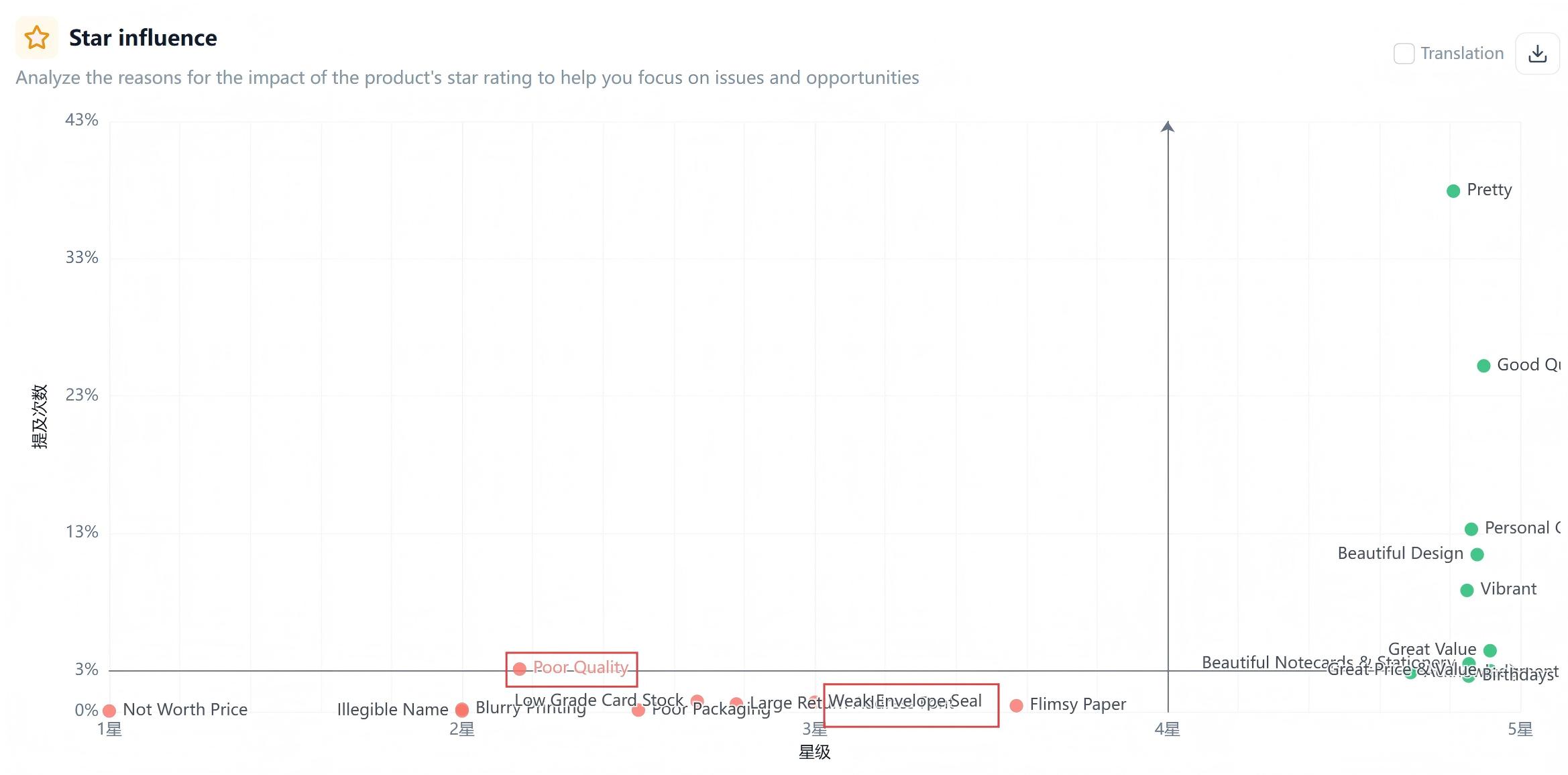
- Case in Point: In the greeting card category, negative reviews rarely target the "design." Instead, they focus on "cheap texture" and "poor sealing." These are concrete, actionable fixes.
Therefore, our optimization direction can shift from "guessing what users like" to "addressing what users actually complain about", seeking overlooked yet recurring pain points from a vast sea of user reviews.
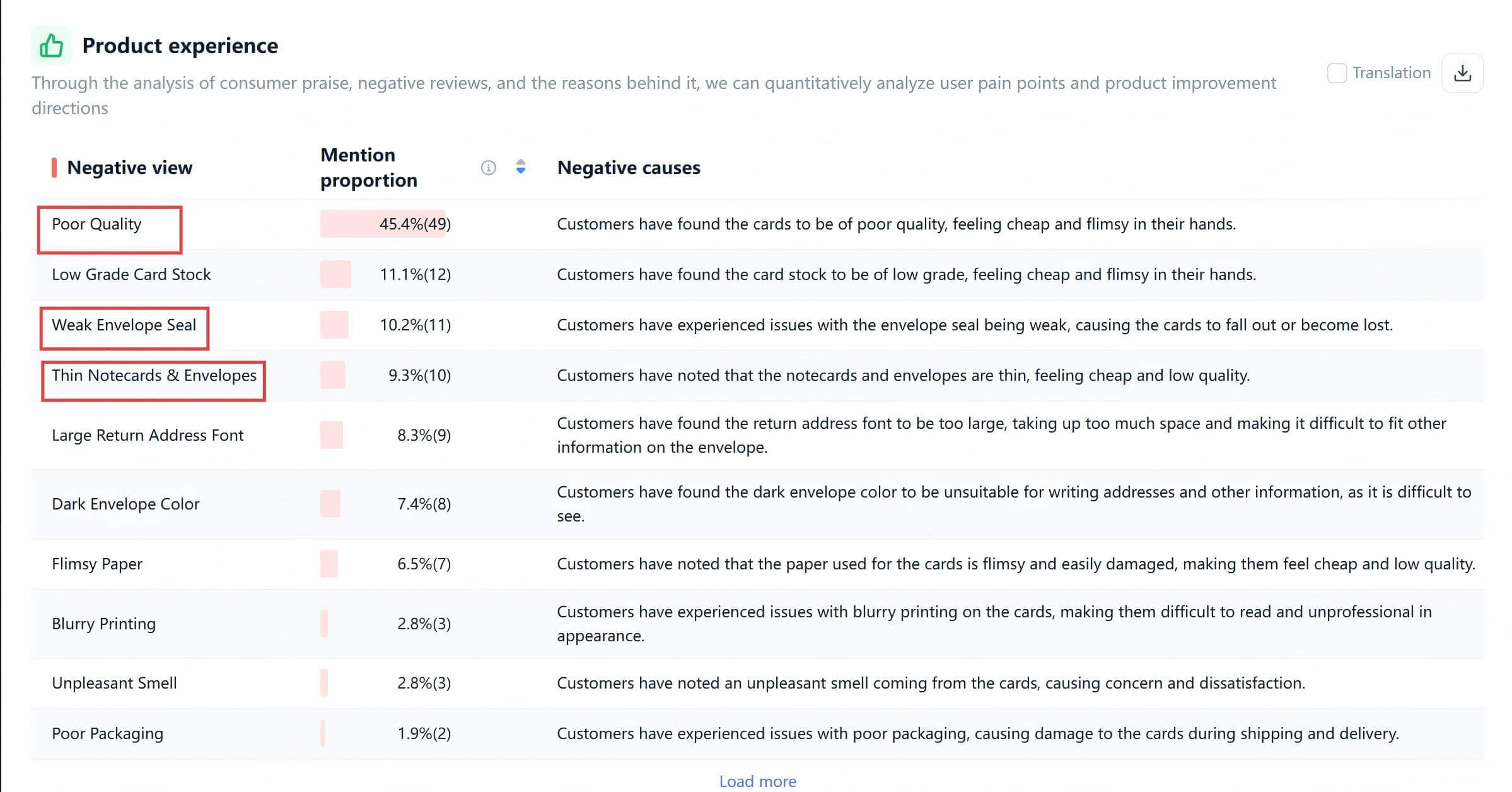 Therefore, our optimization direction can shift from "guessing what users like" to "addressing what users actually complain about", seeking overlooked yet recurring pain points from a vast sea of user reviews.
How to Build Your Precision Optimization Checklist?
By leveraging VOC AI, we can conduct systematic insights into any target category, transforming the vague goal of "improving user experience" into a concrete, actionable checklist. Let’s take Valentine's Day greeting cards as a prime example:
Step 1: Scrutinize the Market to Secure Your "Best-Seller" Foundation
Stop relying on gut feelings and start looking at what the market is actually paying for. Use the Shulex VOC [Product Analysis] tool to scan the Valentine’s Day card category and identify current high-performers. Is the trend leaning toward classic heart designs? Are customers favoring matte over glossy finishes? Which color palettes are dominating the charts right now?
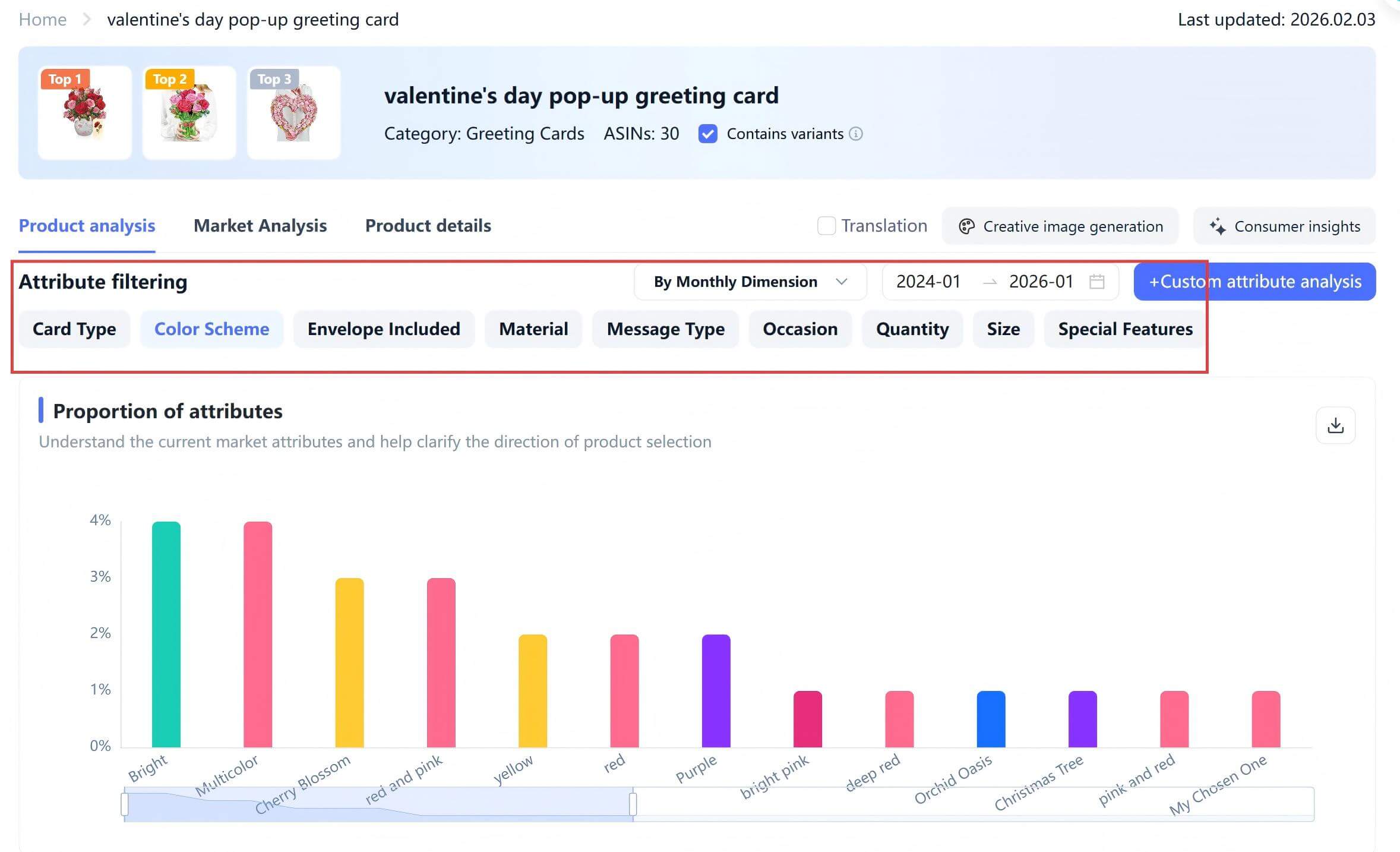
Armed with these insights, we now have a comprehensive understanding of the current greeting card landscape.
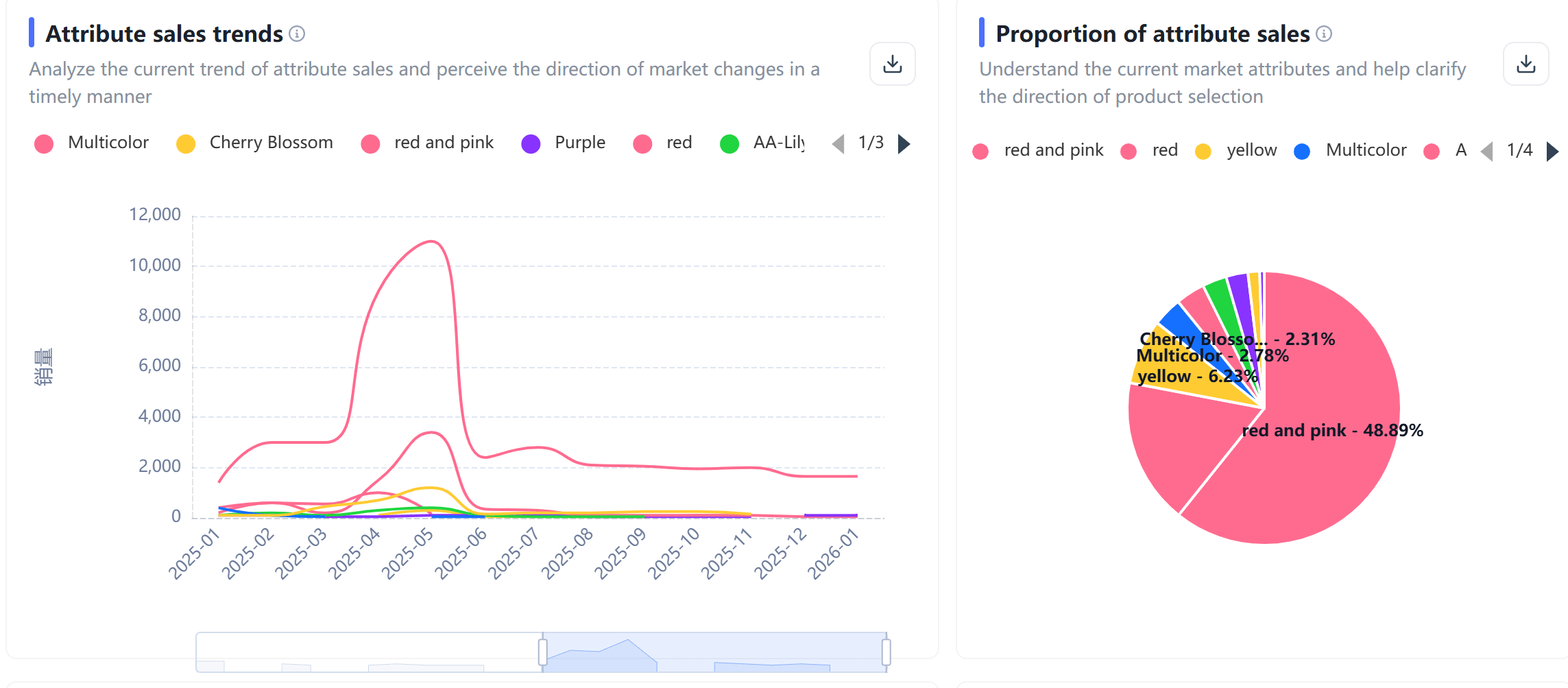
With this baseline established, we can leverage VOC AI for a deeper market analysis: Is the category growing? Is it worth the investment? Who are the top performers, and what exactly is driving their success?
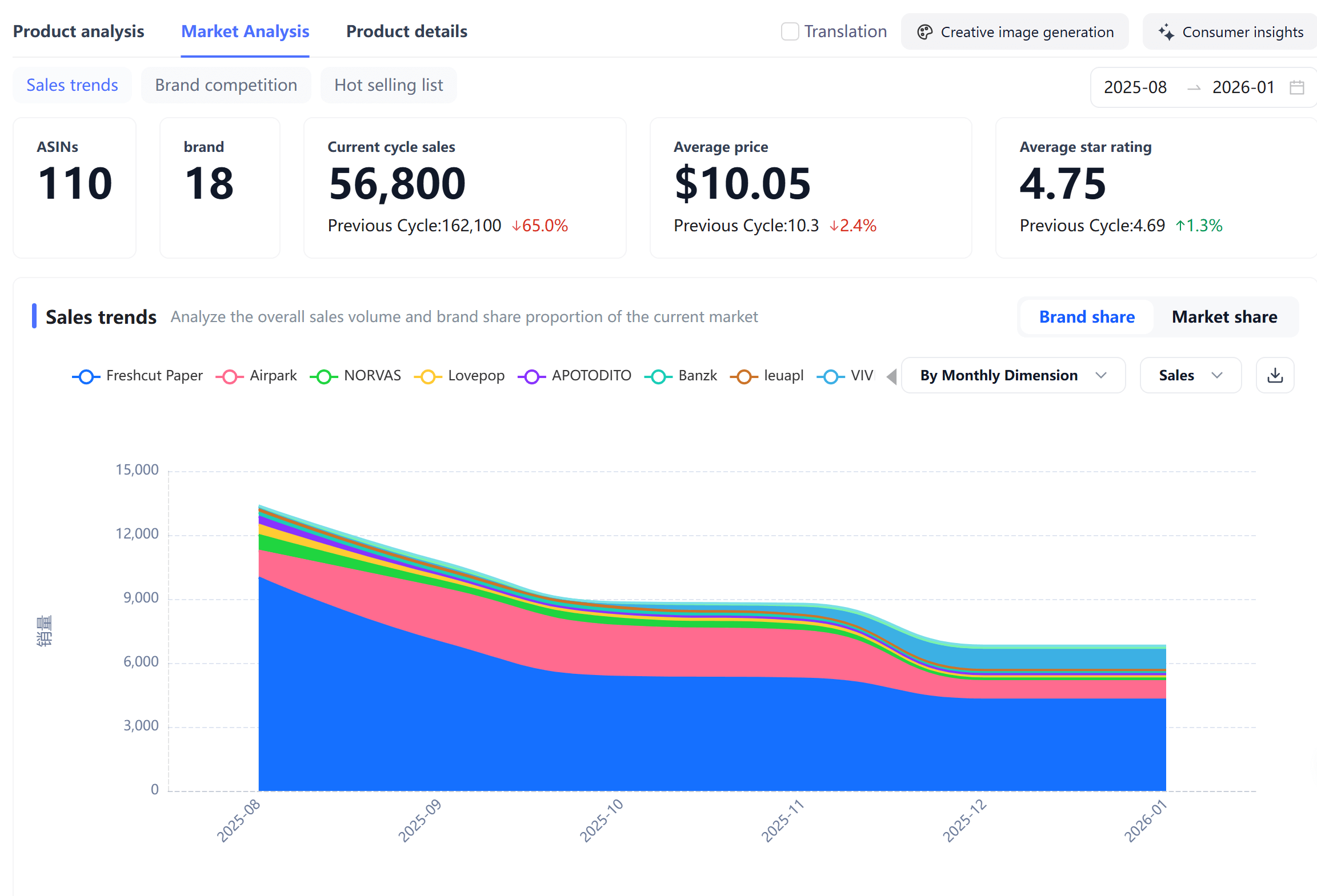
This step allows you to anchor your optimization on a foundation with proven "best-seller" potential, rather than reinventing the wheel from scratch.
Step 2: Deep Dive into the "Why" Behind the Sales
Customer feedback is your most powerful weapon for refining products and boosting sales. By entering a top-selling competitor's ASIN or category name into the [Amazon Review Analysis] feature, the AI automatically clusters user personas, usage scenarios, product experiences, and unmet needs based on actual review content.
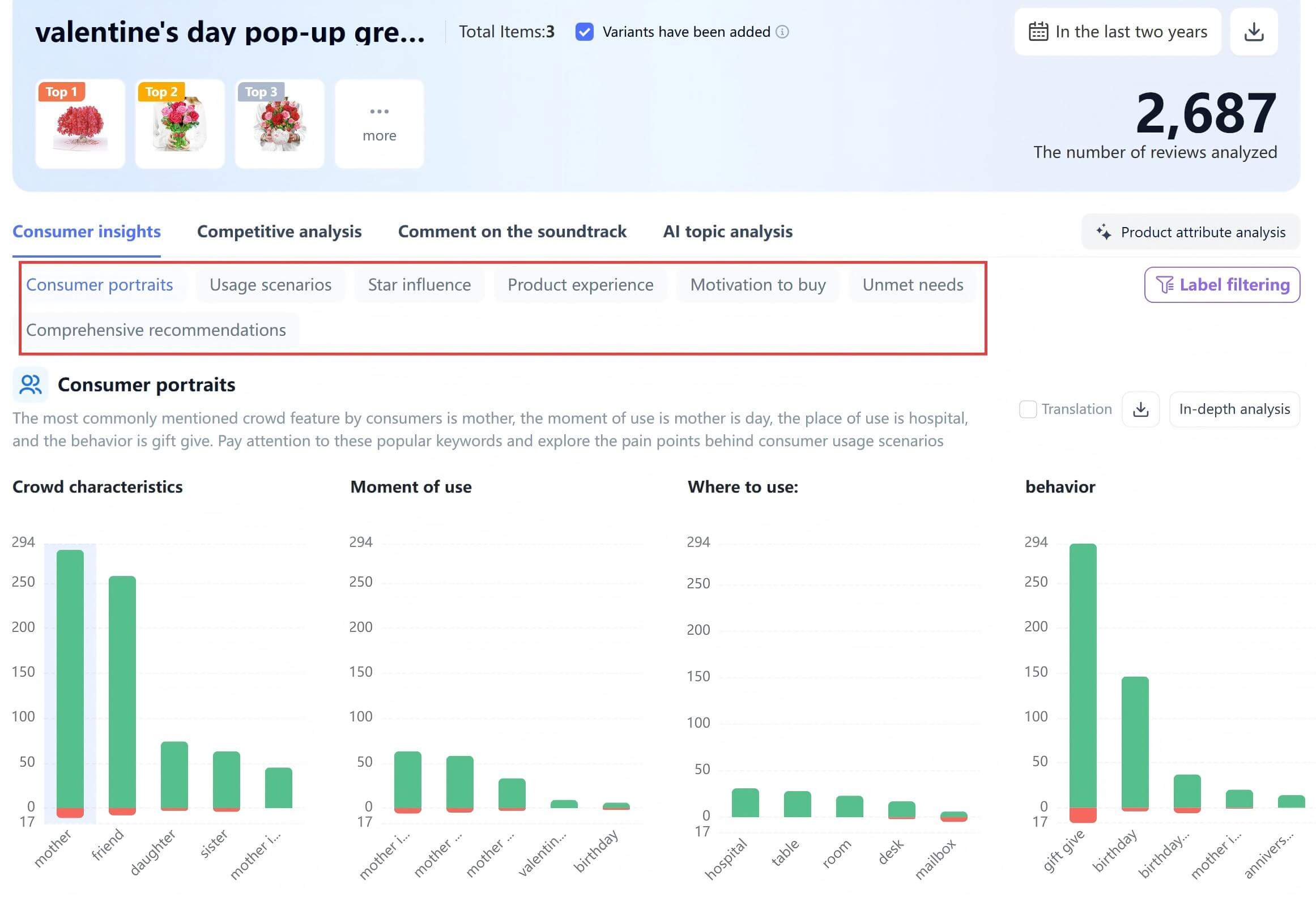
We will discover that the biggest drivers of star ratings aren't "design," but rather "paper and texture" or "packaging and accessories."
Simultaneously, the AI systematically identifies unmet consumer needs.
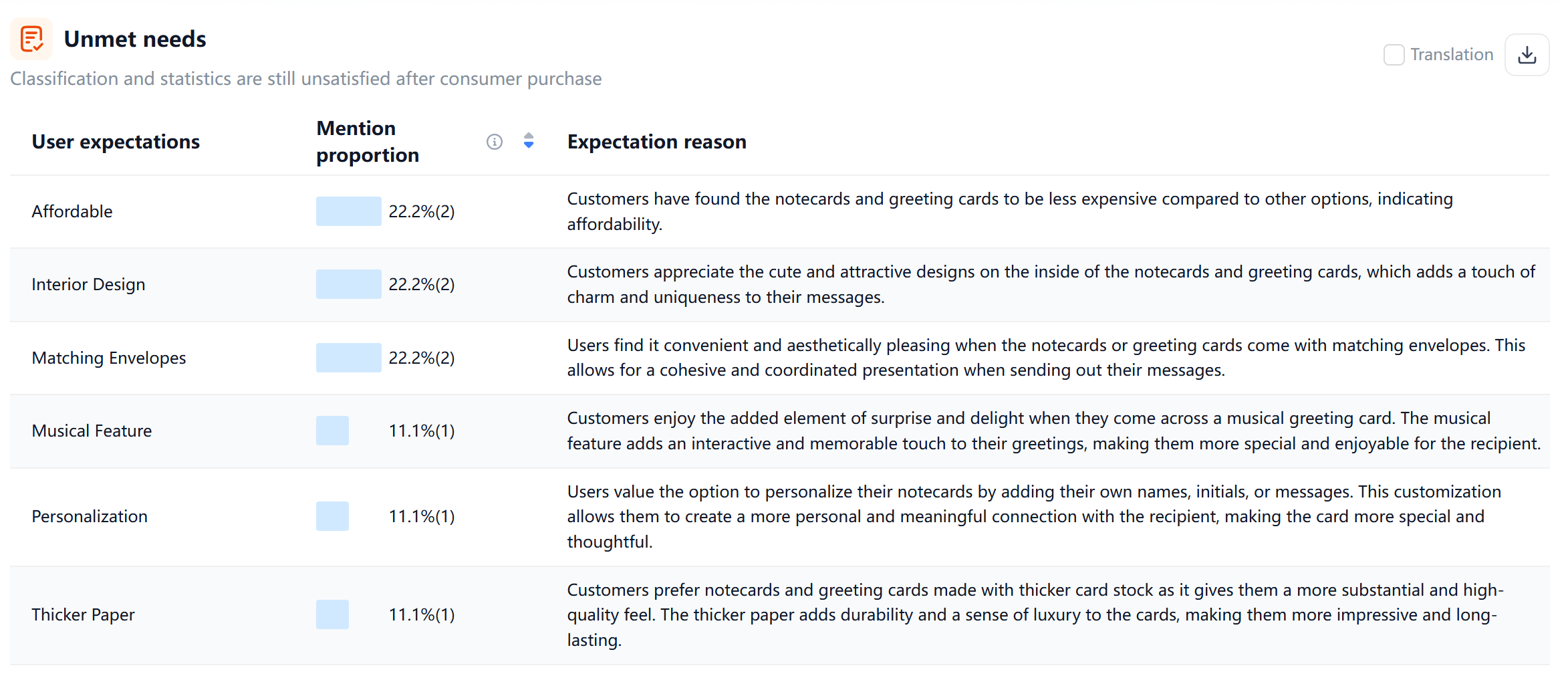
Step 3: Generate a Precision Optimization Checklist
The system quantifies the impact of every issue while synchronizing data across multiple dimensions—product, operations, design, marketing, and customer service. Based on these insights, the AI provides targeted optimization recommendations, making your decision-making process crystal clear.
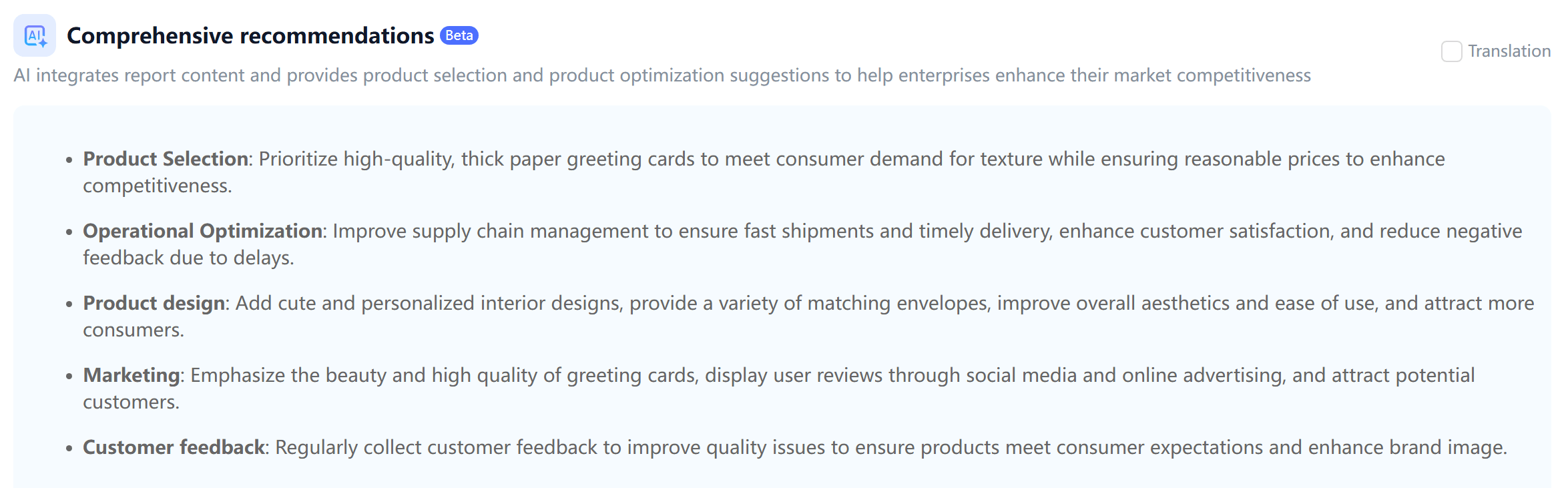
Of course, these recommendations are derived from review data; the final action plan should be tailored to your specific business circumstances.
If It Works for Greeting Cards, Why Not Everything Else?
Mastering the optimization of greeting cards is a blueprint for unlocking success across all Valentine’s Day gift categories. Whether it’s jewelry, couple’s apparel, or home fragrances, every trending category contains critical selling points that can be precisely refined through data insights.
As Valentine’s Day approaches, every gift carries sincere emotion. When consumer expectations for quality reach their peak, the details overlooked in daily operations often become the deciding factors for a purchase or a 5-star review.
Has your product passed this "emotional quality check"? Rather than blindly chasing new arrivals in a saturated "red ocean" market, let AI tools and data reveal exactly where your next upgrade should be.
Why not let VOC AI find your next winning edge today?