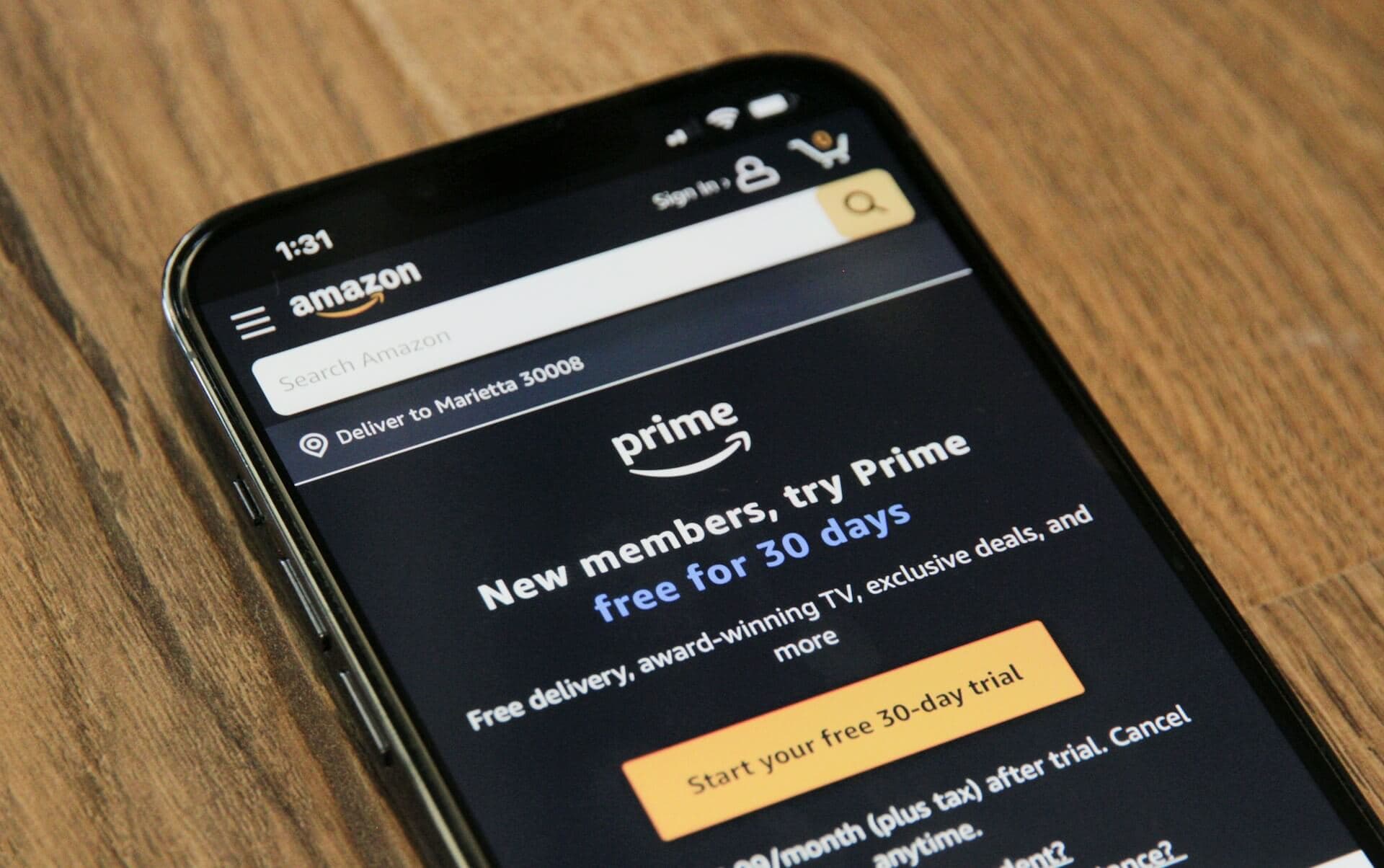
Abstract:Amazon Prime has become a global phenomenon, transforming the way millions shop, stream, and engage with digital services. This analysis explores the latest Prime membership numbers, historical growth, regional adoption, core benefits—including fast shipping, streaming, and exclusive deals—and the service’s effect on user behavior. The impact of Prime Day and Prime Video are examined, with data-backed insights and industry trends. The longevity of Prime is contextualized amidst competitive pressures, shifting consumer habits, and Amazon’s evolving strategy, culminating in a deep forecast for its continued expansion in 2024 and beyond.
Ubiquitous in global commerce and digital life, Amazon Prime is far more than a paid subscription—it is a gateway to fast fulfillment, endless entertainment, and a seamless shopping experience. Originally launched to address a simple pain point—shipping speed—it has evolved into a membership redefining consumer convenience worldwide. In 2024, understanding the scope and trend lines of Amazon Prime membership is essential for anyone invested in the future of online retail, entertainment, or digital consumer engagement. This comprehensive analysis will provide current figures, contextualize growth, and examine the forces making Prime both influential and enduring.
The Historical Growth of Amazon Prime
Launched in 2005, Amazon Prime entered the market at $79 per year, promising free two-day shipping on millions of items. Initially a bold experiment, it soon set new standards for customer convenience. The early years showed steady uptake, with value-conscious, high-frequency shoppers leading adoption.
Throughout the late 2000s, Amazon incrementally added value—Prime Video (2006), Prime Music, Prime Reading, and cloud storage—which turned the subscription into a multi-faceted ecosystem. The integration of streaming video in particular was transformative, positioning Amazon in direct competition with the likes of Netflix and later Disney+, thus attracting a broader audience. By 2018, Amazon Prime had surpassed 100 million global members. Data from financial filings, retail analysts, and third-party market research confirm robust year-over-year growth, with the membership more than doubling in under five years.
Key milestones:
· 2005-2010: Rapid US adoption, moderate international rollout.
· 2011-2015: Introduction of digital services—Prime Video, Reading, and Music—helping Prime break into new demographics.
· 2016-2020: International markets like the UK, Germany, Japan, and India see surging growth. Prime Day sales drive acquisition.
· 2021-2024: Membership exceeds 200 million, with global reach and retention at all-time highs.
Latest Membership Numbers and Global Breakdown
Amazon itself rarely discloses real-time subscriber counts. However, by triangulating statements from company earnings reports, market research (e.g., Statista, eMarketer), and analyst estimates, the consensus for 2024 is:
· Global Prime Membership: Over 220 million paid subscribers worldwide (Statista, 2024; others).
· US Market: The US remains Prime’s largest territory, with estimates ranging from 170–180 million active members (nearly two-thirds of all US households).
· International Expansion: Key markets include the UK (20+ million), Germany (15+ million), Japan (10+ million), and significant growth in India, Canada, Australia, and more recently in Latin America and the Middle East.
· Trial Users: Amazon offers 30-day free trials and other promotional deals, temporarily boosting user numbers beyond paid subscribers, but retention rates remain strong as trial conversion is reported above 60% in mature markets (Amazon IR, 2024).
Core Benefits Driving Prime Membership
Prime’s appeal is multi-dimensional, with core benefits addressing both transactional and emotional needs:
1. Fast, Free Shipping
The foundation of Prime remains its shipping promise:
· Free two-day (sometimes same-day) delivery in hundreds of major cities and suburbs
· One-day or even two-hour delivery on select items (Prime Now/Fresh)
· No minimum order thresholds (a barrier on most e-commerce sites)
This core offer dramatically reduces friction and enables spontaneous purchasing—particularly valuable for busy families, urban professionals, and regular online shoppers.
2. Amazon Prime Video
Prime Video is an entertainment powerhouse, providing:
· Tens of thousands of movies, TV series, documentaries, and exclusive Amazon Originals (e.g., The Boys, The Marvelous Mrs. Maisel, The Rings of Power)
· Sports rights, including exclusive streaming of NFL Thursday Night Football, Premier League matches, and global eSports
· Support for up to three simultaneous streams per household
Global usage has soared—with Video acting both as a retention mechanism for existing members and a primary acquisition lever, especially in markets where streaming spend is rising.
3. Exclusive Deals and Prime Day
· Early access to Lightning Deals and select product launches
· Exclusive discounts year-round, with major savings evident during events like Prime Day
· Prime Day itself is credited with generating tens of millions of new sign-ups and record sales—2023 reportedly saw over $12 billion in sales over two days (Amazon Press).
4. Prime Music & Reading
· Access to over 100 million songs ad-free, thousands of playlists, and podcasts via Prime Music
· Rotating selection of eBooks, magazines, and audiobooks via Prime Reading
· Seamless integration with Alexa and Amazon devices
5. Cloud Storage and Other Perks
· Unlimited photo storage via Amazon Photos; 5GB video storage
· Free grocery delivery (in select markets via Fresh/Whole Foods)
· Discounts at Whole Foods, try-before-you-buy fashion, prescription savings, and gaming perks (Prime Gaming)
Impact on User Behavior: Frequency, Loyalty, and Spend
Research-backed insights:
· Frequency: Prime members shop on Amazon an average of 26–30 times annually, more than double non-members (Statista/Edison Trends, 2024).
· Average Order Value (AOV): Prime members have up to 50% higher AOV; free shipping encourages multi-item purchases and impulsive buys.
· Loyalty: Churn rates are low; 90%+ annual renewal in mature markets. Prime’s utility, entertainment, and financial benefits foster stickiness.
· Marketplace Dominance: A 2023 CIRP survey found nearly 80% of all US online shoppers had an active Prime account—and Prime households increasingly use Amazon for essentials, not just discretionary goods.
· Shopping Cart Expansion: The "shipping barrier" effect (adding extra items to access free shipping) is virtually eliminated, smoothing the path to greater spend per interaction.
· Platform Preference: Non-Prime members are over 3x more likely to comparison-shop on other sites; Prime users overwhelmingly default to Amazon, reducing competitor exposure.
Amazon Prime Video: Trends, Competition, and Global Reach
· Prime Video Users: Over 200 million globally; not all Prime members use the streaming service, but Default activation rates are high, especially in North America and Western Europe.
· Content Investment: Amazon invested an estimated $15 billion in content in 2023 (Variety, 2024)—focusing on global originals, live sports, and high-budget films.
· Originals Drive Retention: Critically-acclaimed series continue to drive sign-ups and reduce churn.
· Competitiveness: Prime Video is the second largest subscription VOD service globally, trailing only Netflix in total paid subscribers, and surpassing Disney+ and HBO Max in total reach.
Prime Video vs. Competitors Table:
A | B |
Netflix | Largest global streaming subscriber base; ubiquitous content across genres |
Amazon Prime Video | Massive Prime bundle, global originals, sports rights, strong retention |
Disney+ | Family-friendly, blockbuster franchises (Marvel, Star Wars), international growth |
The Power of Prime Day and Promotional Events
Prime Day began in 2015 and today rivals Black Friday as one of the biggest online sales events worldwide.
· New User Acquisition: Each Prime Day sees millions of new subscribers, many of whom stay post-trial
· Record Sales: 2023 Prime Day set a new high, with small-business sales surpassing $3 billion alongside record Amazon device sales (Amazon Press Release, Q3 2023)
· Retention Boost: Exclusive deals incentivize renewals, especially among gift shoppers, back-to-school, and holiday buyers
· Behavioral Shifts: Shoppers plan around Prime Day, waiting to make big-ticket purchases until the event
· Additional Events: Amazon complements Prime Day with early holiday deals, Black Friday, Cyber Monday, and spring promotions
Global Adoption and Localized Strategy
While the US remains Amazon’s biggest market, international growth is a strategic priority. Key elements include:
· Localization: Multilingual support, local payment options, regionalized Prime benefits (e.g., video content, local delivery timetables)
· Strategic Partnerships: Collaborations with telecoms, device makers, and local delivery networks enable rapid expansion
· Market Tailoring: In India, Prime added regional language content, low-cost annual plans, and Bollywood partnerships; in Japan, eligibility for Prime shipping includes local marketplaces and same-day for electronics
· Emerging Markets: Latin America and the Middle East are seeing aggressive investment, aiming to replicate the success seen in India
The Economics of Prime: Revenue and Profitability
Amazon’s retail margins are famously thin, but Prime is key to both topline and bottom-line growth:
· Subscription Revenue: In 2023, subscription services (chiefly Prime) generated over $37 billion globally
· Customer LTV: Prime members’ lifetime value is 2–3x higher than that of non-members
· Marketplace Synergy: Prime makes both third-party sellers and FBA (Fulfilled By Amazon) more appealing, sustaining the world's largest product assortment
· Profit Enabler: Prime’s reliable revenue stream funds massive content spends and emergent logistics investments
Member Satisfaction, Churn, and Retention
· Satisfaction: 90%+ of US Prime members say the service is “good” or “excellent” value (Insider Intelligence Survey, 2024)
· Retention: Over 80% of members stay subscribed for 2+ years; over 50% for 4+ years
· Churn Factors: Price increases (last seen in 2022), content fatigue, and alternative services lead to occasional attrition, but robust benefit expansion and new perks (e.g., same-day grocery, exclusive podcasts) drive reactivation
Concurrent Usage, Account Sharing, and Policy Evolution
· Prime Video Streams: Officially allows up to three simultaneous device streams
· Account Sharing: Technically, Prime accounts are meant for one household; in practice, Amazon is more lenient than Netflix, focusing on keeping the benefit “sticky” across family units
· Policy Outlook: Given the industry trend (e.g., Netflix crackdown on sharing), further tightening is possible, but Amazon sees account inclusiveness as a loyalty tool
Data Sources and Analytical Tools
Robust membership and usage insights derive from multiple analytical resources:
· Amazon Financials & IR: Quarterly and annual reports provide core figures
· Market Research: Statista, eMarketer, Digital Commerce 360 for independent data
· Consumer Surveys: CIRP, Pew Research, Insider Intelligence
· Social Analytics: Google Trends and Twitter sentiment reveal promotional impact
· Third-Party Tools: SEMrush (SEO impact), SimilarWeb (traffic analysis), App Annie (download and usage trends)
The Role and Value of Case Studies
· Prime Video Originals: Launch of “The Boys” and “The Rings of Power” drove record sign-ups and global binge viewing, with Amazon reporting over 25 million viewers for series premieres
· Prime’s Appeal in Mobility: Partnership with Uber in India (Prime customers get exclusive rides discounts) demonstrates local benefit tailoring
· Prime Day 2023 Outcomes: Analysis showed increased SMB participation: over 60% of Prime Day sellers were small businesses, benefitting from boosted visibility
Challenges and Competitive Dynamics
1. Streaming Competition
· Netflix’s crackdown on password sharing has pushed some limit-seeking users towards Prime Video
· Disney+ and regional players attract family-friendly and niche audiences; Amazon responds with ever-expanding global content
2. E-commerce Giants
· Walmart+, Target RedCard, and international competitors like Flipkart (India) or MercadoLibre (Latin America) are launching their own membership services, occasionally undercutting Prime’s cost or matching benefits
3. Economic Shifts
· Inflation, economic recoveries, and shifting discretionary spend patterns in 2023-2024 impact consumer willingness to maintain memberships; Amazon responds with repricing and added perks
Future Trends: What’s Next for Amazon Prime?
Innovation in 2024 and Beyond:
· AI-Powered Personalization: Enhanced recommendation engines and voice shopping via Alexa for bespoke member experiences
· Deeper Service Bundling: Potential integration with health (Amazon Care, Pharmacy), mobility, and financial services
· Sustainability: Expanded eco-friendly shipping methods and green packaging initiatives—Prime as a platform for sustainable living
· Globalization: Targeting high-growth, underpenetrated markets; focusing on localized video production, local seller support, and payment innovation
· Dynamic Pricing/Value Tiers: Introduction of more granular Prime plans (e.g., Video-only, Family, Student) to address regional income disparities and household needs
Conclusion
Amazon Prime’s impact is unmatched. From streamlining purchases to redefining video entertainment and powering global sales events, Prime is now woven into the digital fabric of everyday life for over 220 million people. Its combination of convenience, entertainment, exclusive access, and value sustains market leadership against a backdrop of fierce competition and evolving consumer expectations.
The path forward will see more localization, innovation, and integration with emerging technologies like AI and augmented reality, making the Prime experience even more seamless and indispensable. Businesses, content creators, and consumers alike must reckon with Prime’s influence on online spending, behavioral trends, and competition for attention. For members, the value equation remains strong; for Amazon, Prime’s resilient growth and adaptability secure its role as the anchor of the company’s strategy.
Act now: For stakeholders—from small businesses to content producers—understanding and leveraging the Prime ecosystem is non-negotiable. Tapping into the world’s most loyal digital consumer base can mean the difference between market relevance and obsolescence. As we look to the rest of 2024 and beyond, one thing is certain: Amazon Prime’s hold on the global digital marketplace is far from finished, and its evolution remains a critical trend to watch.