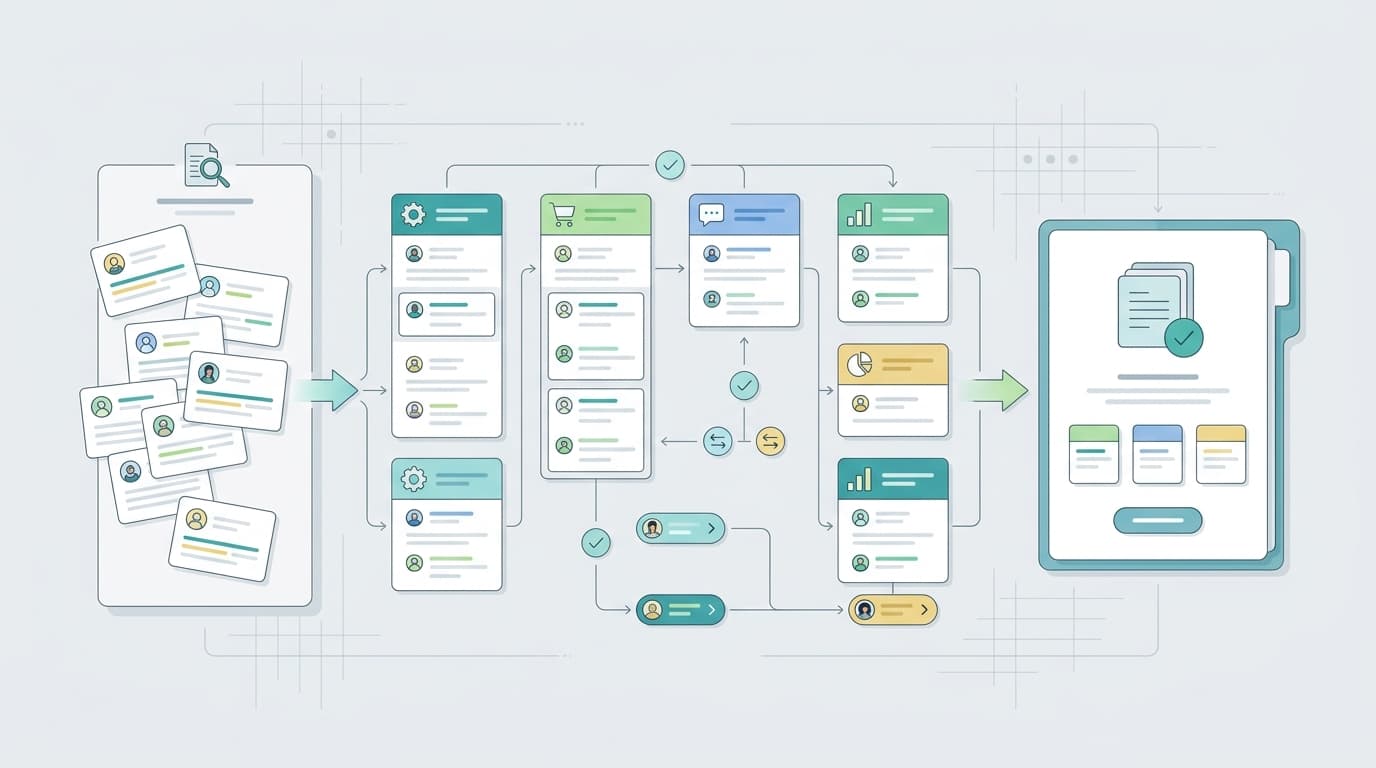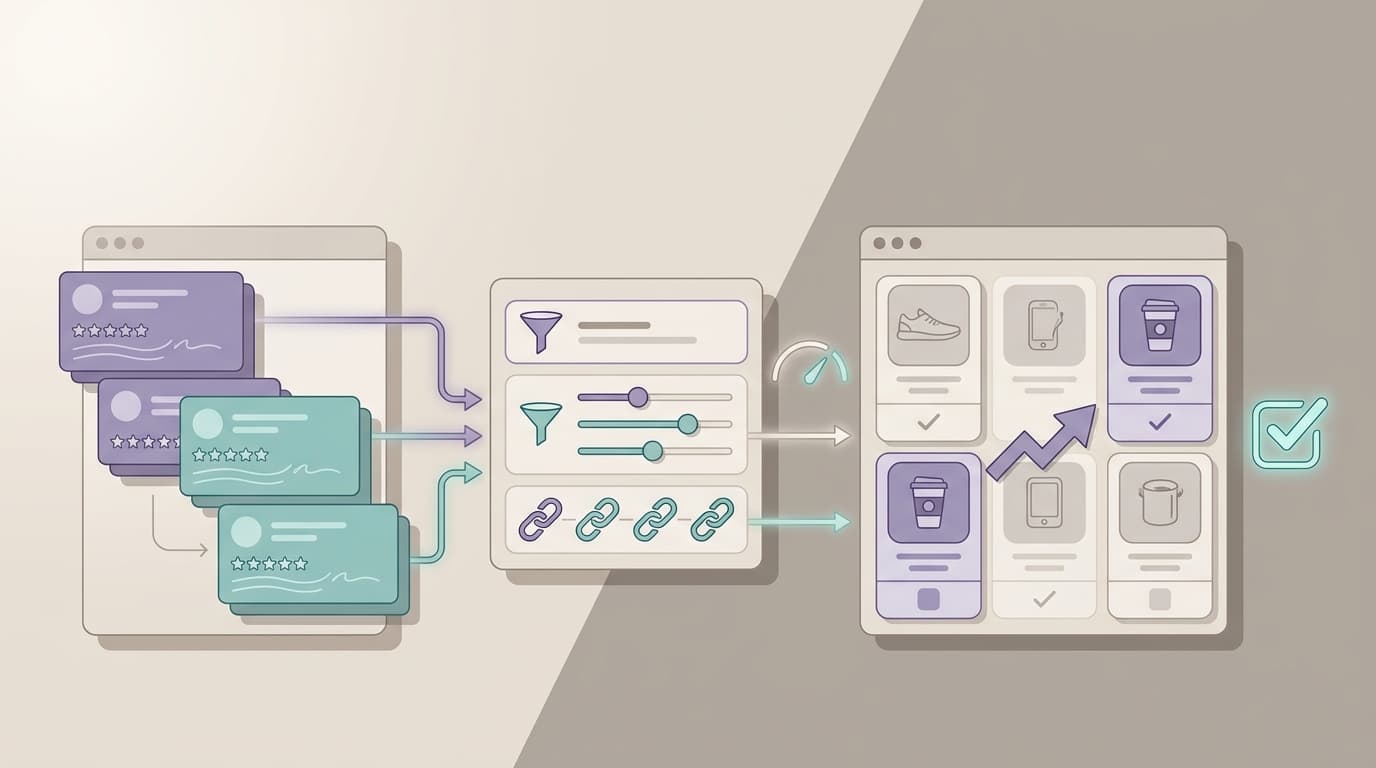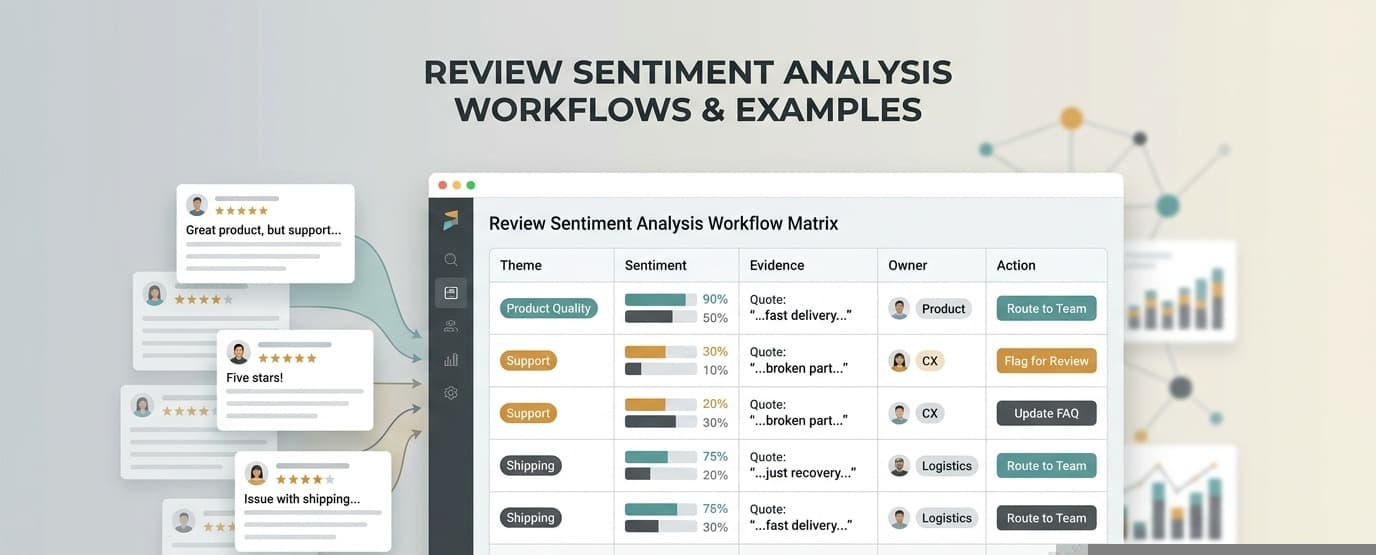
Real customer feedback is the fastest way to find out what buyers actually want. Hidden inside those paragraphs are the answers to everything: what they hate, what they love, and how they are actually using the product.
Many sellers make the mistake of just chasing a high number of reviews. But the smart sellers? They dig into the words.
By analyzing authentic feedback, you can spot exactly where your competitors are failing. This gives you the roadmap to build a better product and write listing copy that solves the exact problems customers are complaining about.
What Are My Customers Actually Saying?
To do this effectively, you first need to ensure you are looking at real data. Here is how to spot the manipulated reviews that can mess up your research.
(1) Analyzing Quantity and Growth Velocity: Review Curves and Review Rates
- Organic Growth: Mature products with stable sales typically see a steady increase of 1–2 reviews per day. For new products, a rate of 1–2 reviews every few days suggests organic growth driven by natural orders. This steady pace indicates a sustainable, long-term strategy.
- Abnormal Spikes: Sudden surges are highly suspicious and often indicate manipulated reviews. These spikes are best analyzed through the Review Rate, rather than just the raw number of reviews.
- Review rate=(Number of Reviews in a period / Total Orders in the same period) × 100%
Case Studies:
- Case A (Normal Growth): A new product launch gained 10 reviews in a single day. However, historical data showed 206 total units sold and 40 total reviews. After excluding 30 Amazon Vine reviews, the remaining 10 natural reviews resulted in an overall review rate of 4.8%, which is within a standard, healthy range.

- Case B (Suspicious Growth): A listing launched in late August reached nearly 300 reviews in less than a month with only 1,000 total units sold. On September 9th, it had 60 reviews; by the next day, it jumped to 130—an increase of 70 reviews in 24 hours. Given that the total order volume was 500 units by September 10th, the review rate spiked to 26%. Even accounting for Vine reviews, such a high percentage is abnormal. Furthermore, data confirms no hidden variations were merged to inflate these numbers.

(2) Analyzing Review Quality: Content Patterns and Media Consistency
- Text Patterns: It is currently difficult to judge by text alone, but reviews clearly translated from Chinese are obvious fakes. Additionally, large volumes of similar wording (e.g., repetitive "perfect" or "amazing" sentence structures) appearing in the same period usually indicate templated bulk writing.
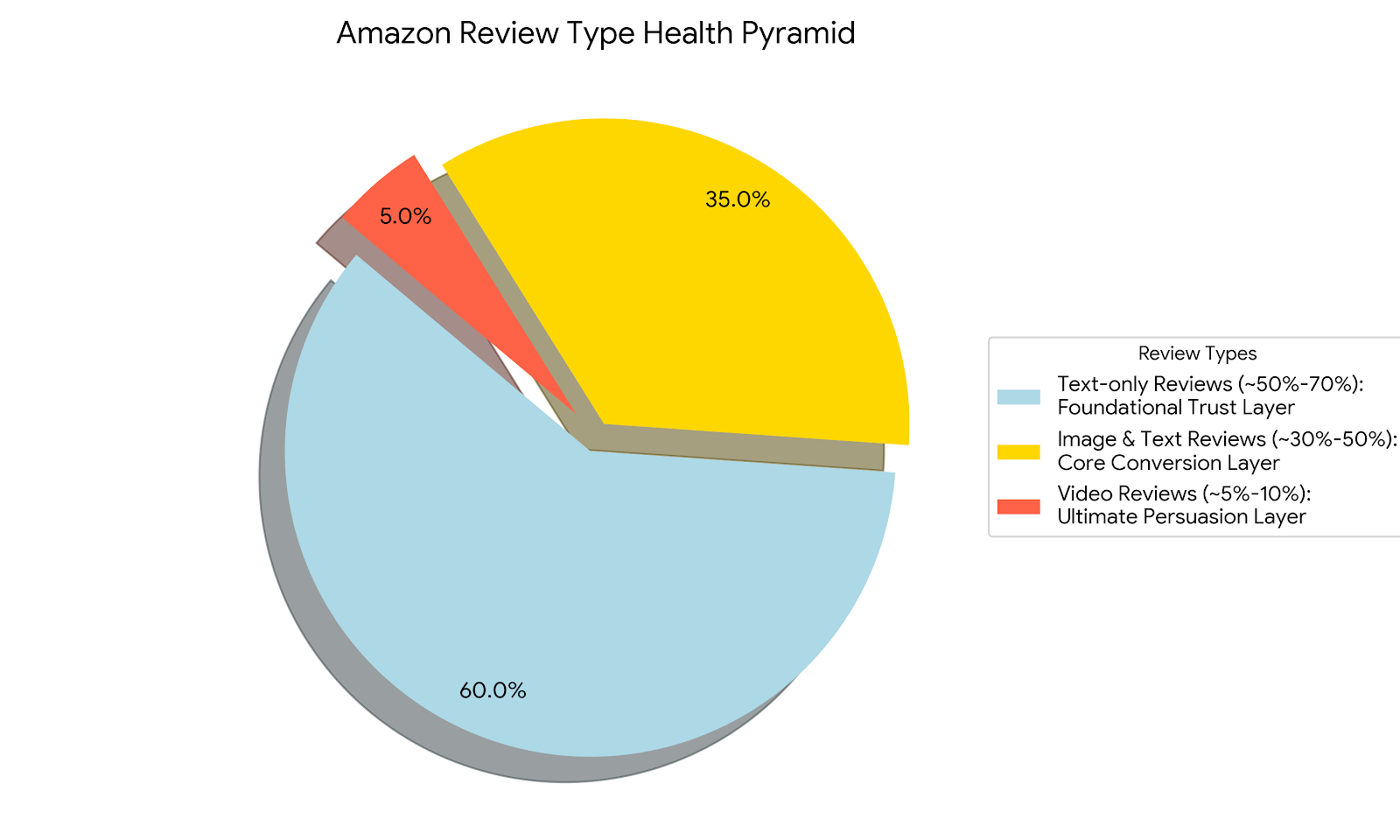
- Media Content: High numbers of "professional-grade essays" with photos and videos are suspicious. If the styles or video backgrounds are highly consistent, it is likely a coordinated effort using provided scripts. While manual identification is challenging, VOC tools can automatically detect these patterns by analyzing linguistic similarities and media consistency across thousands of reviews in seconds.
- 4-Star Reviews: These also require attention. For high-value products, sellers may use empty-box testing or FBA returns to submit self-edited reviews, specifically requesting 4-star ratings to improve the review's "stickiness" and success rate.
(3) Analyzing Reviewer Profiles: Historical Activity and Behavioral Patterns
- Historical Audit: Click the reviewer's name to check their history. A natural profile usually shows a mix of positive and negative reviews with low brand concentration.
- Red Flags: While service providers are often told to use one account for only one order per store, high volumes eventually reveal patterns. For example, the same account purchasing multiple different models from the same brand in a short time is statistically unlikely. Manually auditing individual profiles to spot brand clusters is inefficient. VOC tools can automatically aggregate reviewer data across the category to flag suspicious buyer clusters and high-risk accounts instantly.
- Operational Risks: Coordination with service providers is critical. One provider previously posted identical feedback for every order, which led to an immediate account suspension the next day.
(4) Analyzing Rating Distribution and Review Conversion
- Review Manipulation Patterns: Organic listings typically show a mix of positive and negative feedback. However, if a negative review is immediately followed by a surge of high-quality photo or video reviews that successfully recover the overall rating, it likely indicates manual review manipulation and rating control.
- White-Hat Constraints: Maintaining a strictly "White-Hat" approach presents significant challenges. For certain products, receiving a negative review can be devastating because manual "review boosting"—even from verified, clean buyer accounts—is prohibited. Under rigid corporate compliance policies, sellers often have no choice but to absorb the impact of negative feedback directly.For "White-Hat" sellers who cannot manually manipulate ratings, VOC tools offer a strategic alternative. Instead of suppressing reviews, these tools analyze the specific root causes of negative feedback, allowing you to optimize your listing or product design to prevent future complaints and organically improve your rating.
Based on the four criteria above, competitors can be categorized into the following five types:
- The Steady Player: Characterized by stable review growth and diverse, authentic content. These competitors prioritize product quality and brand reputation, indicating a sustainable long-term strategy.
- The Aggressor: Characterized by sudden, short-term spikes in review volume. This is common in "hit product" strategies for new launches, aiming to quickly hijack keyword rankings and Best Seller lists.
- The Controller: Characterized by an immediate surge of 5-star reviews following any negative feedback. This indicates active rating maintenance, likely through review incentives.
- The Variation Merger: Characterized by fluctuating review counts and mismatched product information (e.g., old reviews describing different colors or configurations). This indicates the merging of other ASINs into a primary ASIN to inflate review counts.

How Can I Automate This Analysis?
Understanding the four analysis dimensions and five competitor archetypes above is critical, but executing this manually is often impossible at scale. Staring at spreadsheets and clicking through hundreds of buyer profiles is not only time-consuming but prone to human error.
This is where Voice of Customer (VOC) Intelligence Tools become your competitive advantage.
A professional VOC tool does not just "collect data"; it automates the entire analytical framework we just discussed:
Once you identify the issues, VOC AI gives you four direct ways to fix your business:
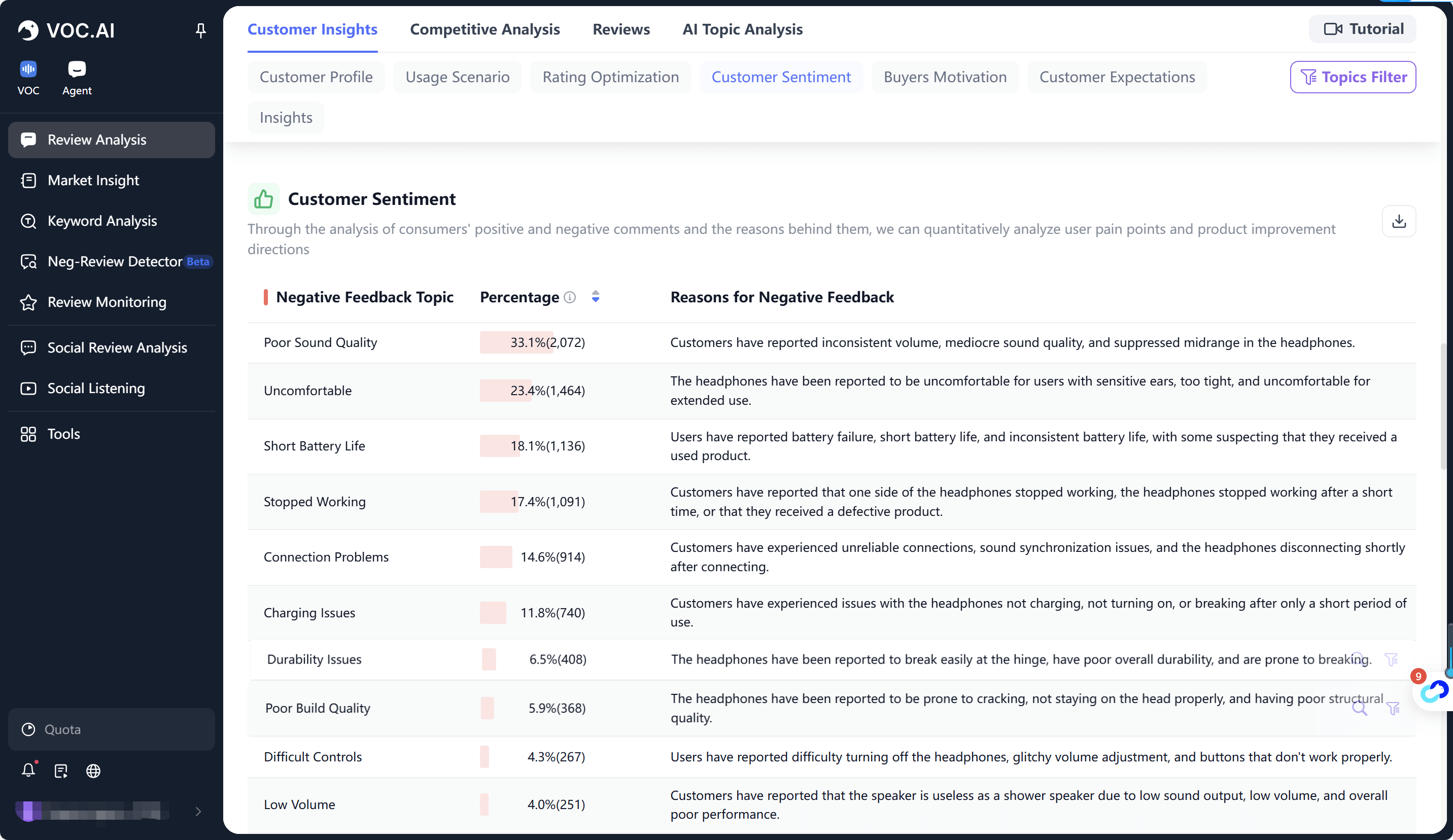
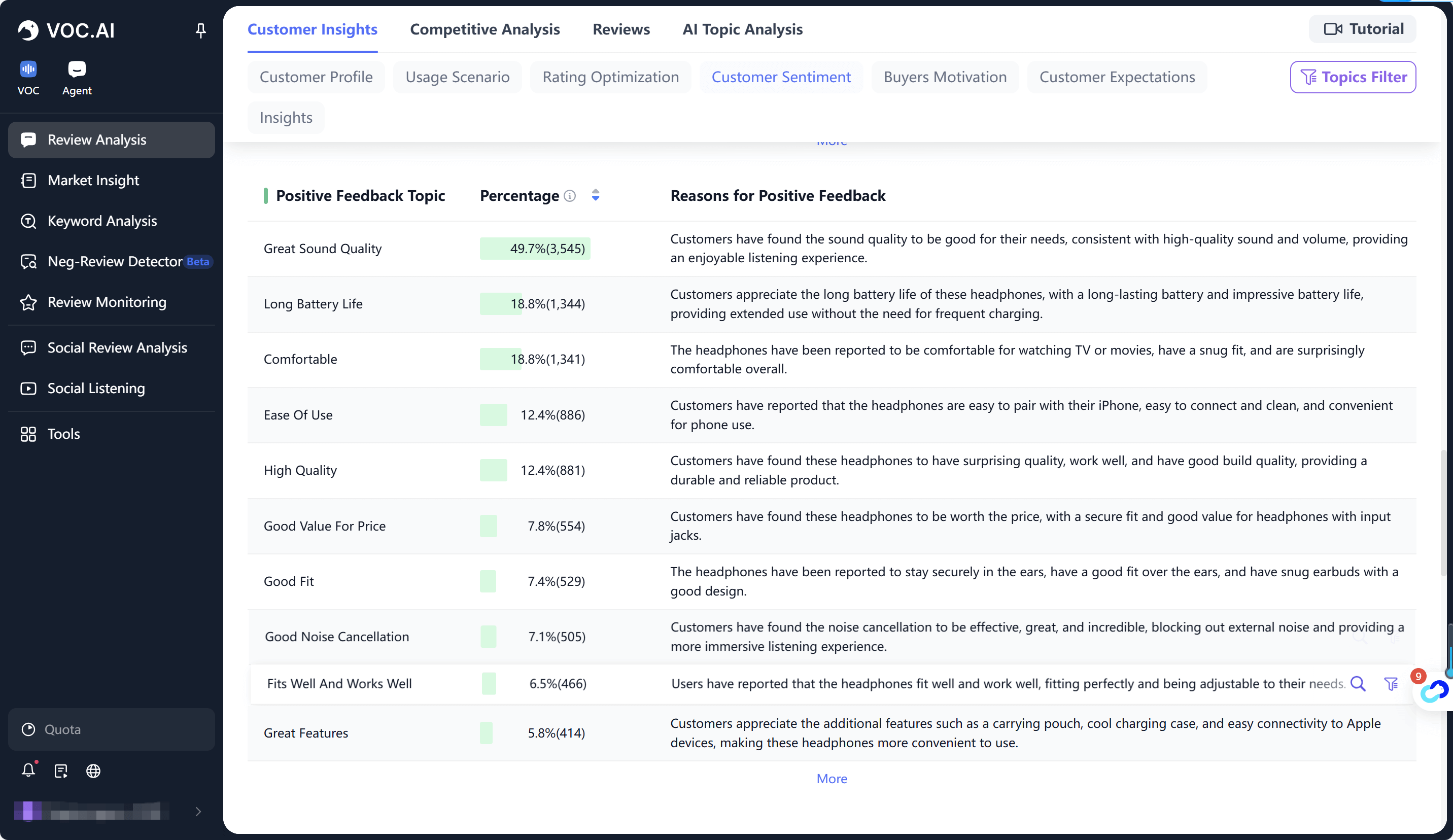
- Fix the Product (Sentiment Analysis): Don't guess why returns happen. The tool highlights specific defects—like "plastic hinges breaking"—so you can immediately source a version with metal hinges and steal those frustrated customers.
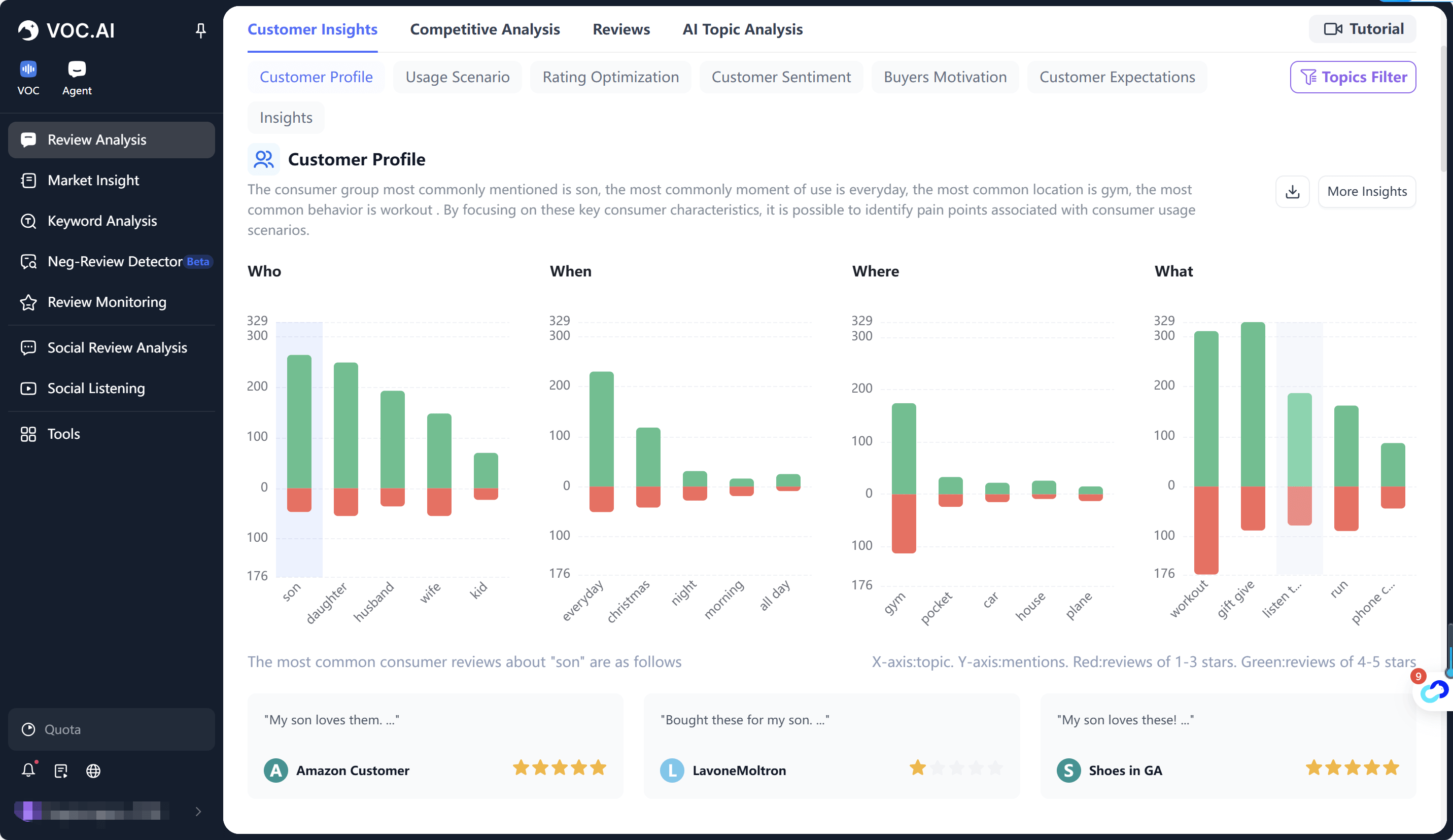
- Fix the Targeting (Customer Profiles): Stop wasting ad spend on the wrong people. If the AI reveals buyers are using your competitor's "Office Chair" specifically for gaming, you pivot your marketing to sell a "High-Comfort Gaming Chair" instead.
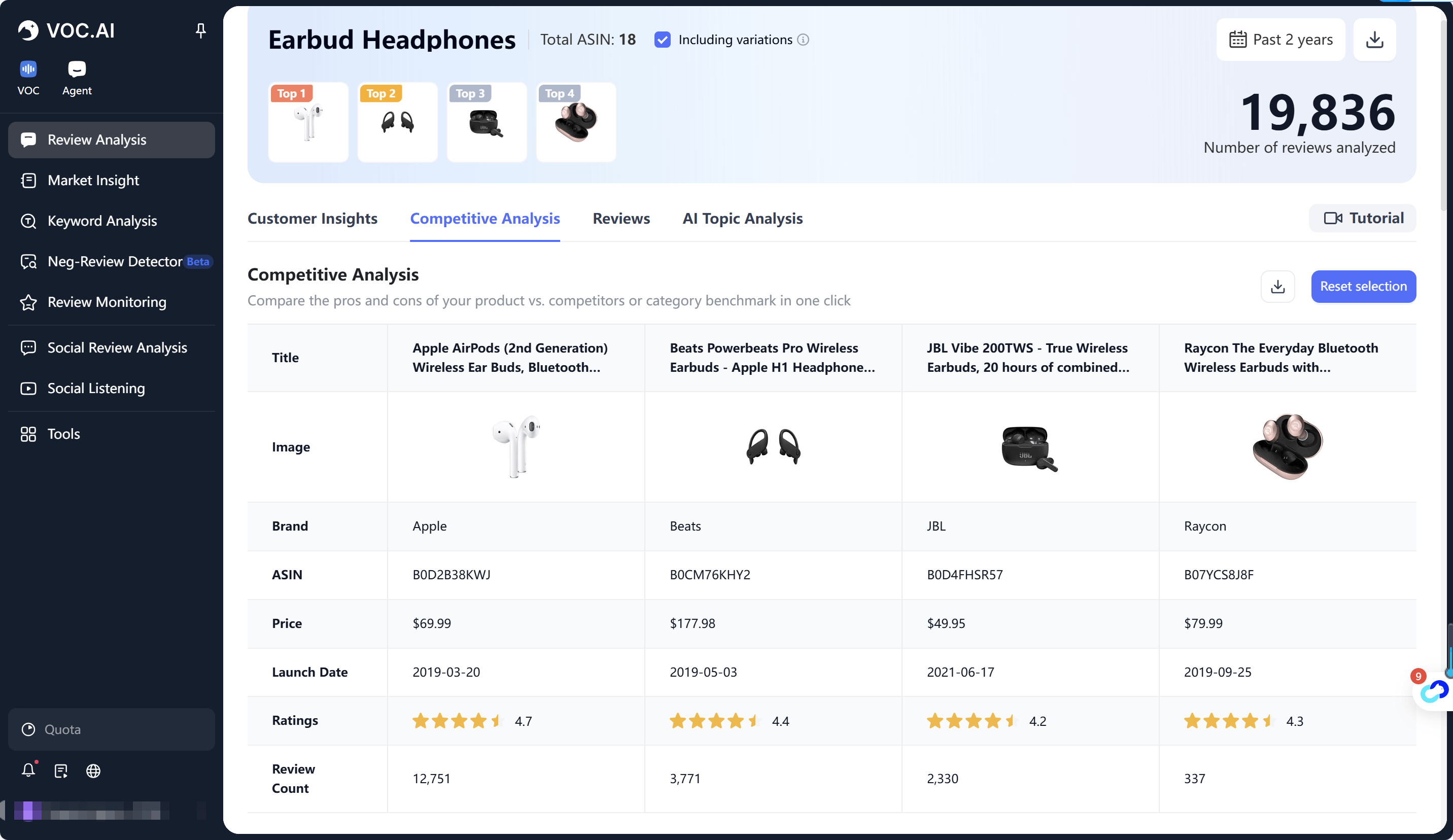
- Fix the Strategy (Competitive Analysis): Run a side-by-side check of top 5 competitors. You might find the market leader is winning on "Fame" but losing heavily on "Price Value"—revealing exactly where your brand can win.
- Fix the Listing (AI Optimization): Don't write from scratch. The built-in AI writer takes these insights and automatically weaves top-praised keywords (like "Easy to Clean") into your Titles and Bullet Points for maximum conversion.
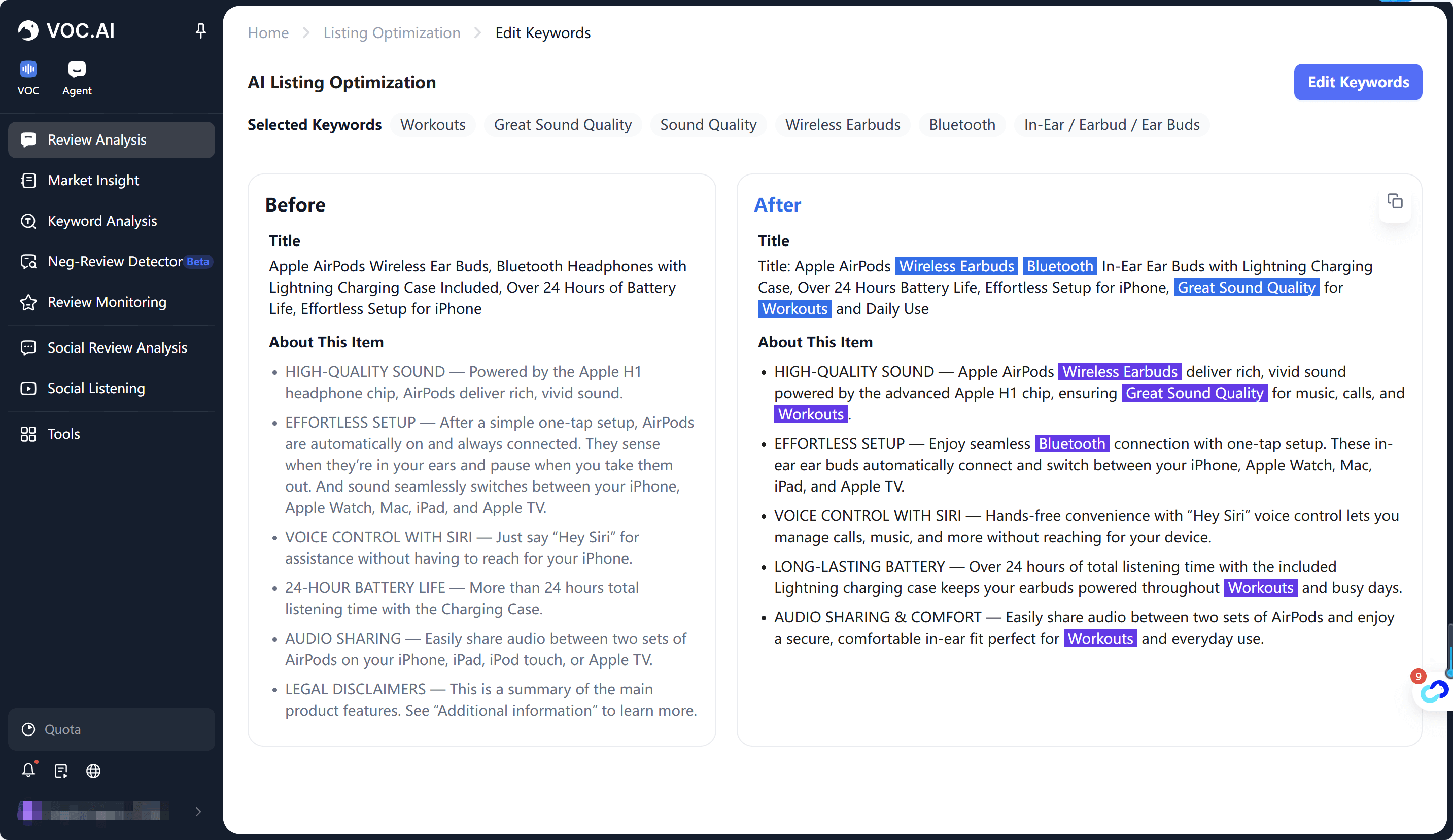
Why Use It? In the following four execution phases (New Product, Growth, Maturity, Attack), speed is everything. A VOC tool frees you from the drudgery of data entry, allowing you to focus purely on the strategic actions we are about to outline.
How Should I Adjust Strategy Across the Product Lifecycle?
Knowing how to identify and classify competitor types is only the first step. The critical value lies in transforming these insights into actionable optimization strategies.
Phase 1: New Product Launch — Establishing Credible Baseline Reviews
The primary objective during this stage is to build foundational social proof and mitigate the risk of a "zero-review" listing.
- Action Items: Utilize official programs like Amazon Vine or adhere to compliant third-party tools for review solicitation. Our current approach involves using the following two tools, which are now fully automated.
- Optimization Strategy: Beyond mere identification, VOC tools bridge the gap between "seeing" competitor data and "acting" on it. By automating the extraction of competitor flaws, these platforms allow you to bypass manual analysis and move directly to executing optimization tasks.
Additionally, we have implemented Product Lifecycle Support (PLS). Currently, PLS offers three independently applicable services: After-sales Video Service, OEM After-sales Service, and Product Operation Documentation.
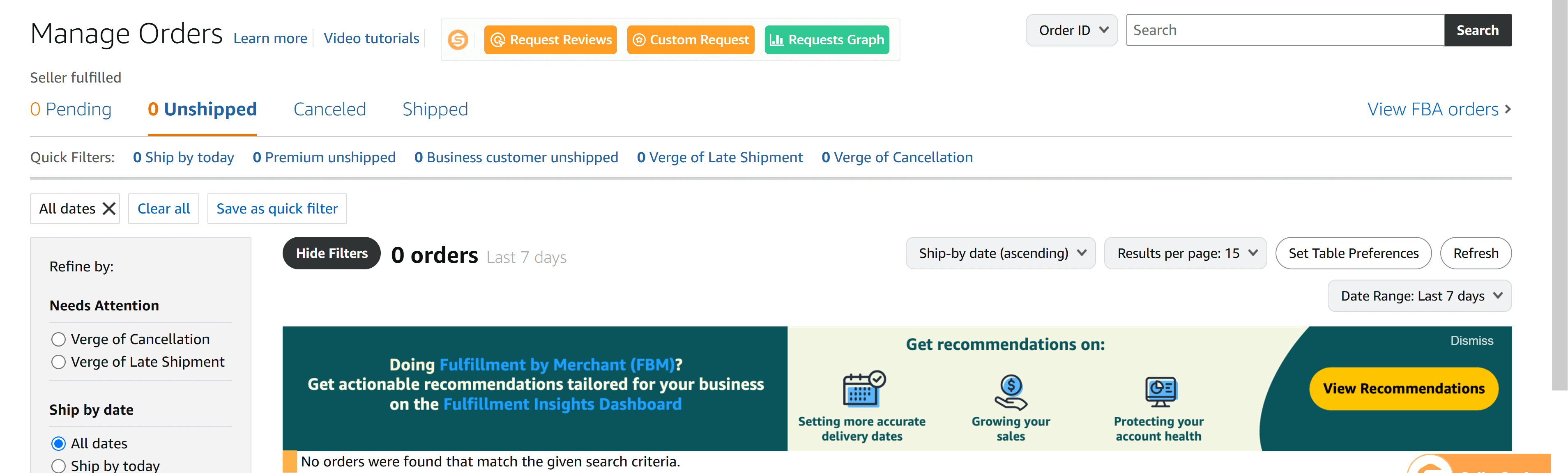
While PLS provides the interface for customer support, VOC tools analyze the specific queries and issues raised during these interactions. By syncing your PLS feedback with a VOC platform, you can identify if common "troubleshooting" issues are caused by product defects or unclear documentation, allowing you to proactively update your content and reduce the support burden.
For instance, once this feature is activated—provided there is local customer support (using a local landline and the local language)—customers will see the seller's designated after-sales videos or information when requesting support:
After-sales Video Service provides customers with guidance on product usage through troubleshooting or instructional videos. This is the most intuitive form of after-sales support, allowing customers to immediately understand how to operate the product.
Operational paths for applying and uploading these videos vary across different marketplaces, but please note:
When uploading after-sales videos, you must select "Setup" or "Troubleshooting" as the video type. This ensures the video is designated as the default content when customers request after-sales support. These videos will also appear on the product listing page, though they will be positioned after other video types.
- North American Marketplace: PLS Self-Service Application Path
https://sellercentral.amazon.c ... hp_pg
- European Marketplace: PLS Self-Service Application Path
- Upload & Retrieve ID: First, upload the relevant video to Seller Central to obtain the Video ID.
- Email Submission: Submit the video application by sending the required form to the following email address: PLS-onboarding@amazon.com
- For additional details, please refer to the official publication linked below:https://mp.weixin.qq.com/s/gczbaMnM7Ub8fCoQ9r-Tkw
Phase 2: Growth Stage — Reverse-Engineering Selling Points from Negative Reviews
The goal is to transform competitor weaknesses into your unique selling propositions.
- Action Items: Conduct a focused analysis of reviews rated 3 stars or below from 3–5 core competitors. These reviews typically offer the most authentic and constructive feedback. Alternatively, prioritize reviewing AI-generated summaries for greater efficiency.Manually reading hundreds of negative reviews is inefficient. VOC tools automate this entire process by aggregating competitor feedback and generating Sentiment Analysis Reports. These tools instantly visualize the top complaints (e.g., "poor battery life," "fragile material") across your market segment, effectively providing the "AI summary" mentioned above and pinpointing exactly where your product can outperform the competition.
Analyzing Market Pain Points and Optimizing Content
- Identifying Opportunities: There is a high correlation between negative reviews and unmet needs, which currently concentrate on five key areas: carpet cleaning, navigation, app functionality, noise levels, and maintenance. This clarity reveals specific market pain points where competitors are underperforming. Achieving a breakthrough in these specific areas represents a significant market opportunity.
- Strategic Content Optimization: Listing titles and bullet points must be tailored to address these specific deficits. For example, to counter "poor carpet performance," the primary selling point should explicitly highlight features such as "Specialized Carpet Mode," "Anti-Tangle Technology," or "Ultra-High Suction."
- Translating Technology into Benefits: Regarding "navigation issues"—which technically involve complex algorithms and hardware—messaging must remain user-centric. Avoid technical jargon. Instead of listing specifications, describe the practical benefits: the ability to identify obstacles (e.g., slippers, cables, furniture), prevent collisions, improve cleaning efficiency, and minimize entrapment.
- Frequency-Based Prioritization: Beyond negative feedback, optimizing based on positive engagement is equally critical. By statistically analyzing the most frequently mentioned usage scenarios and features in customer feedback, you can refine your title and bullet points. The logic is simple: the higher the mention frequency, the more customers care about that specific scenario. These high-frequency features should be displayed prominently, potentially ranked in the bullet points according to their popularity.
Phase 3: Growth Stage — Maintaining a 4.0+ Star Rating
For "White-Hat" sellers, maintaining a rating above 4.0 is challenging but essential to prevent ranking drops caused by negative feedback.
- Continuous Monitoring: While operations teams often overlook positive reviews, every review rated 3 stars or below must be scrutinized. You must analyze specific complaints to immediately optimize the product detail page or add Q&A sections to address customer confusion.
- A/B Testing: Implement A/B testing for main images and bullet points to identify which visual presentations and phrasing most effectively reduce return rates and improve conversion.
- Proactive Communication: Avoid generic templates. Provide personalized solutions tailored to the specific issue. Delivering exceptional service is the most effective way to encourage customers to voluntarily update their original negative reviews.
- Encouraging Quality Content: Without explicitly asking for "positive reviews" (which risks compliance issues), politely invite customers to share their usage experiences and scenario photos in after-sales emails—particularly after they have expressed satisfaction with your support.
Phase 4: Attack Stage — Seizing Market Share from Vulnerable Competitors
When a competitor's reputation begins to trend downward, you must act swiftly to capture their traffic and improve your conversion rates. (This is challenging—many sellers struggle to monitor their own listings, let alone track competitors in such detail—but it is a critical strategy.)
- Monitor Rating Volatility: Closely track competitor rating trends. A sudden, concentrated drop in ratings usually indicates a defective batch or a quality crisis. This is your window of opportunity.
- Strategic Comparative Marketing: Immediately optimize your listing to emphasize your advantages over the struggling competitor. Create "VS" comparison charts in your A+ content that clearly highlight your superiority.
- Caution: Be subtle. Do not explicitly name the competitor's brand to avoid intellectual property complaints. Work with your designers to create visuals where the "competitor product" is recognizable to customers without being a direct trademark violation.
- Aggressive Advertising Adjustment: Increase ad spend on your unique selling points. simultaneously, pivot your bidding strategy to aggressively target long-tail keywords (specific, lower-volume search terms) that the competitor previously dominated, capturing the high-intent traffic they are now losing.
- Promotional Surge: Launch promotions or Lightning Deals to attract attention. Concurrently, drive external traffic to your high-rated pages, leveraging your superior social proof to maximize conversion rates while the competitor is weak.
What Are My Next Steps?
To turn these insights into long-term sales growth, consistency is key. Here is a practical checklist to ensure your review analysis strategy remains actionable and effective.
- Immediate Self-Correction: Continuously track your own product reviews. If a negative review points out a solvable misunderstanding (e.g., "difficult to assemble"), immediately clarify it in your Main Images, Bullet Points, or A+ Content to prevent future complaints.
- Weekly Competitor Audit: Review the latest comments of your 3 main competitors every week. Maintain a running "Competitor Weakness List" and prioritize advertising spend on long-tail keywords related to these specific complaints (e.g., "quiet vacuum" if they are complained about for noise)
- Proactive Service Recovery: Prepare standardized customer service templates for high-frequency negative topics. Proactively contact affected users to offer solutions, turning a potential PR crisis into a display of excellent service.
- Compliant Review Generation: Systematically invite verified buyers to share their shopping experience. Critical Note: Ensure strict compliance by never asking directly for a "positive review" or offering incentives (cashback/gifts) in exchange for ratings.
- Monthly Strategic Review: Conduct a comprehensive review once a month to track progress. Verify if previous negative trends have been resolved and identify if any new pain points have emerged.
Implementing this 5-step checklist manually can be overwhelming. VOC Intelligence Tools act as your automated assistant for this entire routine:
- They alert you instantly when your product needs self-correction (Step 1).
- They auto-generate the competitor weakness reports for your ad targeting (Step 2).
- They identify the high-frequency topics for your templates (Step 3).
- They track the long-term trends for your monthly review (Step 5).
By integrating a VOC tool, you transform "review analysis" from a tedious chore into your most powerful engine for brand growth.