Amazon glitch is a term that has gained significant traction among both buyers and sellers in recent years, with searches for "Amazon glitch today" and similar phrases reflecting widespread interest. These technical anomalies—ranging from minor inconveniences to substantial disruptions—are an inherent part of Amazon's sprawling and evolving digital infrastructure. While sometimes a well-timed glitch results in viral "free stuff" stories or dream pricing errors, for most users and businesses, the stakes are high: a single malfunction can upend shopping experiences, dent seller reputations, and impact the platform's reliability. In 2024's digital commerce landscape, understanding what an Amazon glitch really is, how such errors occur, and what they mean for the future of e-commerce is invaluable. For businesses seeking resilience and consumers wishing to navigate safely and seize opportunities, a deeper grasp of these technical hiccups has never been more critical.
What Is an Amazon Glitch?
An Amazon glitch is essentially a temporary malfunction or error within the Amazon platform—manifesting as unexpected behaviors, incorrect data, or system failures that affect how buyers and sellers interact with the marketplace. Unlike regular software bugs with clear patterns and repetitive outcomes, glitches can be elusive, sporadic, and difficult to anticipate. They occur within the vast, multifaceted architecture of Amazon’s e-commerce environment, triggered by changing code, massive volumes of concurrent transactions, integration of new features, or even third-party software conflicts.
Defining the Landscape
For buyers, Amazon glitches might appear as odd pricing errors—a $1,000 item mistakenly listed for $10—or order interruptions, such as failures during checkout. For sellers, glitches can present as inaccurate stock levels, sudden disappearance of listings, or inexplicably delayed orders. Not all glitches are visible; many originate in deep-seated infrastructure issues involving servers, databases, and interconnected algorithms.
Why This Matters
There is more than curiosity at stake: the prevalence and impact of Amazon glitches explain why understanding their origins, mechanisms, and implications is vital. For shoppers, it goes beyond finding deals—it is about navigating the platform safely, making informed purchases, and avoiding expensive mistakes. For sellers, each glitch represents potential threats to reputation, revenue, and business continuity.
The sheer volume and complexity of Amazon’s operations mean that, despite continuous improvements, glitches are inevitable. Accordingly, savvy buyers and sellers must equip themselves with knowledge and tools to respond appropriately when—not if—these issues occur.
How Do Amazon Glitches Work?
Understanding the mechanics of a typical Amazon glitch requires unpacking the lay out of the platform’s technical underpinnings. Amazon is not a simple website—it is a living, breathing ecosystem comprised of multiple layers: the user-facing interface, the back-end logic, sprawling server farms, intricate databases, and a battalion of ever-evolving algorithms.
Systemic Complexity: The Engine Behind Glitches
Glitches most often arise out of:
- Software Updates and Code Errors: Pushing code changes at Amazon's scale is inherently risky. Even a minor bug in a pricing algorithm or checkout logic can ripple throughout the system, leading to widespread issues before being detected and resolved.
- Server Overload and Peak Traffic: On occasions like Prime Day or Black Friday, traffic can spike exponentially. Overloaded servers may become unresponsive, slow down, or trigger erroneous operations—think orders placed that aren’t actually in stock.
- Database Synchronization Issues: Amazon maintains huge databases for inventories, product information, pricing, and customer records. If one database lags behind another in updating data—say, inventory is sold out but another table wrongly displays it as available—a glitch occurs, often leading to overselling or "ghost" listings.
- Integration Challenges: The platform integrates thousands of third-party services (e.g., payment gateways, API-based plugins). Conflicts or breakdowns in these connections can cascade disruptions across multiple system areas simultaneously.
Propagation of Glitches
Most glitches don’t stay confined. Due to Amazon’s interconnectedness:
- A pricing error in one category can be mirrored across other listings.
- Issues in the checkout process may impact recommendations, order histories, and even post-sale communications.
- Problems on the mobile app can ripple out to impact the browser version, or vice versa.
The global scale of Amazon’s operations means that what starts as a subtle technical error can become a headline-grabbing "Amazon glitch today free stuff" event within hours, affecting millions of users and vast sums of revenue.
Why Detection Is Difficult
Software engineers and platform architects use tools like Amazon CloudWatch and AWS X-Ray to monitor performance and troubleshoot errors. However, not all glitches manifest instantly; some emerge only under certain conditions, such as unusual browsing paths or rare combinations of features. Real-time diagnostics—like those from DownDetector—can help track outages, but resolving glitches often involves digging through complex logs and tracing errant processes that may involve thousands of concurrent actions.
Key Components and Elements of Amazon Glitches
Dissecting the anatomy of an Amazon glitch reveals several primary components that interplay to create, exacerbate, and eventually help solve technical errors:
1. The Front-End Interface
At the user’s point of contact, Amazon’s web and mobile interfaces present a labyrinth of features—lists, buttons, filters, sorting options, and dynamic recommendations. Glitches here are visible as:
- Slow load times or "on-hold" screens
- Missing product images or mislabeled categories
- Unresponsive buttons, especially in the checkout or order-tracking sections
- App-specific bugs often called "Amazon app glitch," which may result from OS incompatibilities or poorly tested updates
2. Back-End Servers and Databases
The hidden machinery of Amazon comprises:
- Servers: These handle requests—loading product pages, processing transactions, etc. Overload, outage, or misconfiguration can affect thousands of listings at once.
- Databases: Any corrupt, unsynchronized, or slow-performing database can result in errors in stock display, pricing, or customer information.
3. Algorithms and Automation
Amazon relies extensively on algorithms for:
- Product recommendations
- Dynamic pricing (including time-sensitive deals)
- Inventory levels and demand forecasting
- Search ranking and personalization
Minor bugs or unexpected data in these algorithms can generate outsized impacts. For example, a pricing algorithm glitch could result in a "99% off" error—a classic "Amazon price glitch." Recommendation system errors can promote irrelevant or out-of-stock products. These glitches, though sometimes quickly patched, can still cause significant short-term losses or gains depending on their nature and timing.
4. Integrations and Plug-Ins
Amazon’s open infrastructure connects with a host of third-party services:
- Payment processors
- Shipping carriers
- Seller tools (Helium 10, Jungle Scout, etc.)
Glitches can emerge from:
- Broken payment links, resulting in failed checkouts
- Incorrect shipping/tracking information
- Miscommunication between internal and partner systems
5. Monitoring and Diagnostic Tools
For prevention and early detection, Amazon (and tech-savvy sellers) use monitoring platforms:
- CloudWatch, AWS X-Ray: Internal monitoring of infrastructure health
- Third-Party Monitors: Tools like DownDetector report community-sourced outage data for real-time awareness
Regular monitoring can help identify anomalies before they escalate but does not guarantee instant resolution due to the platform's complexity.
Benefits and Advantages of Understanding Amazon Glitches
Mastering the dynamics of Amazon glitches is not just about troubleshooting; it serves as a foundation for competitive advantage and risk mitigation. Key benefits include:
1. Informed Consumer Behavior
Buyers who recognize potential glitches can:
- Avoid impulsive purchases when encountering suspiciously low prices or checkout anomalies
- Make the most of rare legitimate deals (e.g., "Amazon glitch deals") while steering clear of possible scams
- Share knowledge of ongoing issues within the community for collective benefit
2. Enhanced Seller Resilience
Sellers that understand the nature and patterns of glitches are better equipped to:
- Quickly adapt prices, update listings, or pause sales during platform malfunctions
- Communicate transparently with affected customers, protecting ratings and trust
- Analyze sales anomalies to differentiate between genuine market trends and temporary glitch-driven spikes or drops
For example, during a sudden dip in product visibility, experienced sellers use diagnostic tools to determine if the cause is a platform glitch or genuine reduced demand, helping them plan the right response.
3. Opportunity Recognition
Some glitches present legitimate opportunities—for instance, a temporary pricing mistake that savvy shoppers can capitalize on. Understanding the fine line between capitalizing on a public glitch and breaching platform policies is critical.
4. Strengthened Brand Trust and Retention
Brands and sellers who manage crisis situations proactively (via clear communication, quick fixes, and customer support) emerge stronger, building long-term loyalty even in challenging circumstances.
5. Community Contribution
Forum discussions, business groups, and review aggregators play a crucial role in raising awareness of ongoing glitches, crowd-sourcing solutions, and preventing wider fallout.
Use Cases and Applications
Understanding and actively addressing Amazon glitches translates into real-world actions for consumers and businesses alike. Below are practical scenarios where glitch awareness and responsive strategies yield concrete outcomes.
Use Case 1: Sellers Diagnosing Sudden Sales Drops
A seller notices a drastic, unexplained fall in sales volume. On investigation, the cause is not poor reviews or competition, but a visibility glitch affecting product listings due to a database error during a peak sales weekend. By quickly identifying the root cause via Seller Central metrics and corroborating through third-party analytics (such as Helium 10’s data spikes), the seller is able to minimize panic, inform customers, and coordinate with Amazon support for expedited resolution.
Use Case 2: Consumers Navigating Price Glitch Opportunities
During a major sale event, social media buzzes with the discovery of "Amazon glitch deals"—expensive gadgets listed for a fraction of their usual price. Informed buyers verify listings and act swiftly while understanding that not all such deals are honored (Amazon may cancel such orders). Knowledge of platform patterns helps shoppers differentiate genuine errors from deliberate scams or phishing pages.
Use Case 3: VOC.AI’s Role in Post-Glitch Sentiment Analysis
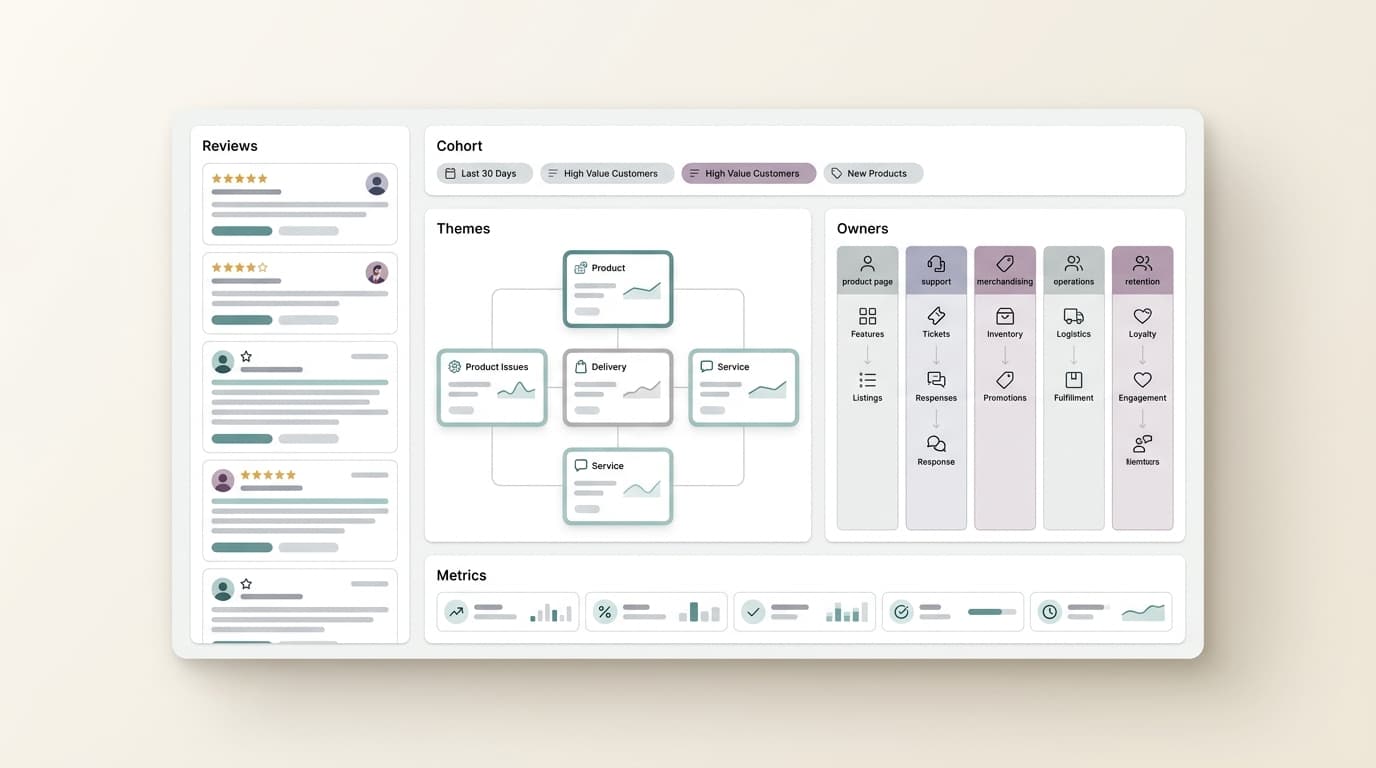
When glitches disrupt orders or prices, understanding the customer’s reaction is pivotal. VOC.AI demonstrates this principle by analyzing large volumes of post-glitch reviews, discerning not just the frequency of complaint keywords, but the underlying sentiment—frustration, opportunism, or skepticism—embedded in the feedback. Sellers thus gain a nuanced view: Are customers disappointed by the resolution, or do they see it as a windfall? This deeper, semantic-level analysis enables sellers to craft balanced post-glitch communication strategies, prevent brand damage, and iterate product offerings accordingly.
Use Case 4: Customer Service Enhancements Via Feedback Analysis
Beyond pricing errors, a warehouse disruption glitch results in late shipments to thousands of buyers. Sellers using VOC.AI can rapidly identify that the primary pain points cited in reviews relate to poor communication, not just the delays themselves. By focusing improvements here (e.g., real-time status updates, pro-active outreach), brands can turn potentially damaging glitches into moments that reinforce customer trust.
Challenges and Limitations of Addressing Amazon Glitches
Despite continuous investment in platform stability, Amazon glitches present persistent hurdles, many of which are difficult—if not impossible—for individual users or sellers to control directly.
Predictability and Transparency
- Unpredictable Nature: Glitches can be triggered by rare sequences of actions or exotic combinations of high-order system events, making them hard to anticipate.
- Opaque Infrastructure: Amazon’s proprietary systems limit visibility for external users, restricting diagnostic access and delaying resolution.
Potential for Financial Loss and Exploitation
- Unauthorized Refunds: Consider the "Amazon refund glitch" scenario wherein sellers or buyers receive unintended credits. Such errors, if exploited, can result in significant losses and attracts fraudsters.
- Lost Sales and Reputation Damage: Prolonged disruptions can result in canceled orders, negative reviews, and diminished seller metrics. The downstream effects can be magnified by algorithm-driven rankings, with longer-term business impact.
Legal and Policy Risks
- Risk of Sanctions: Attempting to exploit glitches (e.g., to score "free" products or manipulate system errors) can lead to account suspensions, withheld funds, and even legal repercussions.
- Policy Ambiguity: Not all glitches are explicitly covered by Amazon’s user agreements, creating gray areas for dispute resolution.
Limited Control
- Reliance on Amazon’s Response: Sellers must often wait for Amazon’s internal support teams to resolve issues, with limited ability to intervene directly.
- Inconsistent Update Flows: Platform improvements or emergency patches sometimes introduce new issues while resolving older ones, perpetuating the glitch cycle.
Future Trends: Evolving Landscape of Amazon Glitches
Looking ahead, the nature and frequency of Amazon glitches will continue to evolve alongside the platform itself. Several trends are emerging:
Integration of Artificial Intelligence
As Amazon automates more processes—recommendations, pricing, customer queries—new classes of AI-driven glitches will emerge. Examples include:
- Erroneous voice assistant responses ("Amazon Alexa glitch")
- Automated product recommendations gone awry
- Machine-detected fraud prevention ruling out legitimate buyers
While these features promise scalability and personalization, they also introduce complex new failure modes requiring equally sophisticated monitoring and remediation.
Growing Importance of Data Security
With vast troves of customer and transaction data, security lapses or unauthorized data flows pose an ever-growing glitch risk:
- Data leaks or misconfigurations could have platform-wide impacts, from breached privacy to regulatory penalties.
- Enhanced anomaly detection—powered by solutions like Datadog and New Relic—will become essential for real-time defense.
Interconnected Ecosystems and Service Outages
As Amazon expands its ecosystem (logistics, groceries, streaming, etc.), a bug or outage in one vertical increasingly impacts others. Outage propagation across services is likely to intensify unless addressed by more robust cross-platform monitoring and rapid failover strategies.
Proactive Monitoring and Automation
Automated DevOps practices and self-healing systems will gain momentum. Machine learning-based anomaly detection, predictive maintenance, and autonomous rollback mechanisms will play bigger roles in preempting large-scale disruptions.
Conclusion: Navigating the Amazon Glitch Era
Amazon glitches, although infrequent relative to the platform's vast operational scale, are defining features of today’s digital commerce. For buyers, vigilance and knowledge provide a path to both safety and opportunity. For sellers, the right monitoring tools and post-glitch review analytics establish the difference between recovery and reputation damage.
- Understand the technical components and triggers.
- Invest in tools for real-time monitoring and nuanced customer understanding.
- Act with integrity—capitalize responsibly, mitigate swiftly, and foster trust.
For sellers especially, platforms like VOC.AI stand out by enabling deeper semantic analysis of review data—not just spotting when glitches happen, but deciphering how they shape customer sentiment, intent, and loyalty. In the ever-evolving landscape of Amazon, preparing for technical hiccups is not optional; it is the bedrock of sustainable success. Whether you are a buyer seeking smart shopping or a seller protecting your brand, stay alert, stay informed, and leverage every advantage to turn Amazon glitches from setbacks into strategic opportunities.