The ASIN number is also called the Amazon Standard Identification Number. It is one of the key identifiers on Amazon. Every product has its own ASIN. This code keeps the catalog organized and easy to search. It also links each item to the correct product page. When sellers look for new products or check existing listings they rely on this code. When researchers study the market they use it as a starting point. Understanding the ASIN number meaning helps you work with Amazon in a clearer way.
This article explains what an ASIN is and why Amazon uses it. It also shows how to find it and how Amazon creates it. You will see how ASINs compare to other product codes and how they support daily decisions for sellers and brands. When you finish reading you will know what an ASIN does and how it helps you work more confidently on Amazon.
What is an ASIN Number?
An ASIN number is a code that Amazon gives to every product in its catalog. It works like a fixed ID that marks one specific item. Many sellers want to know what does asin number stand for. It stands for Amazon Standard Identification Number. This name shows that the code belongs to Amazon and not to any outside system. Amazon uses this ID to keep each product separate from others. It also uses it to link search results to the right listing. When shoppers type a product name the ASIN helps Amazon deliver the correct page. This simple system keeps the marketplace clear and stable even when millions of new items appear every year.
The asin number definition is very direct. It is a ten character code that holds one product and its data in a single place. The code helps Amazon track product changes and manage huge volumes of listings. You can check an asin number example on any detail page to see how it works. Each code stays tied to the same item for its entire life. Sellers use this ID when they create listings or study competitors. Shoppers use it when they want to confirm details or search for a very specific product. The ASIN creates order and structure inside a fast growing and crowded marketplace.
ASIN Number Meaning and Full Form
The full meaning of an ASIN comes from its role as a fixed product ID inside Amazon. The term Amazon Standard Identification Number shows that the platform uses one clear code to mark each item. The idea is simple. Amazon creates a label that helps it track millions of listings with steady control. The full form also shows that the ASIN acts as a direct link between the product and the page that displays it. Sellers can use this ID to confirm that they are working with the right listing. Shoppers can use it to check small details when they want the exact version of an item.
Some categories follow special rules. Books follow a system that connects the book asin number with the ISBN. This link creates a shared identity for printed titles. It also raises questions about the asin/isbn number match. The two codes often point to the same book. They both help readers find the correct edition and format. This makes books one of the few categories where an ASIN works with another long standing ID at the same time.
The Difference Between ASINs for Books and Other Products
Books follow a long standing system that uses global publishing IDs. Amazon accepts these IDs and uses them to build the book page. This creates a direct link between the printed book and its listing. Many sellers compare asin number vs isbn when they look at book pages. The ISBN belongs to the publishing world. The ASIN belongs to Amazon. The two codes often point to the same title but they exist for different reasons.
Other products do not follow the same path. They come from factories and use labels that depend on the brand or maker. These labels do not match Amazon rules. This leads sellers to compare asin vs model number when they check product details. The model number helps the brand track its item. The ASIN helps Amazon track the listing. Both codes can appear on the same page yet each one serves a separate role. This clear split shows why books and other products use different ID systems.
ASIN Number Format and Structure
The asin number format follows a simple pattern. It uses ten characters. The code can contain letters or numbers. Amazon builds this code to keep every listing in order. The structure stays fixed so sellers can read it with ease. This stable setup helps Amazon group products sort search results and link items to the correct page. The format never changes across categories so sellers can trust the pattern.
Many new sellers mix the ASIN with other codes. Some even think an ASIN acts like an asin tracking number. The two ideas are not the same. A tracking number follows a package. An ASIN identifies a listing. The ASIN does not move with the shipment and it does not show delivery progress. It only marks the product in the Amazon system. This clear structure helps Amazon and sellers manage large catalogs without confusion.
Why is the ASIN Crucial for Sellers and Shoppers?
The ASIN works as the main ID for every listing on Amazon. It keeps the catalog stable and helps both buyers and sellers move with confidence. A clear code builds trust and reduces mistakes in the marketplace.
Sellers check amazon seller central asin when they manage their product pages. They use the ID to confirm page status and track listing health. This gives them a clear view of how each item appears in the system.
Many buyers look for the ASIN when they compare products. They ask where is the asin number on amazon because the code helps them verify item details. This keeps them safe from wrong pages and mixed listings.
l The ASIN also helps sellers study the market. They follow changes in demand and review each product group. This ID works like a stable anchor that holds all data for one listing.
l Research tools use asin number lookup to open pages fast. Sellers depend on this to check competitor items and confirm variations. This simple step saves time and improves product research.
How to Find and Look Up an ASIN
You can view an ASIN by opening the product page and checking the product details section. The code appears with the key information for the item. Users read it to confirm that they are looking at the correct listing. This simple step helps them verify the product before they continue with any action on Amazon.
Many sellers prefer a faster method. They use amazon asin number lookup to open the correct page with one entry. This tool gives them direct access to the item they want to study. It works well for quick checks and helps them review product groups or compare competitor listings with ease.
Finding the ASIN on an Amazon Product Page
You can find the ASIN by opening the product page and checking the section that lists the key facts about the item. People who want a clear path often look up how to find product asin number because the ID always stays in the same part of the layout. It sits in the product info box as a short code. Once you see it you can match the listing with the item you have in mind.
Sellers check this area when they prepare new listings. They look for the asin number for new product to see if a code already exists for that item. If the ASIN appears they can join the current page. If it does not they can move forward with a new listing. This one step keeps the catalog organized and helps sellers avoid duplicate pages.
Using the Amazon ASIN Number Lookup Tool
You can use an asin number lookup tool when you want a direct path to a product page. The tool lets you enter the asin number and open the listing right away. This works well when you want to check item details without searching through long results. It also helps you confirm that the code leads to the correct product.
Sellers use lookup tools when they study the market. They open pages fast and view variations in a clear way. This simple method saves time because the tool takes them straight to the page they need. It also reduces mistakes because the lookup connects only to one listing.
Finding Your Own Product's ASIN (Seller Central)
You can view your asin number inside your Seller Central account. The page for each item shows the code along with the main details for that listing. This helps you confirm that your product connects to the correct page. You can open the manage inventory section and see the ASIN next to your item title. The code stays in a fixed place so you can locate it with ease.
Sellers who work with new listings often check amazon seller central asin before they update product data. This keeps their catalog organized because they can match each item with the right ID. The ASIN also helps them track changes and review listing health. A clear ID makes product management simpler and reduces the chance of errors.
The ASIN Creation Process
A new asin number is generated when a product is added to Amazon for the first time. To understand how to create asin number, sellers must provide complete product details in Seller Central. Amazon reviews the information and checks the catalog for existing matches. If no match exists, the system assigns a new ASIN. This ensures each listing is unique and easy to track in the marketplace.
Some sellers consider using tools called asin number generator, but these cannot produce valid codes. Only Amazon can create an official ASIN. The platform guarantees that every code links to one product and follows a consistent standard. This controlled process keeps the catalog organized and reliable for both buyers and sellers.
How to Get an ASIN Number for a New Product
To get an asin number for a new product, you start in Seller Central. Enter all the product details. Include the title, brand, category, and specifications. Submit the listing. Amazon then checks if a matching item already exists. If it does not, the system generates a new ASIN. This process explains clearly how to get asin number for products not yet on Amazon.
Each ASIN is unique. It links the product to a single page. This keeps the catalog organized. You can use the ASIN to track inventory and monitor performance. It also helps prevent duplicate listings. The system ensures every new product has one correct identifier.
When is a New ASIN Created vs. Using an Existing One?
A new asin number is created when Amazon cannot find a matching product in its catalog. This usually happens for items that are completely new or unique. Sellers must provide accurate details to ensure the system can identify duplicates. Errors in submission can lead to asin creation errors. These mistakes may create duplicate listings or prevent the ASIN from generating correctly.
Amazon uses existing ASINs when a product is already listed. Sellers can add their offer to the current page instead of creating a new code. This keeps the catalog organized and avoids confusion. Understanding when to create a new ASIN and when to use an existing one helps sellers maintain correct listings and track their products effectively.
The Role of GTINs (UPC/EAN) in ASIN Generation
Amazon uses GTINs like UPC and EAN to help assign an asin number. When a product has a GTIN, Amazon checks the catalog for a match. If it finds one, the system links the product to the existing ASIN. If it does not, Amazon creates a new ASIN. This prevents duplicate listings and keeps the catalog organized. Knowing the difference between asin number vs upc is important. The ASIN is only for Amazon, while the UPC is a global code.
GTINs make adding new products faster. They help Amazon verify items and reduce mistakes. Sellers who provide the correct codes avoid errors and ensure each product is easy to track. The process keeps the catalog reliable and simple for everyone.
ASINs vs. Other Product Identifiers
The asin number is Amazon’s internal product ID. Other identifiers exist for different purposes. A UPC or EAN is a global code used by manufacturers. A model number is used by brands to track items. Sellers often compare asin vs model number to make sure they list the correct product. The ASIN connects directly to the Amazon catalog, while model numbers can vary between sellers.
A report from GS1, the global organization that manages UPC and EAN codes, highlights the importance of standardized product identifiers. It explains that using global codes together with platform-specific IDs like ASINs helps maintain accurate listings, prevent duplicates, and keep marketplaces organized. For books, ISBNs serve a similar role. Combining these identifiers ensures clarity and reliability in product tracking.
ASIN vs. UPC/EAN (Global Trade Item Numbers)
The asin number is Amazon’s unique product ID. UPC and EAN codes are used globally by manufacturers. When listing or reviewing products, sellers often need to know how to find asin number for an item. The ASIN identifies the product within Amazon, while UPC and EAN work across all sales channels. Using both ensures listings are accurate and prevents confusion.
The ASIN can also help you locate a product quickly. You can search amazon by asin number to open the listing directly. This is useful for comparing items or checking details. Combining ASINs with global codes keeps the catalog organized. It ensures each product links to the correct page every time.
ASIN vs. SKU (Stock Keeping Unit)
The SKU is a code that sellers create to manage their inventory. It is unique to their account and does not appear on Amazon’s public listings. The ASIN identifies the product on Amazon, while the SKU helps sellers track stock and variations. To ensure accuracy, sellers often need to know how do i find my asin number on amazon so they can link their SKU to the correct listing. This helps avoid mistakes like mislabeling or overselling products.
Checking the ASIN regularly is crucial for inventory management. Using tools or your seller account, you can how to check asin number for any product. This step helps match SKUs with the correct ASINs and ensures listings are updated properly. Combining ASINs with SKUs also makes it easier to monitor stock levels, track performance, and organize multiple products efficiently. It reduces errors and keeps the catalog structured.
ASIN vs. Model Number/Serial Number
The ASIN is Amazon’s internal product identifier. A model number or serial number is assigned by the manufacturer. Sometimes, the codes appear in the same as serial number, but they serve different purposes. The ASIN links a product to the Amazon catalog. The model or serial number helps track production, warranty, or version information.
A report from the National Institute of Standards and Technology (NIST) emphasizes that standardized identifiers improve accuracy and traceability. Using ASINs alongside model or serial numbers helps sellers and Amazon avoid errors. It ensures listings are correct, prevents duplicate pages, and allows buyers to find the exact product they want.
Advanced ASIN Management and Strategy
Managing ASINs requires more than just listing products. Duplicate ASINs can appear for the same item, which may split reviews and sales data. Using asin merging helps combine these listings into a single page, keeping product information consistent and clear. Sometimes, a product may show no asin number on amazon because of errors or incomplete data. These issues can affect visibility and sales if not addressed promptly.
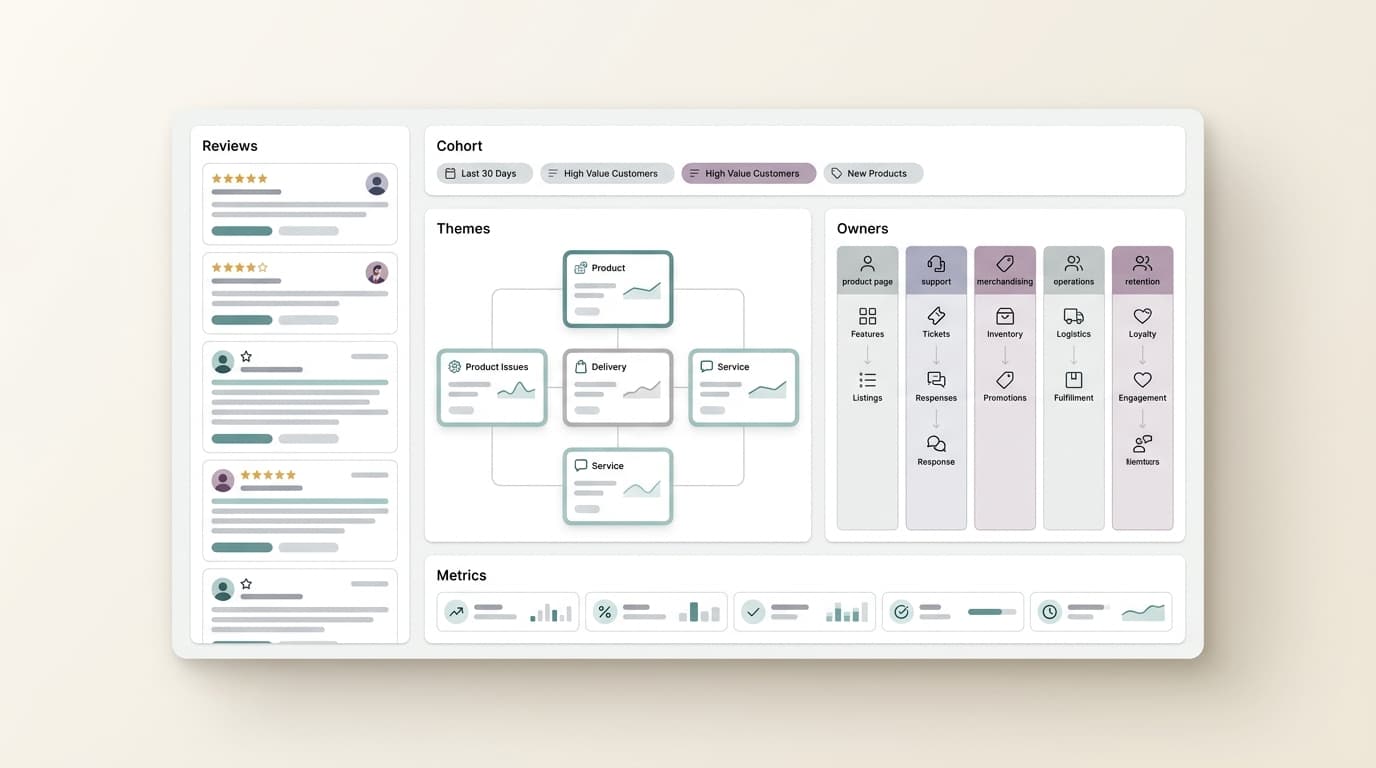
Sellers can benefit from monitoring listings and reviews carefully. Identifying duplicates, tracking missing ASINs, and analyzing feedback can reveal opportunities for improvement. By leveraging VOC Insight, sellers can use Amazon review analysis to guide product selection. This approach helps identify customer needs, spot potential winners, and make smarter decisions based on real feedback. Managing ASINs becomes more efficient and targeted when supported by actionable insights from the platform.
Strategic Use of ASINs in Competitive Analysis
ASINs help sellers understand their competitors. They allow tracking of product listings and prices over time. Sellers can also see customer reviews and ratings. Observing these details shows which products sell well and which do not. This information helps plan pricing and promotions. It also helps manage inventory effectively. ASINs can reveal gaps in the market. Sellers can use these gaps to explore new product opportunities.
Comparing ASINs across listings shows why some products succeed. Sellers can study features and images. They can also read customer feedback to improve their own listings. Monitoring changes in competitor performance helps make better decisions. Using ASINs for competitive analysis provides clear guidance. It can boost sales and improve visibility. It helps sellers stay ahead in a crowded marketplace.
Troubleshooting Common ASIN Issues
Managing ASINs can be challenging. Here are common problems and how to fix them:
Duplicate ASINs
Sometimes a product has more than one ASIN. This splits reviews and sales data. Sellers can merge duplicates. This combines information and keeps listings clear.
Missing or Wrong ASINs
A product may not show correctly. This happens when details are missing or entered wrong. Checking and updating the listing usually fixes it.
Wrong Product Variations
Variations like size or color may be set up incorrectly. This confuses buyers. Sellers should check the variations and correct them.
Suppressed or Blocked ASINs
Amazon may suppress a listing for rule violations. Sellers need to review the listing. Fix errors and submit it for approval. This restores visibility.
Regular Monitoring
Check ASINs often. This prevents small errors from becoming big problems. Monitoring keeps the catalog organized. It also ensures products stay visible to buyers.
The Future of ASINs: Amazon's Brand Registry and Transparency
The asin number will continue to play a key role on Amazon. Brand Registry helps protect products and ensures that ASINs are correctly linked to the right brand. This reduces fake listings and improves trust with customers.
Transparency programs add another layer of protection. Products are verified and each ASIN is tracked from the manufacturer to the customer. This ensures authenticity and prevents counterfeits.
As Amazon evolves, ASINs will remain central to managing listings. Proper use of ASINs helps sellers maintain accurate catalogs. It also improves product visibility and customer confidence. Understanding these systems will be important for future success on the platform.
Conclusion
The asin number is an important identifier on Amazon. It keeps each product unique and links it to the correct listing. Sellers use ASINs to manage stock and track competitors. Knowing how ASINs are created and maintained helps prevent mistakes. Proper management makes listings clear and improves product visibility. Understanding ASINs makes selling on Amazon easier and more reliable.
Frequently Asked Questions
Can ASINs be reused for different products?
No. An asin number belongs to a single product. Amazon does not allow the same ASIN for another item. Each ASIN is unique and keeps the catalog organized. If two products shared one ASIN, reviews and sales could get mixed. Sellers should check the catalog before creating a new listing. Using the correct ASIN avoids confusion. It also ensures that buyers find the right product. Unique ASINs make the marketplace clear and reliable.
Can an ASIN change over time?
No. Once Amazon assigns an ASIN, it stays with that product. Changing the title, description, or images does not create a new ASIN. Duplicate listings can be merged, but the original ASIN remains. This keeps sales records and reviews intact. Sellers can rely on the ASIN as a permanent reference. It makes inventory tracking easier. The fixed ASIN prevents mistakes. It ensures the product stays connected to the correct listing.
Can I use an ASIN outside Amazon?
No. ASINs work only on Amazon. They identify a product within the platform. They do not replace global codes like UPC, EAN, or ISBN. These codes are used for shipping and tracking worldwide. Sellers use ASINs to manage Amazon listings and monitor products. Understanding this difference helps keep data accurate. Each ASIN links only to its Amazon page. It ensures customers find the right item and avoids mix-ups.