Selling books on Amazon is one of the easiest ways to start an online business today. You can resell used books. You can also self-publish your own. Learning how to sell books on Amazon gives you the knowledge to make smart decisions. If you are new to the platform, understanding the basics of selling books as a beginner can help you avoid common mistakes and move forward with confidence. You will learn how to choose the right books. You will learn how to sell them effectively. This way you can turn your knowledge into action and achieve success on the platform.
Why You Should Sell Books on Amazon Now
The book market is changing quickly. More people buy books online. Traditional bookstores face big challenges. They cannot compete with online shopping. Learning how to publish and sell books on Amazon gives new sellers a clear starting point. It explains each step to reach buyers. This knowledge helps beginners avoid mistakes. It also saves time.
The global self-publishing market is growing fast. A Self-Publishing Market Research Report shows the market reached 1.85 billion USD in 2024. Experts say it could reach 6.16 billion USD by 2033. More authors create e-books now. Print-on-demand books and audiobooks are also growing. More people read digitally and use mobile devices. These changes create new chances for anyone who wants to sell books.
Many sellers want to know how to sell more books on Amazon. Success comes from knowing what readers want. Digital trends make it easy to spot popular books. Sellers who watch these trends can find good opportunities. They can adjust quickly when the market changes. Understanding demand helps sellers improve results. It also helps them make better decisions over time.
The Two Paths to Selling Books on Amazon
There are two main ways to sell books on Amazon. Each path offers unique opportunities. Each requires different skills and approaches. Understanding the options helps beginners know what to expect. Knowing how to sell books on Amazon gives a clear starting point for anyone new to the platform.
Path 1: Reselling Physical Books (FBA/FBM)
Reselling physical books is where many new Amazon sellers begin. Paperbacks are usually the first choice. They are light, easy to handle, and simple to ship. People who look into how to sell paperback books on Amazon often start with them because the work feels clear and manageable.
Paperbacks are also easy to find. Most thrift shops keep piles of them on open shelves. You can walk in, look around for a few minutes, and spot several worth picking up. Charity sales and small weekend markets usually have low-priced books as well. You choose copies with clean pages and no heavy wear. Books in good shape sell faster and help you keep expenses low.
Once you bring the books home, you can add them to your Amazon listings. Buyers trust you more when your condition notes are simple and honest. A fair price gives your listing a better chance to stand out. You can use FBA if you want Amazon to store and ship your orders. You can use FBM if you like handling the shipping yourself. Either option works as long as you stay organized and pack each order with care.
Path 2: Self-Publishing (Kindle Direct Publishing - KDP)
Self-publishing gives you a chance to create your own books and place them directly in front of readers. You write the content, design the cover, and upload the files through KDP. The platform prints each copy when a customer places an order. This removes the need for storage, printing runs, or upfront inventory. It also gives you the freedom to update your book whenever you need to.
KDP works for many types of books. Some authors publish detailed guides or stories. Others focus on simple formats like journals or planners. These books are easy to produce and still attract steady demand. As you publish more titles, your catalog grows and reaches more readers over time.
Quick Comparison: Which Path is Right for You?
Each path offers its own style of work. Reselling gives you a fast way to start because you can pick up books and list them on the same day. This path suits people who enjoy searching for deals and want to learn how to sell old books on Amazon without spending much upfront. It also works well if you like simple tasks and steady hands-on activity.
Self-publishing takes more creativity. You create the content and shape the book from scratch. This path fits people who want long-term results and enjoy building their own ideas into finished products. It grows slower in the beginning, but it can bring steady sales once you build a catalog and keep publishing new titles.
Reselling Books on Amazon
Reselling books on Amazon gives you a simple way to start selling without heavy costs. Many sellers begin with a few used books from local shops or garage sales. If you want to learn how to find books to sell on Amazon, this path gives you plenty of chances to practice and build skill through real picking and testing.
The idea is straightforward. You look for books that buyers still want and list them at a fair price. Some titles sell fast, while others take time. As you handle more books, you learn which genres move well and which ones are not worth grabbing. This steady learning process helps you grow your inventory with confidence and build a small but reliable book business.
Step-by-Step: How to Sell Used Books on Amazon
Selling used books on Amazon becomes simple once you walk through the steps. People often look for clear guidance on how to sell used books on Amazon, and the best way to learn is to start with a small group of books and follow a straightforward process.
The first step is gathering second hand books. You can find them in thrift shops, yard sales, or even in your own home. Many new sellers begin this way when they want to understand how to sell second hand books on Amazon, because it keeps the risk low. After picking your books, you check the sales rank and recent prices to see if each book has a good chance of selling.
Next, you create your listing. You note the book’s condition in simple and honest terms. Buyers rely on clear descriptions, so you mention any marks or wear. Then you set a price based on similar listings. After that, you choose how to ship. You can pack and ship each order yourself, or you can let Amazon handle fulfillment. Both methods work well as long as the book is packed safely and shipped on time.
Finding Profitable Books by Sourcing and Scanning
Finding profitable books starts with simple sourcing habits. Thrift stores, library sales, and small weekend markets often have shelves full of books at low prices. You look through the stacks, check the condition, and pull out copies that seem worth a closer look. With time, you build a sense for which places bring steady finds and which ones rarely give good results.
Scanning makes the process easier. Many sellers learn how to scan books to sell on Amazon while standing right in front of a shelf. A quick scan shows the sales rank, current price, and recent activity. This helps you decide if a book is worth buying or better left behind. The more you scan, the faster you spot strong titles and avoid dead stock. This simple habit keeps your inventory clean and your costs under control.
How to Get Approved to Sell Books
Before you start learning how to sell books on Amazon, it helps to know which book categories are restricted. Most used books are open to new sellers, but textbooks, collectible editions, and certain publishers may be locked. These rules protect buyers and keep fake products out of the marketplace. Understanding them early prevents confusion when you begin listing your first batch of books.
Some sellers want to know how to get approved to sell books on Amazon after they run into titles they are not allowed to list. Amazon may ask for simple documents, such as invoices or proof that your books come from trusted sources. Once you provide what Amazon needs, those categories often open up. At the same time, sellers also try to figure out how to sell restricted books on Amazon without making mistakes. The process is straightforward when you follow the guidelines. Getting approval expands your inventory options and gives you access to higher-value books with steady demand.
Self-Publishing Success with KDP
KDP offers a direct path for new writers. You upload your book and it becomes available to readers in many places. There is no need for printers or long wait times. You choose the cover and the layout. You set the price. You can change the file later if you see something you want to fix. This control helps you build your books one step at a time and reach more readers as you grow.
The KDP Ecosystem: Ebooks, Paperbacks, and Hardcovers
KDP gives you a simple way to publish in different formats. Each format reaches readers in a different way, and you can offer them all without adding extra work. This helps your book stay visible and flexible as your catalog grows.
Ebooks
Ebooks reach readers who prefer phones, tablets, and Kindle devices. Many writers start here because the setup is quick and the reach is wide. When you release an ebook, you also learn more about how to sell kindle books on amazon in a real and practical way, since you see how readers respond to your title and your pricing.
Paperbacks
Paperbacks give your book a physical form. Readers can mark pages, share copies, and keep the book on a shelf. KDP prints each copy only after someone orders it, so you avoid storage and shipping work. You can adjust the cover or the inside whenever you need to.
Hardcovers
Hardcovers offer a more solid feel. Some readers buy them as gifts, others keep them for long-term use. Once your paperback is ready, adding a hardcover takes little effort. It gives your book another format without extra risk.
Low-Content and No-Content Books: A Niche Strategy
Many new KDP creators look for simple book types that do not require long writing sessions. Low-content and no-content books fill this need. These books rely on layout and structure instead of heavy text, so you can build them fast and test new ideas with very little risk.
Low-content books include planners, journals, logbooks, and simple workbooks. They sell well because people use them every day for work or personal tasks. Many creators want to learn how to sell low content books on amazon, and the key often lies in picking a clear theme and designing clean pages that feel easy to use. A focused design helps your book stand out in a crowded niche.
No-content books are even simpler. These include blank notebooks, sketchbooks, and grid books. You only need a good cover and a layout that fits the purpose of the book. People who want to understand how to sell no content books on amazon often start with strong cover ideas and build their catalog from there. These books work well when you release them in sets that target different styles or audiences.
ISBN vs. ASIN: What You Need to Know
Before you publish, it helps to understand the two numbers Amazon uses to identify your book. They serve different roles, and knowing how they work makes the setup easier.
ISBN
An ISBN is the standard number used in the book industry. Bookstores, libraries, and distributors rely on it to track and list print books. KDP gives you a free ISBN for paperbacks and hardcovers, or you can buy your own if you want your own imprint name on the record. Each print format needs its own ISBN. A paperback and a hardcover cannot share the same one. Once the number is assigned, it stays with that version of your book.
ASIN
An ASIN is Amazon’s own product number. Every ebook on Amazon has one, and Amazon creates it for you as soon as your Kindle book goes live. You do not need to buy anything or fill out extra forms. The ASIN works inside Amazon’s system and helps readers find your ebook when they search or share your page. It keeps things simple and requires no extra action from you.
Costs, Fees, and Profitability Matrix
Understanding your costs is one of the most important parts of selling books on Amazon. Each path has its own fees, and these fees shape your profit on every sale. When you know where your money goes, you can price your book with confidence and avoid losses. This also helps you compare different methods and choose the one that fits your goals and budget.
The True Cost of Selling Books on Amazon
Many sellers wonder how much does it cost to sell books on amazon. The answer depends on how you sell. Each method has its own fees, and these affect the money you take home. Knowing them helps you price your books correctly and avoid surprises.
Selling physical books comes with referral fees and shipping costs. If you use FBA, Amazon also charges for storage and handling. Even used books with low buying costs can lose profit if fees are not considered. Keeping prices fair and notes accurate helps protect your earnings.
Self-publishing through KDP works differently. Paperbacks and hardcovers have printing fees, while ebooks only have royalty deductions. Your final profit depends on the price you set and the royalty plan you choose. Tracking all costs helps you see which books make money and which ones need adjustment.
Profitability Matrix: KDP vs. FBA vs. FBM
Understanding costs is key if you want to know how to sell books on amazon without losing money. Every method has its own fees and challenges.
KDP
You do not need to buy books in advance. Paperbacks and hardcovers have printing fees, while ebooks only take a small royalty. You can test new ideas quickly. Fix typos, change the cover, or adjust the price anytime. Many sellers start with KDP to see which books sell before investing more.
FBA
Amazon handles storage, packing, and shipping. It saves time but adds fees. Storage, fulfillment, and referral costs reduce your profit. Heavy books cost more. Picking the right titles carefully keeps margins higher.
FBM
You manage everything yourself. Shipping, packing, and customer service are on you. This can save money if you are organized. Mistakes can cost time and affect buyers. FBM works well if you want control and are ready to handle the work.
Tax and Legal Compliance for Book Sellers
If you are learning how to sell books on Amazon, you need to know the tax and legal rules. Some areas require you to collect sales tax. Others require you to report income or register a small business. If you sell physical books with FBA or FBM, keep records of every purchase, sale, and fee. Writing down these numbers makes tax time easier and helps you see which books actually make money.
For KDP, Amazon gives reports showing royalties, printing costs, and total earnings. Use these to report income correctly. Following the rules protects you from fines and problems. Keeping clear records and knowing your local regulations also makes it easier to grow your business safely.
Advanced Marketing and Scaling Strategies
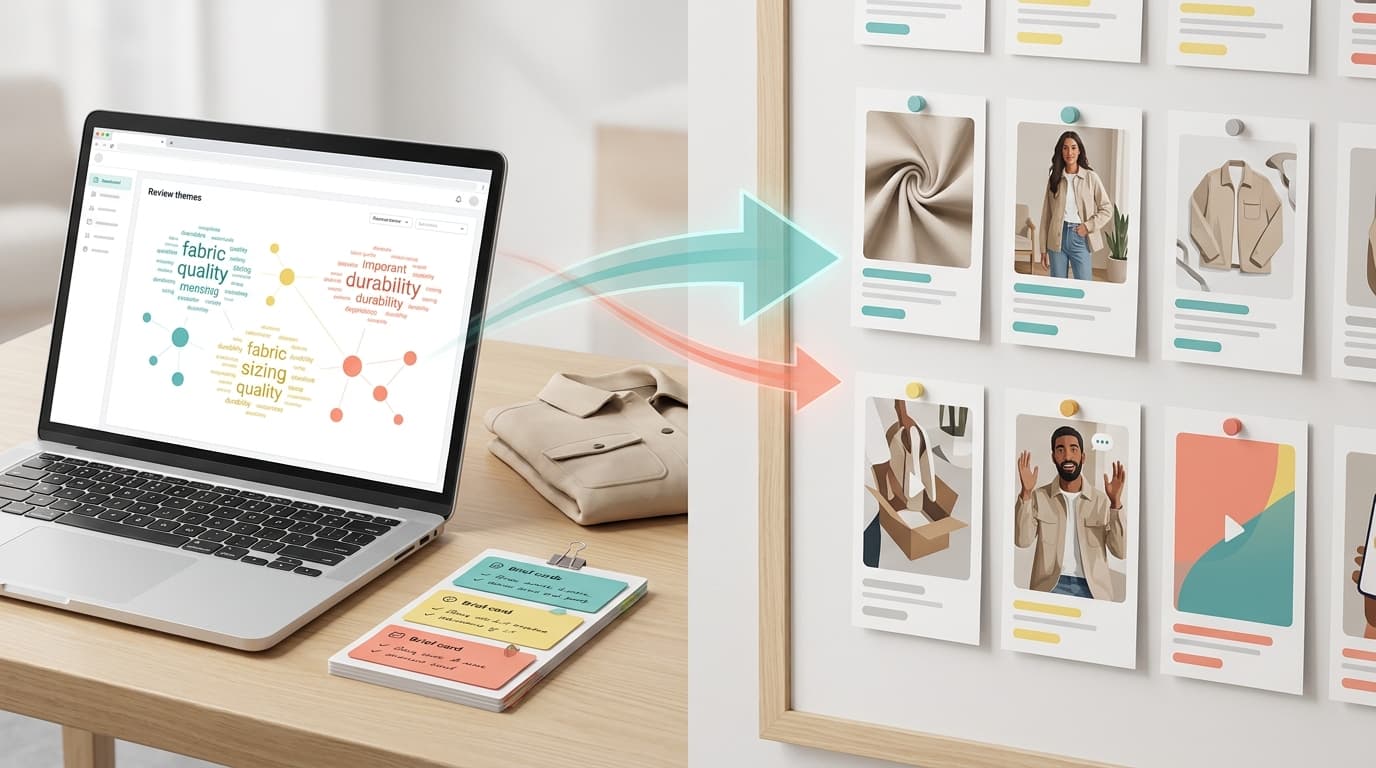
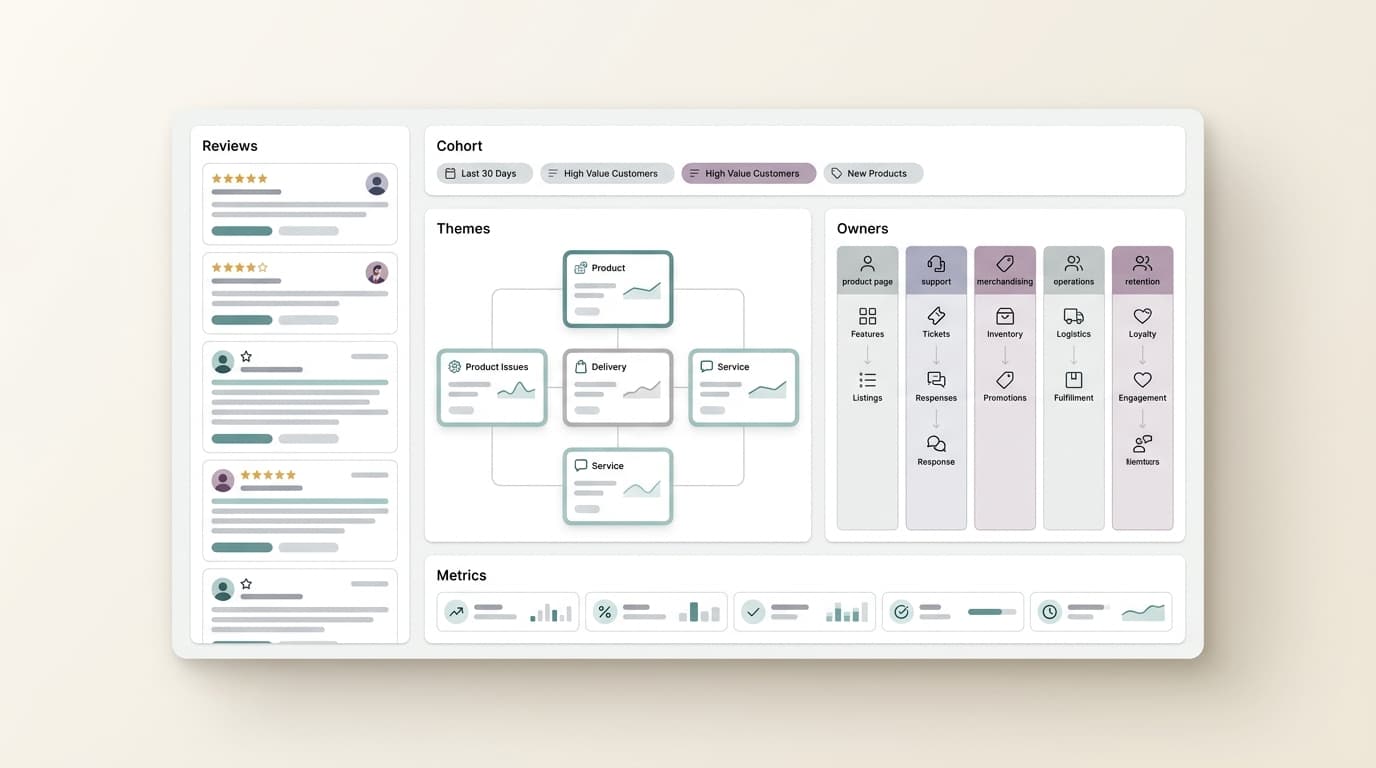
Selling books on Amazon is more than just creating listings. You need ways to reach more readers and boost sales. Sharing links on social media, blogs, or email lists can drive traffic to your books. Building a series or backlist helps because readers who enjoy one title often buy the next. Tools like VOC Insight are useful when picking which books to focus on, using Amazon review analysis to spot opportunities and track performance. It can also monitor negative reviews so you can adjust your listings and improve your strategy. Combining smart marketing with consistent releases and data-driven decisions helps your books sell better over time.
Beyond AMS: Driving External Traffic to Your Listings
Amazon ads help, but they cannot reach every reader. You need traffic from outside the platform to keep your books moving. Many authors use blogs, small websites, or simple landing pages to send readers directly to their Amazon listings. Some authors also want to know how to sell amazon books on my website so they can guide visitors from their own pages to the book they want to promote.
Short posts on social platforms and quick updates to email lists can also bring steady traffic. Small giveaways or joint promotions with other writers can add another push. These steps create more paths to your listings and help your books stay visible even when competition grows.
The Power of the Book Series and Backlist
Creating a series or building a backlist helps books keep selling over time. Readers who like one book often pick up the next. This approach also works well for niche products. For example, many sellers use it when they make activity books or journals. One popular option is coloring books. Learning how to create coloring books to sell on amazon can fit perfectly into a series strategy. Each new title adds value for returning buyers and keeps your catalog visible.
Multiple related titles let you cross-promote and offer bundles. A backlist with consistent releases strengthens your presence on Amazon and encourages repeat sales. Combining a series with niche products like coloring books gives you a steady stream of opportunities to grow.
The Future of Book Selling: AI and Automation
Selling books on Amazon is evolving fast. New tools and automation make it easier to manage listings, track sales, and optimize pricing. Following how to sell books on amazon step by step now often includes using AI tools to analyze trends and improve decisions.
A recent report on Amazon book sales shows that revenue continues to grow, with self-publishing and digital formats taking a larger share. Ebooks and paperbacks remain top sellers, and automation is helping sellers scale faster. Tools that track inventory, monitor reviews, and adjust prices automatically give a real advantage. For example, VOC Insight can analyze Amazon reviews to guide book selection and monitor feedback, helping sellers make smarter decisions.
Using AI and automation frees time to focus on marketing, creating new titles, and connecting with readers. Combining these tools with consistent releases and data-driven strategies allows sellers to stay ahead in a crowded market. As technology evolves, those who adopt it early can grow faster and respond to trends before their competitors do.
Conclusion
Selling books on Amazon gives many opportunities for new and experienced authors. You can choose different ways to sell and manage costs carefully. Using tools to track sales and reviews helps you make better choices. Following how to sell books on Amazon step by step shows you what works and lets you reach more readers while building your business steadily.
FAQS
Is it worth it to sell books on Amazon?
Yes. Selling books on Amazon can be worthwhile if done carefully. You can start with used books or your own titles. Choosing books readers want is key. Tracking fees and pricing correctly protects your earnings. Marketing helps your books reach more buyers. Begin with a few books to test the market. Learn what works before expanding. Consistency and patience make selling profitable over time.
Does it cost money to sell books on Amazon?
Yes, there are some costs involved. Physical books may need shipping or FBA fees. Amazon takes referral fees for every sale. KDP paperbacks and hardcovers have printing costs. Ebooks mainly take a royalty share. Keeping records of all expenses shows your actual profit. Starting small reduces risk. You can test different books without investing heavily. This way, you avoid surprises and manage money carefully.
How to sell books on Amazon for beginners?
First, create a seller account on Amazon. Decide if you want to resell books or self-publish. List your book with clear details and photos. Set a fair price for buyers. Track inventory and sales daily. Use simple tools to monitor reviews and orders. Following guides on how to sell books on Amazon step by step helps beginners avoid mistakes. Start small, learn quickly, and grow steadily.
How many books to sell to make $100,000?
It depends on profit per book. At $5 profit each, you need 20,000 copies. Higher profit reduces the number needed. Printing, shipping, and fees reduce net earnings. Selling a mix of steady and popular books works best. Consistent sales over time matter more than rushing. Expand your catalog gradually. Careful planning and patience make reaching $100,000 realistic.