Magnetic keywords have fundamentally transformed the science of digital marketing and search engine optimization. Defined by their ability to attract specifically targeted audiences, these keywords act as a digital magnet—drawing in visitors with intent, filtering out the noise, and connecting businesses to individuals most likely to convert. In the competitive world of SEO in 2024, magnetic keywords are not a passing tactic, but the cornerstone of a successful, data-driven strategy. Unlike generic keywords that catch a broad but often uninterested net, magnetic keywords echo the voice, needs, and emotions of a precise audience. They capture nuanced intent, reflect lived experiences, and transform clicks into meaningful action. In today's digital landscape—where relevance, specificity, and engagement matter more than ever—the mastery of magnetic keywords distinguishes market leaders from the rest.
What Are Magnetic Keywords?
At their heart, magnetic keywords are highly specific search terms or phrases that deeply resonate with a defined set of users. Rather than casting a wide, generic net like “shoes” or “travel,” magnetic keywords might be “best trail running shoes for wide feet and pronation” or “budget-friendly family vacation in Italy with kids activities.” Their specificity immediately filters and attracts individuals actively searching for exactly what you offer. These keywords mirror the language, context, and emotions your audience uses, imbuing content with authenticity and relevance.
The Importance of Magnetic Keywords in SEO
Magnetic keywords do more than boost rankings—they create meaningful connections. When your content answers the exact query a user is searching for, you not only improve visibility but establish expertise and trust. Generic terms might drive traffic, but magnetic keywords drive conversions. By focusing on these, brands like VOC.AI have proven that understanding and leveraging the nuanced language of customers can unlock new levels of engagement, higher click-through rates (CTR), and sustainable organic growth.
The most successful digital brands in 2024 are not those who shout the loudest but those who speak the exact language of their ideal customer.
How Magnetic Keywords Work: Mechanism and Underlying Logic
The magnetic keyword methodology blends several key mechanisms, setting it apart from standard keyword approaches:
- Resonance with Search Intent: The core of effectiveness lies in alignment with user intent. When a keyword reflects what a user truly wants to find—be it to solve a problem, make a purchase, or simply learn—content using this keyword acts like a beacon.
- Specificity over Breadth: By narrowing focus to highly qualified traffic, magnetic keywords weed out irrelevant clicks. For example, “best ergonomic office chair for back pain” preselects your target: those suffering from discomfort and seeking a solution.
- Emotional Engagement: Language is a powerful tool. Phrases like “stress-free travel planning” or “guaranteed allergy relief” do more than inform—they evoke. The right emotional triggers encourage deeper interaction.
- Mirror Audience Language: Magnetic keywords echo the tone, phrasing, and terminology your audience uses themselves, not what marketers think they should say. This natural mirroring makes content relatable and trustworthy.
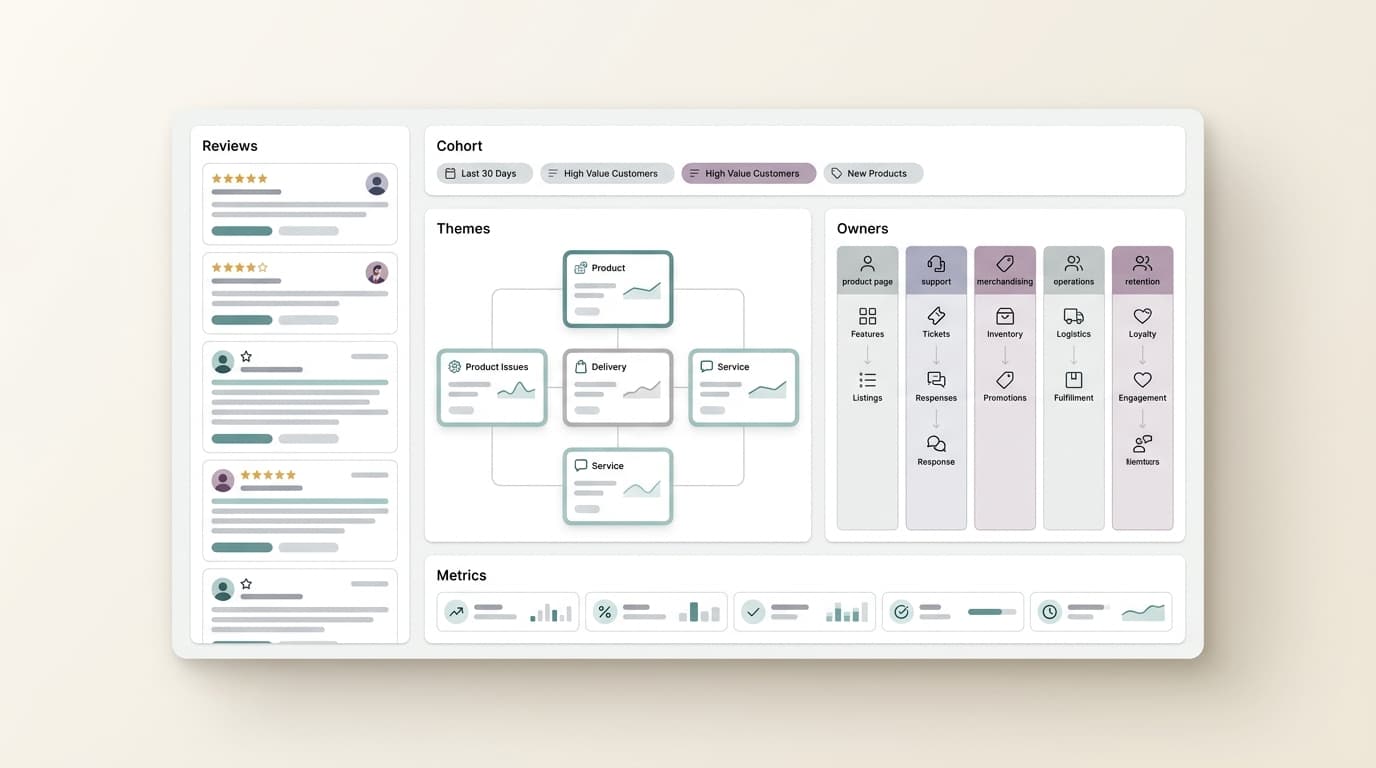
The technical backbone involves data: tools like VOC.AI, Google Keyword Planner, SEMrush, or Ahrefs gather real user language from reviews, search data, and competitor analyses. Machine learning can now sift through millions of data points to surface not only what is searched, but why and how.
The Underlying Science
Modern search algorithms parse through context, intent, and semantics. No longer do they rely solely on keyword frequency. Magnetic keywords, with their specificity, provide stronger contextual signals. Google’s BERT, MUM, and similar algorithms now infer meaning and relationships between words, making magnetic keyword optimization even more critical. They enable content to better match long-tail, conversational, and intent-driven search queries.
Key Components and Elements of Effective Magnetic Keywords
Success with magnetic keywords comes from a thoughtful combination of the following core components:
1. Search Intent Analysis
Every successful keyword starts with understanding intent. Are users seeking information, comparing products, hunting for a deal, or ready to buy? Google Keyword Planner, SEMrush, and VOC.AI shine in uncovering intent—VOC.AI, for example, analyzes the actual questions and pain points surfaced in customer reviews, revealing not just what users search, but why.
2. Long-Tail Phrasing
Long-tail keywords usually take the form of three or more words, providing high granularity. Instead of the battleground of “shoes,” targeting “lightweight waterproof hiking shoes for narrow feet” brings in visitors with a high likelihood of conversion. The specificity of long-tails reduces competition and amplifies conversion rates, especially in crowded markets.
3. Emotional and Value-Based Triggers
Words and phrases designed to provoke emotion (“stress-free,” “exclusive,” “guaranteed results,” “affordable luxury”) transform static searches into active clicks. The emotional resonance boosts CTR by aligning with the user's subconscious motivations.
4. Industry Jargon and Expert Language
Technical or niche terms signal expertise and attract a knowledgeable segment already invested in your topic or product. A fitness brand might target “HIIT routines for postpartum women,” while a fintech firm could use “tax-advantaged retirement strategies.”
5. Competitive Landscape and Unmet Opportunities
Analysis of what competitors target—and what they miss—enables differentiation. Ahrefs, Moz, and Helium 10 provide data on which terms are saturated and which have untapped potential. Tools like VOC.AI further hone this by surfacing terms and language derived directly from customer feedback, often revealing high-value opportunities overlooked in traditional research.
Benefits and Advantages of Using Magnetic Keywords
Harnessing magnetic keywords is not just a tactical win. It drives multifaceted benefits that touch nearly every aspect of digital marketing effectiveness:
- Improved Search Engine Rankings: Specific keywords respond directly to user intent, sending strong relevance signals to algorithms. This translates into higher SERP positions for your target queries.
- Higher CTR and Qualification: Content optimized for magnetic keywords appears more relevant, prompting more frequent and meaningful clicks from users genuinely interested in your solutions.
- Increased Conversion Rates: Attracting users who are primed to engage raises the conversion probability, whether for purchases, downloads, or other goals.
- Enhanced Brand Authority: By showing a deep understanding of customer pain points and preferences, your brand is positioned as a trusted advisor in your niche.
- Greater Content Efficiency: Instead of creating endless generic content, focusing on magnetic keywords allows for concise, impactful materials that punch above their weight in ROI.
Data consistently demonstrates that pages targeting these specified queries outperform more generalist content across every key performance metric—traffic quality, engagement, and conversion.
Use Cases and Real-World Applications
The applications of magnetic keywords are as broad as they are powerful, spanning sectors and digital tactics:
1. E-commerce Product Listings
Retailers optimize product pages with magnetic keywords derived from actual customer feedback. For a product like a standing desk, phrases such as “best adjustable standing desk for petite people” convert significantly better than “standing desk.” VOC.AI is a leader here, helping sellers analyze original Amazon review content to capture magnetic keywords customers use spontaneously, uncovering real buying triggers.
2. Blog Content and Educational Resources
Long-form guides, how-tos, or explainer posts leverage highly-targeted queries like “how to choose eco-friendly skincare for sensitive skin.” This draws a self-selected, conversion-oriented audience while simultaneously boosting authority and providing genuine solutions.
3. Paid Search Campaigns
Ad platforms reward relevance. Magnetic keywords lower cost-per-click by attracting high-quality impressions and improving ad quality scores. For instance, a campaign built around “airport transfer services for large families” ensures ads only show to highly-interested prospects.
4. Social Media and Video Optimization
Platforms like YouTube and TikTok rely on specific titles, tags, and descriptions. Magnetic keywords such as “easy vegan recipes for picky eaters” can make the difference between being overlooked and going viral. [Image: Video content using magnetic keywords for high discoverability]
VOC.AI in Action: A Case Study
Consider an Amazon seller struggling to differentiate amidst dozens of similar products. By using VOC.AI to analyze review content, they uncover that “easy to assemble,” “quiet motor,” and “compact storage” repeatedly appear in positive customer reviews. Instead of generic descriptions, the seller rewrites listings to include these phrases. The result: a measurable rise in rankings for these long-tail keywords, a swelling in relevant traffic, and a double-digit lift in conversion rates. This example demonstrates not only the power of magnetic keywords, but also the value of leveraging advanced semantic analysis tools to surface otherwise-hidden buying triggers.
Challenges and Limitations of Magnetic Keyword Strategies
While the merits of magnetic keywords are profound, success is not without hurdles:
1. Research Complexity and Resource Intensity
Identifying truly magnetic keywords is more nuanced than pulling high-volume terms from a keyword database. It demands qualitative research, access to advanced tools, and ongoing analysis. Subscriptions for platforms like SEMrush, Ahrefs, or VOC.AI are investments, but essential for accessing the deep data necessary for fine-tuned optimization.
2. Competition and Market Saturation
In lucrative niches, the fiercest battles are often waged over the best-converting magnetic keywords. Dominant incumbents may have entrenched themselves on the most obvious queries, making it necessary to dig deeper for underutilized and emergent opportunities—often found by analyzing raw customer language rather than just search data.
3. Low Search Volume Trade-Off
By definition, magnetic keywords narrow the audience. The total traffic pool is smaller than for generic terms, but the quality is higher. For some brands, this trade-off must be carefully managed to ensure overall visibility meets commercial goals. Balancing a portfolio of high-specificity keywords with a few broader terms can alleviate this limitation.
4. Content Demands and Complexity
Magnetic keyword-focused pages must be tailored in both language and substance. This requires in-depth audience analysis and an editorial approach that transcends formulaic writing. Content must solve a tangible problem or answer a specific question, which can be resource- and expertise-intensive.
5. Relevance and Adaptation
Magnetic keyword relevance shifts as language, technology, and consumer behavior evolve. Tools like Google Analytics and Search Console are instrumental in tracking shifts, but regular review and agile iteration are required for ongoing effectiveness. In 2024, adaptation is a necessity, not an option.
Overcoming the Challenges: The VOC.AI Approach
VOC.AI demonstrates how tapping into the “voice of the customer” through semantic analysis uncovers new long-tail keywords—as customer pain points, use-case language, and emotional triggers are in flux. This dynamic, intent-driven method keeps keyword strategies current, relevant, and profitable.
Future Trends Shaping Magnetic Keyword Optimization
Magnetic keywords are adapting rapidly alongside the shifting digital environment. Key trends in 2024 include:
1. Rise of Voice and Conversational Search
Users are now asking complex, natural questions via voice assistants. This favors longer, more conversational magnetic keywords such as “what’s the best water bottle for camping with kids?” Brands that preempt these queries with focused content dominate emerging SERPs.
2. Smarter Semantic Search
Search engines leverage AI to understand context and nuance rather than simple matches. Optimizing for clusters of meaning—using related and synonymous terms—yields stronger visibility.
3. AI-Driven Analysis and Recommendation
Machine learning platforms, notably VOC.AI, SEMrush, and Ahrefs, now recommend keywords based on user intent derived from behavioral data, not just volume. This gives marketers far more accurate targets for organic growth.
4. Personalization and Segmentation
Hyper-targeted magnetic keywords tailored for specific user demographics, interests, or transaction stages are gaining traction. Since different segments use different language, micro-segmentation leads to greater engagement.
5. Integration with Video and Rich Media
As video content surges, magnetic keywords must now be woven into titles, tags, meta descriptions, and transcripts. This ensures maximum discoverability across YouTube, TikTok, and other visual platforms.
6. Expansion into New Platforms and Formats
Shopping searches, visual search, and even AR/VR queries are giving rise to new keyword usage patterns—with tools like VOC.AI adapting quickly to provide actionable insights from multidimensional user feedback.
Conclusion: Embracing Magnetic Keywords for Next-Level SEO in 2024
Magnetic keywords stand at the intersection of psychological insight, data science, and strategic communication. Their power lies in connecting business offerings with people who need them most, filtering audience segments, boosting engagement, and driving higher conversions. Brands that master magnetic keyword research, leveraging advanced semantic analysis platforms like VOC.AI, distinguish themselves by not just being visible, but by being unquestionably relevant.
The evolution of SEO demands continuous learning and adaptation. Audit your content with a magnetic keyword lens, invest in best-in-class tools, and let real customer voices guide your next content investment. The rewards—greater ranking, higher engagement, and deeper customer loyalty—await those bold enough to specialize. Start harnessing magnetic keywords now to future-proof your digital presence and lead your market.