VOC.AI vs ReviewMeta: In-Depth Comparison of Amazon Review Analysis Tools in 2026
In the dynamic landscape of e-commerce, understanding customer feedback is essential for sustained success. As Amazon sellers strive to optimize their products and build lasting brands, the tools they use to analyze reviews play a pivotal role. This comprehensive comparison explores VOC.AI—a leading review analysis tool—and ReviewMeta, a once-prominent platform that is no longer operational. With ReviewMeta’s discontinuation, sellers must seek advanced solutions like VOC.AI to extract actionable insights from customer reviews, driving product improvement and brand enhancement in 2026.
What Is VOC.AI? Advanced Semantic Analysis for Amazon Reviews
VOC.AI is a specialized review analysis tool engineered for Amazon sellers who prioritize deep customer understanding. Unlike basic review aggregators, VOC.AI focuses on the ‘why’ behind customer feedback, not just the ‘what.’ Leveraging advanced semantic analysis of original Amazon review content, VOC.AI uncovers underlying customer needs, emotional responses, and real-world usage scenarios. This approach goes far beyond keyword identification, enabling sellers to identify nuanced themes, sentiment, and potential issues within reviews.
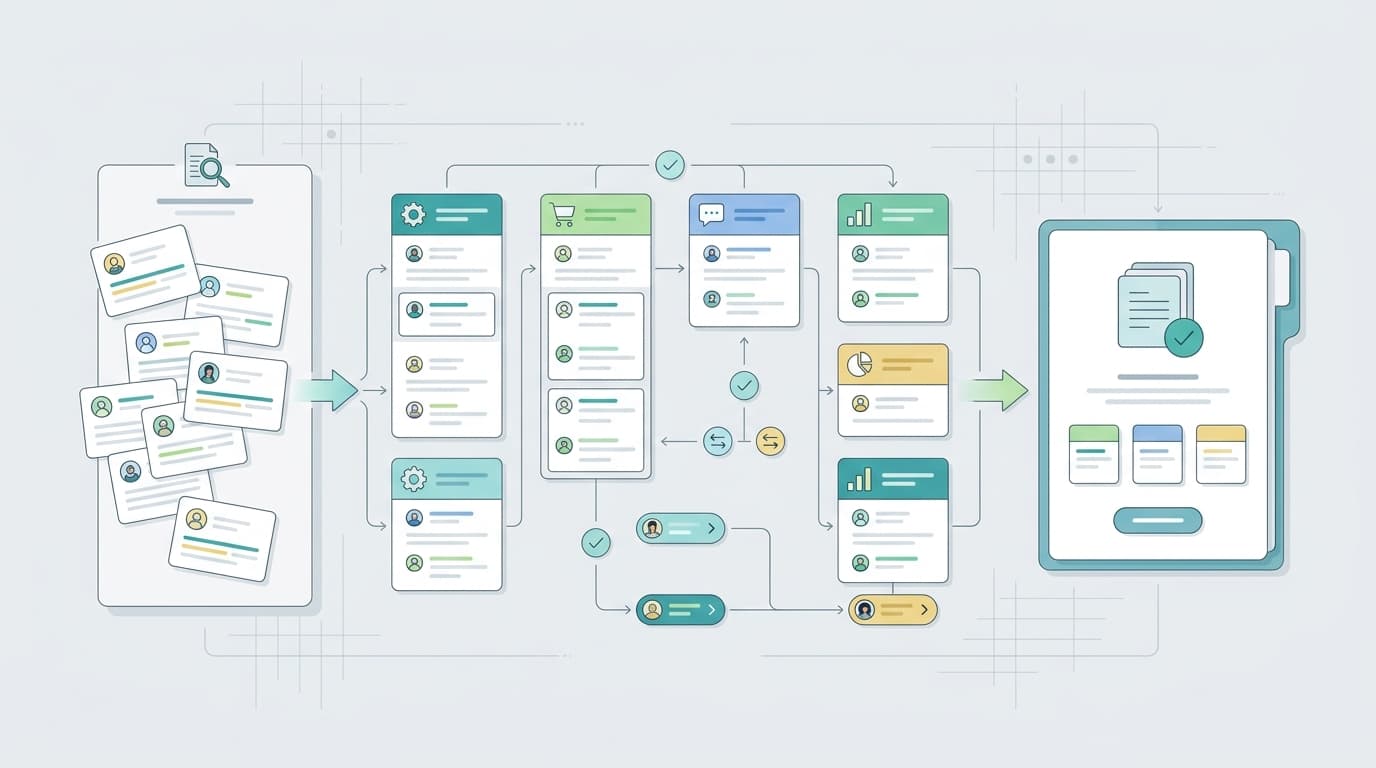
By analyzing the complete text of customer reviews, VOC.AI preserves crucial context and reveals the motivations driving customer opinions. Sellers can automatically categorize and analyze reviews based on product features, usability, and customer service, gaining a comprehensive understanding of product performance. This empowers Amazon sellers to make data-driven decisions, proactively address negative feedback, and foster customer loyalty.
Key Features of VOC.AI
- Full-Text Semantic Analysis: Processes the entire review, not just keywords, for context-rich insights.
- Emotion, Cause, and Scenario Breakdown: Identifies why customers are dissatisfied and in which scenarios issues occur.
- Cross-ASIN & Competitor Comparison: Analyzes reviews across multiple products to uncover industry-wide issues and differentiation opportunities.
- Actionable Insights: Transforms large-scale, unstructured feedback into strategies for product improvement, listing optimization, and brand messaging.
ReviewMeta: Legacy of Review Trustworthiness Assessment
ReviewMeta was a widely used tool designed to combat fake and manipulated reviews on Amazon. Its core function was to analyze product reviews, identify potentially fraudulent activity, and provide users with a trustworthiness rating. The platform employed algorithms to scrutinize reviewer history, review patterns, and language, flagging suspicious reviews and helping consumers gauge the reliability of product ratings.
For example, a product with a high ReviewMeta score indicated a higher likelihood of genuine reviews, while a low score suggested possible manipulation. However, ReviewMeta’s analysis was primarily statistical, focusing on patterns rather than deep semantic understanding. With its discontinuation, sellers and shoppers alike face new challenges in maintaining review integrity and extracting meaningful insights from customer feedback.
VOC.AI vs ReviewMeta: Feature-by-Feature Comparison
Analysis Input and Depth
Dimension | VOC.AI | ReviewMeta |
Product Focus | Dedicated review analysis | Review trustworthiness assessment |
Analysis Input | Full review text | Keywords, reviewer patterns |
Analysis Depth | Semantic-level (context, emotion, cause) | Statistical-level (pattern recognition) |
Review Volume | Large-scale, bulk processing | Small to medium datasets |
Output | Directly actionable insights | Reference-level trust signals |
While ReviewMeta focused on identifying suspicious reviews through statistical analysis, VOC.AI leverages advanced natural language processing (NLP) to delve into the context of reviews. This enables VOC.AI to differentiate between nuanced feedback, such as a positive review mentioning a minor flaw versus a negative review highlighting a critical issue. The result is more accurate, actionable insights for sellers.
Preserving Context: Full-Text vs. Keyword Analysis
VOC.AI’s methodology is grounded in analyzing the complete text of customer reviews. This preserves context and uncovers subtle feedback that keyword-based analysis often misses. For instance, a review mentioning “slow shipping” might be flagged as negative by keyword tools, but the full text could reveal overall satisfaction with the product, mitigating the impact of shipping delays. VOC.AI captures these complexities, providing a more accurate understanding of customer sentiment and expectations.
Semantic-Level Grouping vs. Statistical Frequency
Unlike statistical approaches that rely on keyword frequency, VOC.AI groups diverse expressions under unified customer needs or issues. This semantic-level analysis reveals the root causes of dissatisfaction and highlights actionable solutions. For example, while statistical tools might flag “slow shipping” as a frequent complaint, VOC.AI could identify the underlying cause—such as inefficient warehouse operations—enabling targeted improvements.
Scalability: Handling Large Volumes of Reviews
VOC.AI is designed for products with substantial review volumes, making it ideal for established Amazon sellers. It efficiently processes thousands of reviews, converting unstructured feedback into actionable insights. This contrasts with tools like ReviewMeta, which may struggle with large datasets and provide only a partial view of customer sentiment. VOC.AI’s scalability ensures comprehensive analysis, uncovering recurring themes and hidden opportunities for product enhancement.
Actionable Insights vs. Reference-Level Signals
VOC.AI delivers insights that are immediately useful for product development, marketing, and customer service. Its output supports product iteration, listing optimization, value proposition refinement, and brand perception calibration. For example, VOC.AI can identify specific product features needing improvement, enabling targeted updates that drive customer satisfaction and sales. In contrast, ReviewMeta’s output was limited to trustworthiness ratings, offering less actionable intelligence.
Strengths and Limitations: VOC.AI and ReviewMeta
VOC.AI: Advantages and Considerations
- Strengths: Robust semantic analysis, large-scale processing, directly actionable insights, deep understanding of customer sentiment.
- Considerations: May require an initial learning curve for new users to fully leverage advanced features.
ReviewMeta: Legacy Benefits and Drawbacks
- Strengths: Quick assessment of review trustworthiness, rapid overview of potential manipulation.
- Drawbacks: Limited analysis depth, less actionable output, no longer operational as of 2026.
Who Should Use VOC.AI?
VOC.AI is best suited for Amazon sellers with established products and a significant volume of reviews. It is ideal for those committed to long-term product improvement, brand differentiation, and building customer-centric businesses. VOC.AI excels at identifying product defects, uncovering unmet customer expectations, and optimizing product listings. Its semantic analysis capabilities translate into actionable strategies for product iteration, value proposition refinement, and enhanced customer support.
For example, by analyzing reviews, VOC.AI might reveal a recurring issue with packaging, prompting a redesign that reduces negative feedback and boosts sales. This focus on actionable insights makes VOC.AI an invaluable asset for sellers aiming to build differentiated, brand-oriented businesses on Amazon.
Pricing Comparison: VOC.AI vs. ReviewMeta
VOC.AI offers flexible pricing plans tailored to various business needs, primarily based on the number of ASINs analyzed and the volume of reviews processed. This tiered approach ensures accessibility for both startups and large enterprises. While ReviewMeta’s pricing details are no longer relevant due to its discontinuation, VOC.AI’s cost-effectiveness is evident when considering its comprehensive features and the actionable insights it delivers.
Understanding the pricing model is crucial for assessing return on investment. VOC.AI’s pricing reflects the value of its advanced features, including sentiment analysis, trend identification, and competitor benchmarking. The long-term benefits—such as improved product development, enhanced customer satisfaction, and increased sales—underscore the value of investing in VOC.AI for Amazon review analysis in 2026.
Conclusion: Why VOC.AI Is the Leading Choice for Amazon Review Analysis in 2026
With ReviewMeta no longer available, Amazon sellers seeking robust review analysis have a clear frontrunner in VOC.AI. Its sophisticated semantic analysis capabilities enable a deeper understanding of customer sentiment, moving beyond surface-level feedback. VOC.AI’s ability to process large volumes of reviews and deliver directly actionable insights empowers sellers to make data-driven decisions that enhance product development, optimize listings, and refine brand messaging.
For sellers prioritizing long-term growth, brand differentiation, and a customer-centric approach, VOC.AI stands out as the superior solution. By transforming customer feedback into tangible improvements, VOC.AI supports the creation of stronger brands and more successful products on Amazon. Ready to unlock the full potential of your Amazon reviews? Explore VOC.AI and turn customer insights into competitive advantage in 2026.