Have you dreamed of opening an Amazon store but been put off by the dangers and expenses? Purchasing inventory, selecting the incorrect products, or breaking an unknown rule are among the many concerns people have. When you feel like you're losing out on a great chance, this uncertainty might stop you.
Without having to handle things yourself, Amazon dropshipping provides a low-risk method of selling to millions of people. The opportunity is massive. Grand View Research projects a 23.4% yearly growth rate for the dropshipping market. Aspiring entrepreneurs can also benefit from the reality that third-party sellers make up over 60% of all Amazon sales, according to Statista data.
We'll walk you through each step that is necessary to achieve success. You may build your firm by identifying successful items and selecting reliable Amazon dropshipping suppliers. Together, we can make your business idea a reality.
What is Amazon Dropshipping?
Dropshipping on Amazon is a way to sell products without holding inventory. Consider yourself an intermediary, when a consumer orders from your store, a third-party supplier purchases the goods. Then, that supplier ships the product directly to the customer for you.
The difference between what the consumer paid and what you paid the supplier is your profit. This popular model removes the need for a warehouse and big upfront investments.
Is Amazon Dropshipping Legal?
Amazon allows dropshipping, but you have to abide by its restrictions. Because they are unaware of these crucial restrictions, many new sellers face problems and risk canceling their accounts. So, it's critical to learn them first.
The main rule is that you must always be the "seller of record." Customers should always feel like they are purchasing the item from you rather than a third-party supplier.
To stay safe, you must:
One important rule is that you can't order from another online retailer, like Walmart, and have your customer receive the merchandise. Amazon strictly prohibits this.
Amazon FBA vs. Dropshipping
Dropshipping and Fulfillment by Amazon (FBA) are two prominent models that many new sellers are confused by. Although they both entail selling on the platform, they differ greatly. Selecting the ideal model for your company requires an understanding of how they operate:
Feature | Amazon Dropshipping | Amazon FBA (Fulfillment by Amazon) |
Inventory Management | No inventory held. You buy from a supplier after a sale. | You buy inventory in bulk and send it to Amazon's warehouses. |
Startup Costs | Very low. Main costs are the Amazon seller fee and marketing. | High. Requires significant investment in bulk inventory. |
Shipping & Fulfillment | Your supplier is responsible for packing and shipping. | Amazon handles all packing, shipping, and customer service. |
Control Over Branding | More control. You can work with suppliers for custom packaging. | Less control. All packages are shipped in Amazon-branded boxes. |
Profit Margins | Generally lower per sale due to buying single items. | Potentially higher per sale due to bulk purchasing discounts. |
Product Eligibility | Not eligible for Amazon Prime shipping benefits. | Products are eligible for Prime free two-day shipping. |
Time Commitment | More time is spent on order processing and customer service. | Less time on logistics, more time on marketing and inventory planning. |
Amazon FBA vs. Dropshipping ultimately decides between cost and ease of use. Dropshipping is great for beginners with low starting cash. In contrast, FBA is better for scaling a business with a proven product.
What is Amazon FBM Dropshipping?
You may also be familiar with Amazon FBM, which stands for "Fulfillment by Merchant." This implies that the seller oversees every step of the shipping procedure, from product storage to order packaging.
Amazon dropshipping is a specific type of FBM. The main difference is who physically handles the product:
From Amazon's perspective, both are FBM because its warehouses aren't involved.
While not all FBM sellers are dropshippers, all Amazon dropshippers employ the FBM model. Comprehending these fulfillment options, FBA vs. FBM, is essential to establishing your organization properly.
How Does Amazon Dropshipping Work?
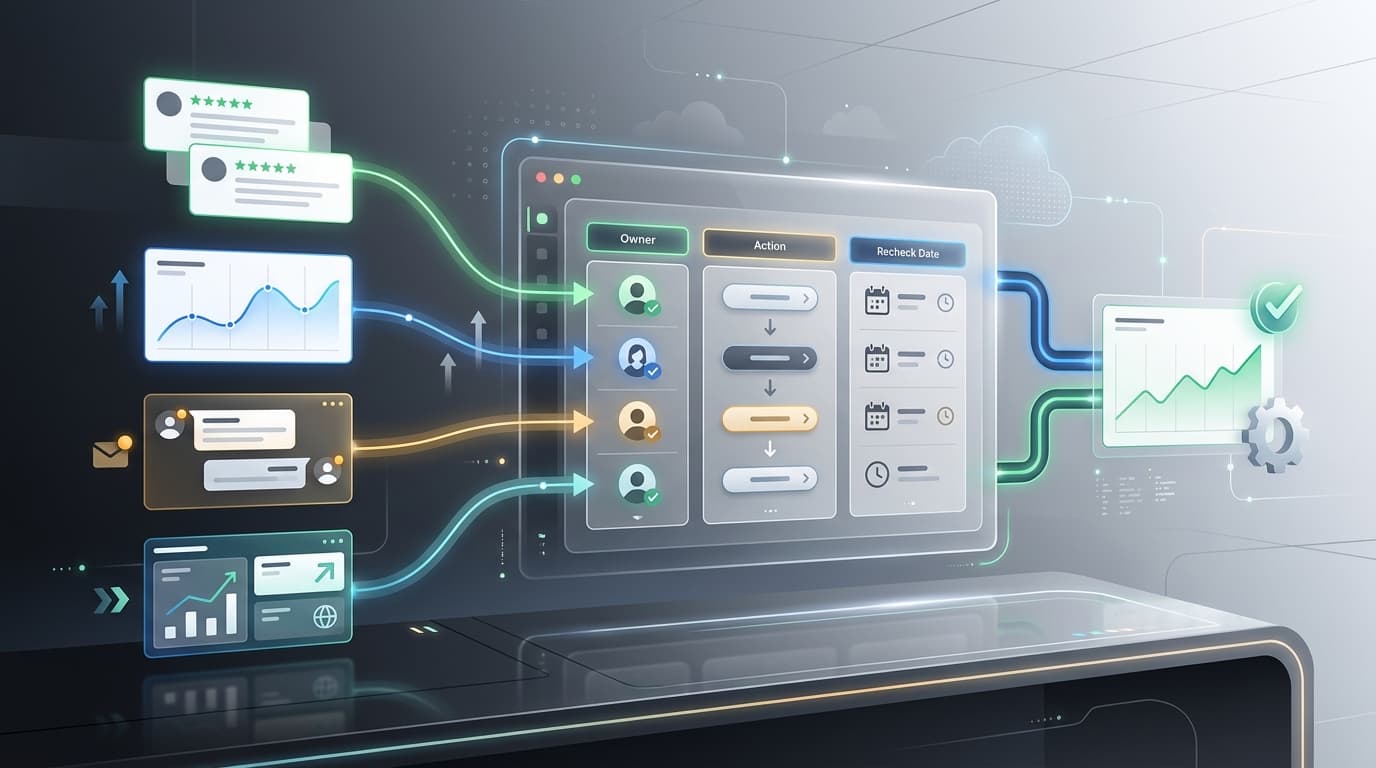
Running an Amazon dropshipping business is really simple. It follows a predictable cycle once you're set up from the beginning to the end. You can more clearly define your responsibilities if you comprehend each phase.
This is a basic explanation of how it operates:
What are Amazon's Dropshipping Policies?
The most critical aspect of dropshipping is adhering to Amazon's rules. You risk having your account suspended if you ignore them. Customer satisfaction is Amazon's main focus. The Amazon Dropshipping Policy guarantees that customers receive their orders on schedule and know who they purchase from.
You must abide by these important rules to dropship on Amazon properly:
You must work with suppliers who agree to these rules. Products must be shipped in plain boxes or with your logo to provide a flawless client experience.
How to Start Dropshipping on Amazon: A Full Amazon Dropshipping Guide
All set to launch your company? A clear plan helps you build your Amazon store correctly and avoid mistakes. This tutorial makes the entire process simple.
Step 1: Identify Your Niche and Products
To succeed, choose the right products. Don't try to sell a little of everything; concentrate on one "niche." This makes it easier to locate clients who are interested in your products.
Step 2: Locate a Trustworthy Dropshipping Vendor
Your supplier is your most important partner since they ship to customers. A bad one will cause major problems and hurt your store's reputation.
Step 3: Create an Amazon Seller Account
You must have an official seller account to sell on Amazon. This is your command center for your entire business.
Step 4: List Your Products on Amazon
After Amazon approves your account, it's time to add your products so buyers can locate them.
Step 5: Handle and Complete Purchases
When sales start coming in, you need a system that works well.
Step 6: Give Customer Service Priority
Offering outstanding customer service is a requirement on Amazon.
Your online store can have a strong foundation if you follow these Amazon dropshipping policies.
How to Make Money Dropshipping on Amazon
Is dropshipping worth it? The first step is to set up your Amazon shop. Real success and financial gain require a carefully considered approach. Listing products is only one aspect; another is using data to make informed decisions to help you stand out and expand your business.
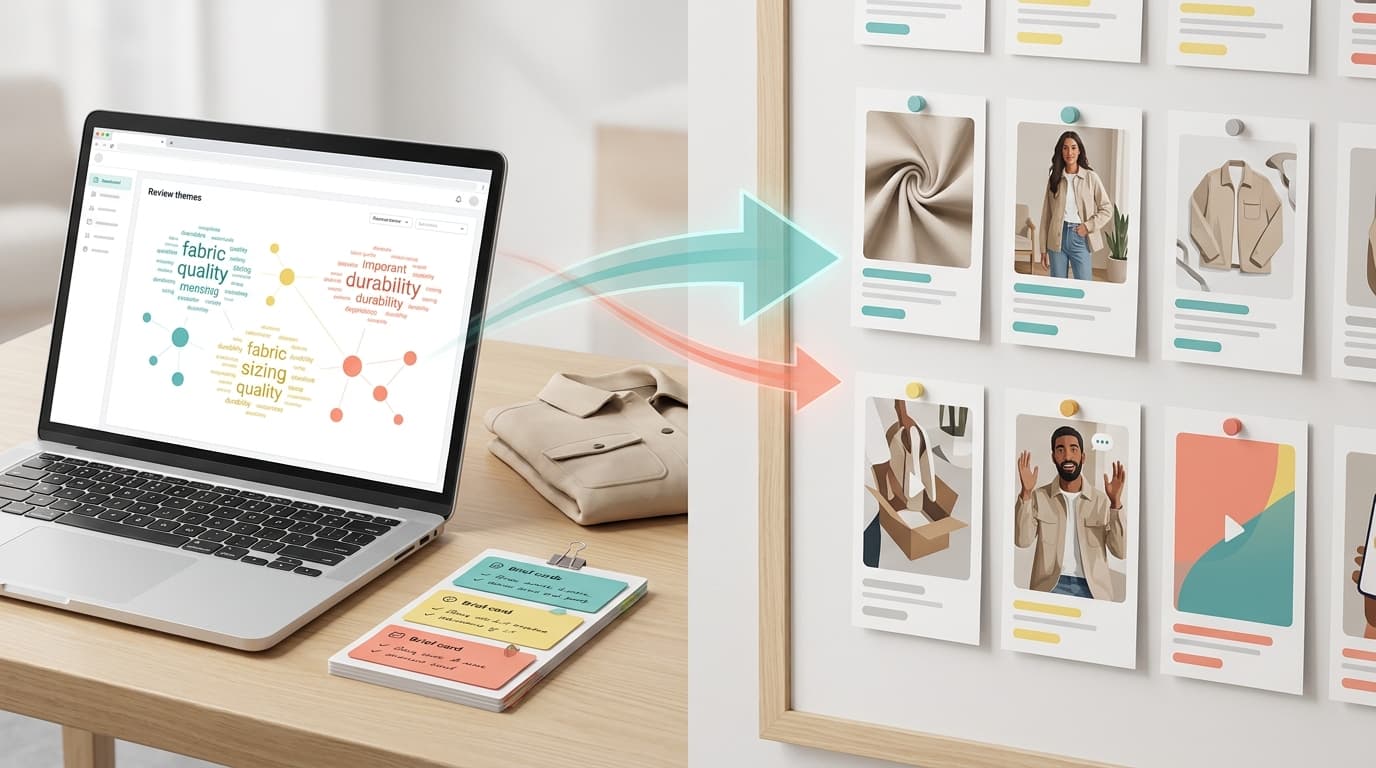
The most important part of this plan is choosing the right products. You need to find items that customers are already looking for. The best way to do this is by listening to the "voice of the customer." Customer reviews on Amazon are a goldmine of information. They tell you exactly what people love, hate, and wish a product had. The only problem is that reading through thousands of reviews is nearly impossible.
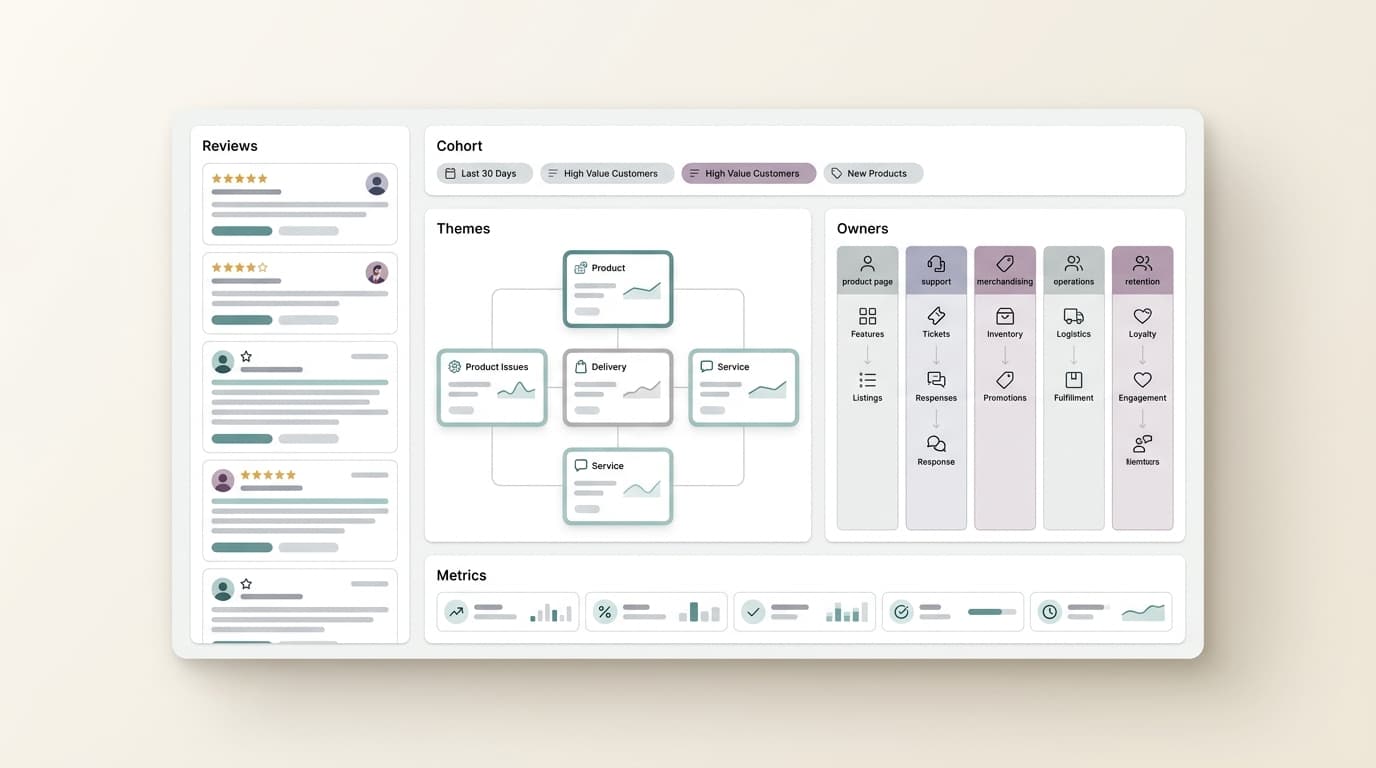
This is where you can get a huge advantage over other sellers. Instead of guessing what to sell, you can use data. A tool like VOC.AI's Amazon Review Analysis Tool is perfect for this. It uses artificial intelligence to read thousands of reviews in just seconds. It can find common complaints and suggestions that you can use.
For example, the tool might show you that a popular camera bag always gets bad reviews for its weak zippers. You can find a supplier with a similar bag with strong, durable zippers using this information.
The term "durable zippers" can be used in your product's title and description. This helps you solve a customer's problem directly, which boosts sales.
In addition to selecting the appropriate items, the following are important legal dropshipping strategies:
The key to Amazon's success is having a strong system. The key is finding excellent products, effectively selling them, and maintaining satisfied customers.
FAQs about Amazon Dropshipping
Q1: Is it possible to dropship on Amazon?
Yes, dropshipping is permitted on Amazon. Although it's a valid business concept, you must follow their stringent rules. This simply means you must be the official seller documentally. Customers cannot receive packages from your provider with any branding on them.
Q2: How much does it cost to start Amazon dropshipping?
It usually costs between USD200 and USD500 to set up. This budget pays for your monthly Amazon seller account and supplier lists. It also includes placing an order for a few samples to ensure your goods are of high quality before distributing them to clients.
Q3: Is dropshipping on Amazon still profitable?
Yes, dropshipping on Amazon has the potential to be quite lucrative. But the market is overcrowded. Finding a niche with less competition and Profitable Products for Dropshipping is essential for success. Maintaining a strong seller account requires offering top-notch customer care. Getting rich quickly is not the goal of this business.
Q4: Is USD100 enough for dropshipping?
Using just USD100 to launch your Amazon business is a dangerous move. For instance, the monthly seller fee alone eats up nearly USD40. This leaves you with very little cash for actual products. Therefore, having at least USD300 is a much safer bet for launching your business successfully.