Most Amazon brands think they’re customer-centric. They read product reviews, monitor return reasons, and maybe even run sentiment analyses using a tool like VOC.AI. Yet, despite gathering all this feedback, nothing really changes – and profits stagnate.
We’ve seen it time and again in audits of multi-million dollar brands on Amazon: the fastest-growing brands don’t just listen to customers; they act. If you’re only listening, you’ve fallen into what we call the “VOC Trap.”
The “VOC Trap”: Listening Without Action Is Draining Your Profit
Simply collecting Voice-of-Customer data without implementing changes is a recipe for lost margin. Here’s how the trap unfolds: You accumulate a mountain of feedback – star ratings, lengthy rants, subtle suggestions. Your team nods in meetings, maybe screenshots a few egregious 2-star reviews for a presentation. And then… nothing happens.
No listing improvements. No product tweaks. No process fixes. And most importantly, no increase in profit.
Information alone has no ROI. You don’t get paid to know what’s wrong; you get paid to fix it – fast.
Failing to act quickly on known issues is like holding a treasure map and never digging for the gold. Every review you ignore, every return reason left unaddressed – that’s a profit leak you’re allowing to continue unchecked.
So how do smart Amazon sellers escape the VOC Trap? By turning voice-of-customer insights into systematic action.
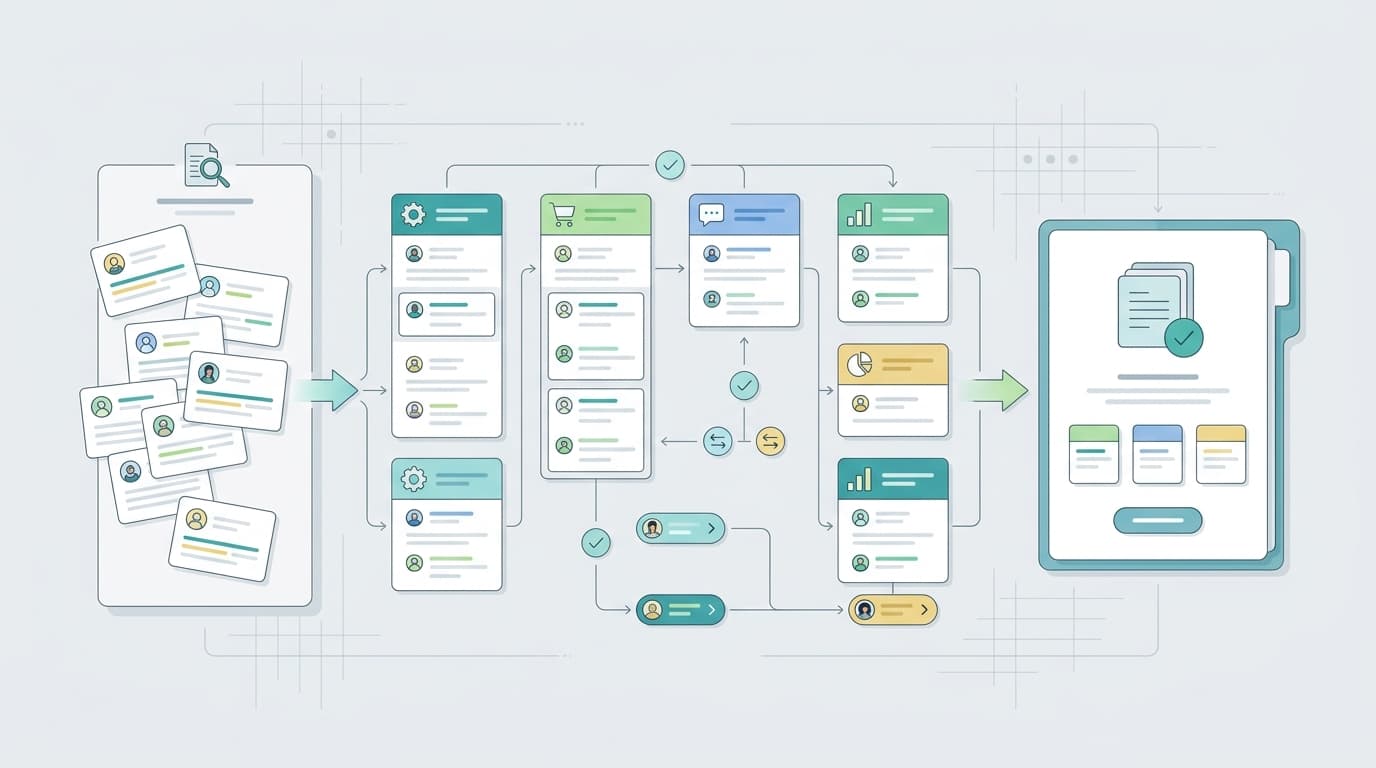
Below, we’ll outline a four-part playbook: Listen, Prioritize, Implement, and Track. This approach will help you not only hear your customers but also leverage their feedback into higher conversions, lower costs, and healthier profit margins.
Listen: Use VOC.AI to Hear the Signal in the Noise
First, give credit where it’s due – listening is important. You can’t fix what you’re blind to.
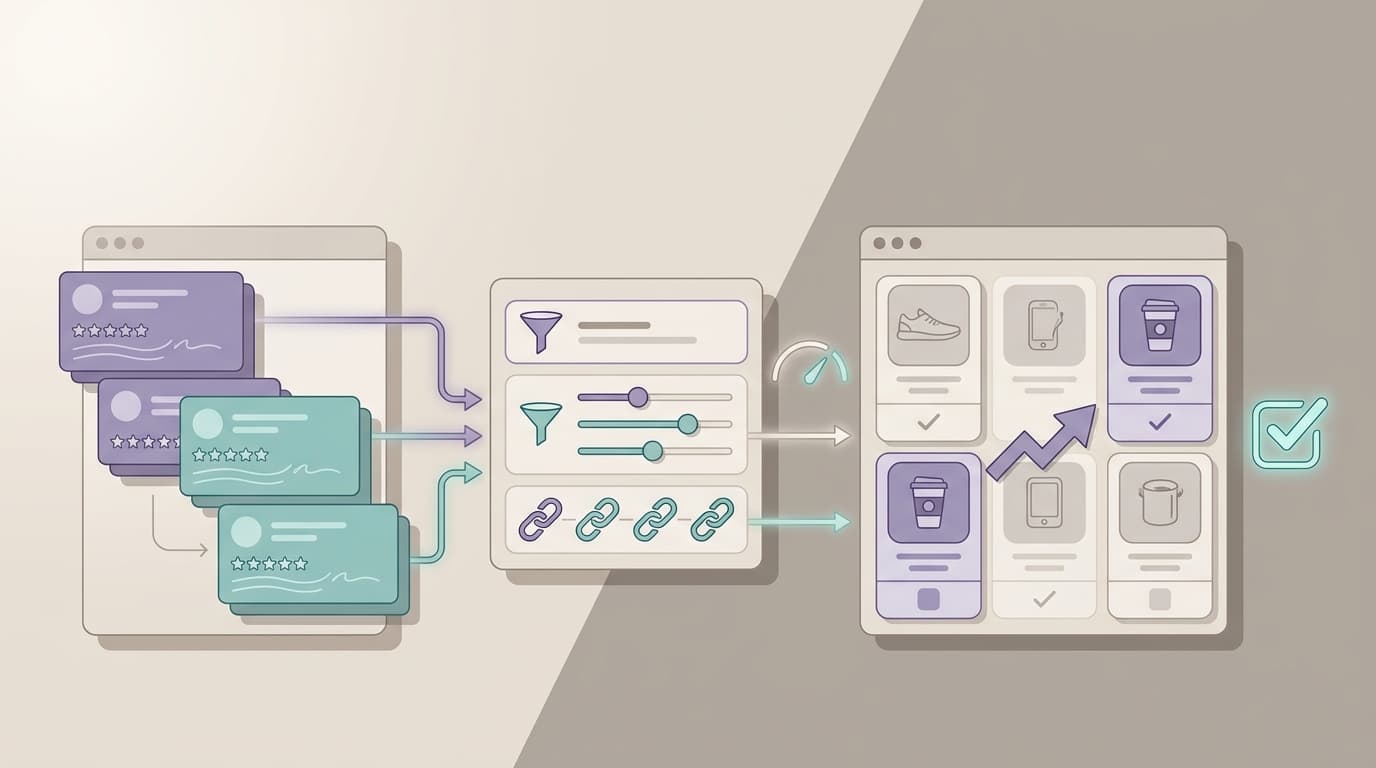
Tools like VOC.AI are invaluable at this stage, because they turn an overwhelming flood of customer comments into organized, actionable insights. VOC.AI’s AI-driven clustering can quickly group reviews by theme (e.g. quality, sizing, shipping experience) and gauge overall sentiment.
Instead of reading 1,000 reviews manually, you get clear dashboards of what customers are happy or upset about.
However, remember that information ≠ implementation. Listening is only the first step. The key is to extract the right insights.
Not every piece of feedback deserves equal weight. A single all-caps 1-star rant might grab your attention, but one dramatic outlier could be less financially harmful than a quiet pattern of 3-star comments that consistently mention a specific issue.
Use VOC.AI to surface recurring themes and common customer pain points. This is the “signal” buried in the noise – the real-world issues silently draining your conversions and margins.
Action item: Make “listening” efficient. Set up a weekly or bi-weekly VOC.AI report for your products. By automating the heavy lifting of review analysis, you ensure no critical theme slips through the cracks. But once those insights come in, be ready to move to the next step: prioritization.
Prioritize: Find the Profit Leaks Hiding in Plain Sight
Not all feedback is created equal. The smartest sellers focus on high-impact issues – the complaints that point to friction in the buying process or costly problems in fulfillment and quality control. In other words, identify the feedback that hurts your margin the most.
We specialize in helping Amazon brands spot these margin killers hiding in plain sight. Here are three common categories of issues to prioritize from your VOC data:
Revenue Leaks
Feedback signaling a mismatch between customer expectations and your listing. For example, multiple reviews saying “item didn’t match the photos” is a trust killer that can tank your conversion rate. Shoppers who don’t trust your description or images won’t click Add to Cart.
Trust issues = fewer sales.
Return Triggers
Complaints about product quality or fit that lead to returns. Think reviews saying “too short for me” or “product felt flimsy, broke after a week.” These indicate preventable churn. Every return isn’t just a lost sale; it’s also sunk ad spend and operational costs that eat into your profit.
If a pattern of “too small” feedback emerges, it likely means your sizing info is unclear or your product runs small – and you’re silently refunding orders that can easily be hedged against.
Fulfillment Fails
If you use Amazon Fulfillment and these show up in your reviews or seller feedback, they are much easier to have removed since they are due to Amazon, not the seller.
If you’re seller fulfilling, then reviews like “arrived late”, “box was damaged”, or “received the wrong item.” These point to backend operational issues – maybe a 3PL problem, packaging that doesn’t protect the item, or listing errors causing mix-ups.
Fulfillment complaints are especially urgent because they impact your seller metrics and future sales.
Use VOC.AI’s clustering and filters to pinpoint which of these themes comes up most often for your product line. Quantify how frequently each occurs, and prioritize by frequency and impact on margin.
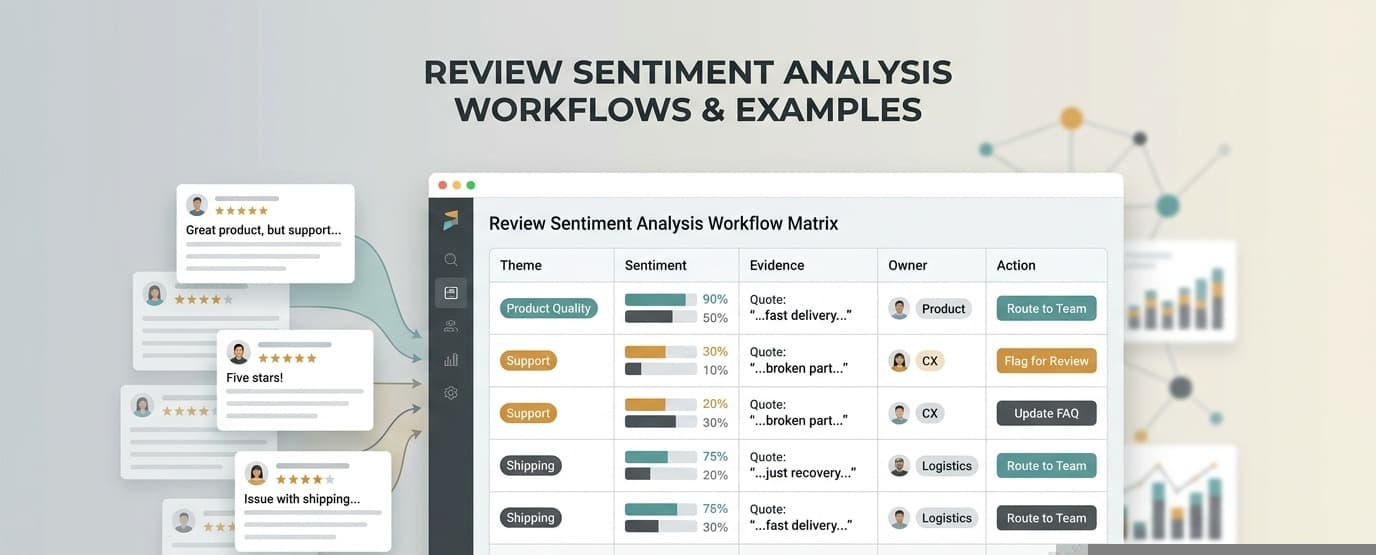
Action item: Create a simple VOC Triage Board. List your top 3–5 recurring feedback themes from most damaging to least. Identify which team or department owns each. This turns amorphous feedback into a clear action plan.
Implement: Act Fast (Speed Beats Perfection)
Here’s a core insight from working with 7-figure Amazon sellers: speed beats certainty.
The brands that win are those that execute fixes quickly once they spot an issue, even if all the data isn’t perfect. By contrast, struggling sellers often overanalyze and delay – letting weeks or months pass as problems (and profit leaks) continue.
Real-world examples:
“Customers say it’s too small.” Add a visual size chart or comparison image to your listing. Clarify dimensions in the first bullet point. Don’t wait for a full product redesign – fix the perception first.
BONUS: keep the current offerings, label as “regular” and simply add a new one that is “tall”. This a key fit attribute for men’s suits and other categories can greatly benefit from applying to their selections of fit.
“Packaging keeps ripping.” Email your supplier or fulfillment center about using sturdier packaging. Update your packaging details on the listing to assure buyers improvements are made.
“Not what I expected.” This often points to overpromising and likely needs a deeper dive to understand where the misses occur. Counteract the complaint in your listing copy immediately.
The goal of fast implementation is to put out small fires before they become wildfires. Fast fixes compound into massive margin lifts. Conversely, waiting for a “perfect” solution means you continue losing sales and incurring avoidable costs.
Pro tip: Build a “feedback-to-fix” sprint routine. Treat one complaint per week like a mini project. Iterate fast, then move on.
Track: Tie Customer Feedback to Financial Outcomes
Listening and fixing have little value if you aren’t measuring the results.
After implementing a change, track the metrics that actually matter: those linked to profit and growth.
Key metrics:
Return Rate: Did size-related returns drop?
Conversion Rate: Did the new listing copy increase purchases?
Profit per Unit: Did fewer defects or returns boost margins?
Customer Lifetime Value: Are happy customers returning?
Pro tip: Tie these metrics back to dollars. Estimate how much revenue/profit was saved from even a 2% drop in returns or a 3% conversion boost. That turns feedback into quantifiable business value — and gets buy-in from your team.
Make VOC a Habit: Build a Repeatable Feedback-to-Profit Engine
The final piece is consistency.
Weekly VOC scan → Triage → Fix → Track → Repeat.
You don’t need a VOC department to make this happen. You need rhythm, responsibility, and execution.
Over time, this engine will transform your organization — catching issues early, fixing them fast, and creating a compounding flywheel of profit and CX improvement.
Conclusion: Don’t Just Listen — Leverage Your VOC
Every piece of customer feedback you ignore is a piece of profit left on the table.
You’re sitting on a goldmine of actionable insight. VOC.AI gives you the ability to hear your customers clearly. Now it’s on you to act on what you hear.
Don’t have the bandwidth to manage this on your own? You can also try VOC Gap Analysis to uncover your top margin killers across listings, ops, and CX. No fluff. No pitch. Just clarity.